

Japanese Souvenirs That Are Not Halal: 2026 Muslim Guide
Quick Answer: Most of Japan's best-known souvenir snacks are not halal-certified. Tokyo Banana's cream contains gelatin and Western liquor (洋酒). Shiroi Koibito uses shortening that is partly beef-derived. Nestlé Japan states that KitKat made and sold in Japan is not halal-certified, and the sake and plum wine flavors contain alcohol. Most Royce' Nama Chocolate flavors contain liquor, but a few list no alcohol. Below, we explain each item's issue and how to read Japanese ingredient labels.
✅ Written and halal-verified by Zeshan Hayat
CMO & Head Halal Auditor, Halal Navi
Published May 13, 2026 · Last verified October 2, 2026
Each product status was re-checked in October 2026 against the manufacturer's own ingredient list or FAQ on its official Japanese website.
How we verified each souvenir's halal status
Souvenir shopping is one of the most common Muslim-traveler pain points in Japan. Airport souvenir shelves are dense, the boxes are beautiful, and almost none of the packaging shows halal information in English. So we built this guide around primary sources, not assumptions.
For each product below we checked four things:
- The manufacturer's official ingredient list on its Japanese-language corporate site. Japan's food labeling rules (Consumer Affairs Agency) require an ingredient list, but some additives may be listed by a group name such as 乳化剤 (emulsifier) or 香料 (flavoring), and processing aids and carry-over additives can be left off the label. So the label does not always show where an ingredient comes from.
- The manufacturer's allergen disclosure, which is separate from the ingredient list and often discloses milk, egg, gelatin and wheat at a more granular level.
- The manufacturer's own statement on halal certification, where one exists (for example, an official FAQ).
- A direct check of any product the manufacturer markets as "alcohol-free" or "halal-friendly", since these claims sometimes apply only to specific variants within a product line.
If a product changes its formula after publication, please contact our editorial team so we can update the entry. We re-verify this guide every quarter.
Why so many Japanese souvenir snacks are not halal
Three ingredients account for almost every "not halal" verdict on Japanese confectionery:
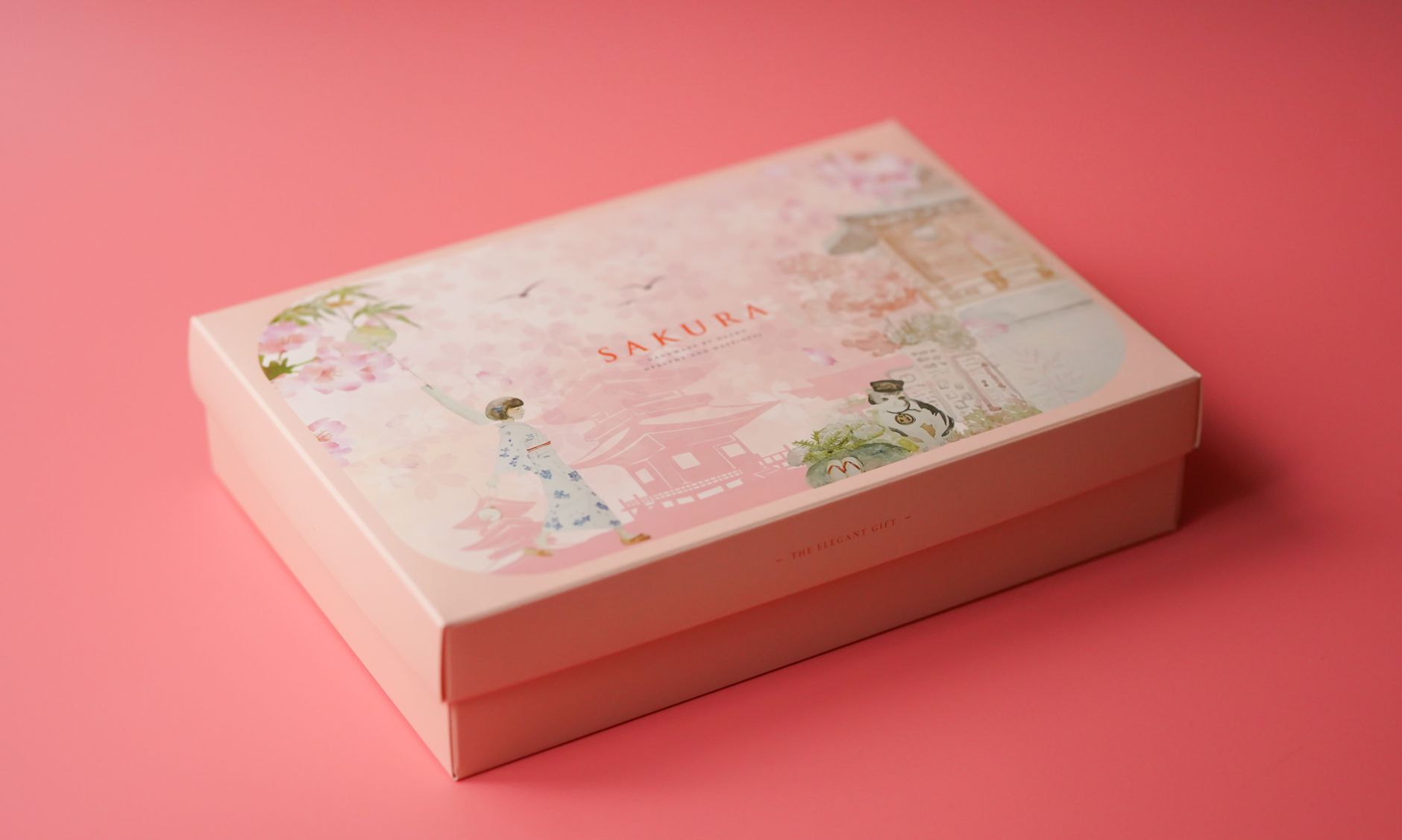
1. Yōshu (洋酒, "Western liquor"): brandy, rum, or liqueur added for aroma. This is extremely common in chocolate products, baked goods, and cream fillings. Even when the alcohol cooks off, the source ingredient is still impermissible by most Islamic dietary rulings.
2. Gelatin (ゼラチン): gelatin can be made from pigs or cattle, and Japanese labels usually do not say which. Beef gelatin is not halal either unless it is halal-certified. Common in cream and mousse-style fillings and jelly desserts.
3. Shortening (ショートニング) and emulsifiers (乳化剤): these can be plant or animal-derived. Some makers state the source (for example, Nestlé Japan labels KitKat's emulsifier as 乳化剤(大豆由来), "soy-derived"), but many labels do not. Without a manufacturer disclosure, the conservative choice is to treat the product as unconfirmed.
Knowing these three triggers will let you read most Japanese souvenir labels in under thirty seconds, even without fluent Japanese.
1. Tokyo Banana: ❌ Not halal
Halal status: ❌ Not halal
Why: Contains gelatin and yōshu (Western liquor)
Last verified: October 2, 2026
Tokyo Banana, the cream-filled banana sponge cake, is one of Tokyo's best-known souvenirs. It is sold at Tokyo Station and Haneda Airport, among other places. It is also, unfortunately, not halal.
According to the official Tokyo Banana ingredient list, the banana cream in the original Tokyo Banana "Miitsuketa" contains both gelatin (ゼラチン) and yōshu (洋酒). Many other items in the Tokyo Banana line also list gelatin, and some, such as the Raisin Sandwich, list yōshu.
The label does not say whether the gelatin comes from pigs or cattle, and it is not halal-certified. For Muslim travelers, both the gelatin and the liquor rule Tokyo Banana out.
What to do if you've been gifted one: It is permissible to politely decline or pass it on. We found no halal-certified version of Tokyo Banana on the manufacturer's website as of October 2026.
2. Shiroi Koibito: ❌ Not halal
Halal status: ❌ Not halal
Why: Contains shortening that is partly beef-derived
Last verified: October 2, 2026
Shiroi Koibito (白い恋人), the white-chocolate langue de chat biscuit from Hokkaido, is one of Japan's best-known souvenirs. According to Ishiya, it is sold at ISHIYA shops, airport shops and souvenir shops in Hokkaido. It is also available from Ishiya's official online shop.
According to Ishiya's official FAQ, the shortening (ショートニング) in Shiroi Koibito is both plant- and animal-derived, and the animal part comes from cattle. Beef-derived fat is not halal unless it is halal-certified.
Ishiya's FAQ also states that none of its products are halal-certified (checked October 2026).

3. KitKat Japan, ❌ Not halal-certified (all flavors)
Halal status: ❌ Not halal-certified · No exceptions among KitKats made in Japan
Why: Nestlé Japan states that KitKat made and sold in Japan is not halal-certified; the sake and plum wine flavors also contain alcohol
Last verified: October 2, 2026
Japan is famous for its regional KitKat flavors, sold as souvenir gifts. Nestlé Japan's current souvenir range includes Uji matcha and Uji hojicha from Kyoto tea maker Itohkyuemon, wasabi from Tamaruya Honten of Shizuoka, Amaou strawberry, beni-imo sweet potato and more.
However, Nestlé Japan's official FAQ states that KitKat made by Nestlé Japan and sold in Japan is not halal-certified. Some flavors also contain alcohol: the sake flavor uses powdered sake (粉末酒) from Masuizumi, a Toyama brewery (0.5% alcohol used), and the plum wine flavor uses powdered umeshu (0.2%). In most souvenir flavors we checked, the emulsifier is labeled 乳化剤(大豆由来), "soy-derived".
This is different from KitKat sold in Malaysia. Nestlé Malaysia states that it only manufactures, imports and distributes products certified halal by JAKIM. That certification does not apply to KitKat produced in Japan.
A common misunderstanding: some travelers assume that because Nestlé is a global company, its KitKats must be halal everywhere. They are not. Halal certification covers specific products and factories, not the brand as a whole.
4. Royce' Nama Chocolate (⚠ Partial): most contain alcohol, a few alcohol-free variants exist
Halal status: ⚠ Muslim-friendly only for specific alcohol-free variants · ❌ Not halal for standard Nama Chocolate
Why: Most Nama Chocolate flavors contain Western liquor (洋酒) or whisky; a few list no alcohol, but we found no halal certification for any of them
Last verified: October 2, 2026
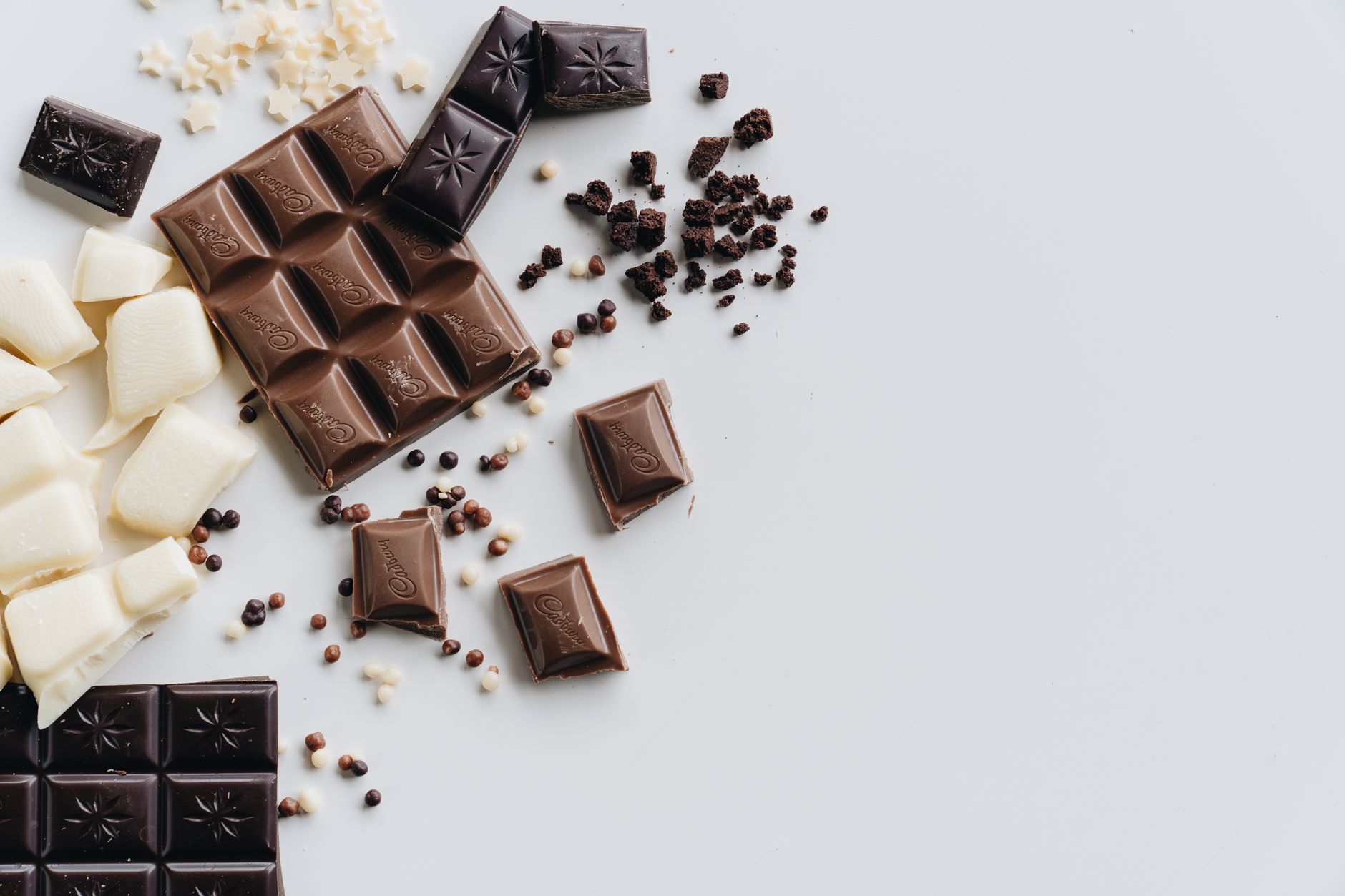
Royce' (ロイズ), the Hokkaido chocolate maker, is a frequent souvenir choice because the Nama Chocolate (生チョコレート) boxes are widely available at airports including New Chitose, Haneda, and Narita.
According to Royce's official ingredient list, Nama Chocolate Au Lait, White, Matcha and Champagne contain 洋酒 (Western liquor), and the Islay Whisky flavor contains whisky. These are not halal.
However, the same list shows no alcohol in a few flavors: Mild Milk, Mild White, Caramel Milk and Ghana Bitter. Royce's online shop marks such items "お酒不使用" (no alcohol used). They are still not halal-certified: the emulsifier (乳化剤) source is not stated, and Royce does not say whether they are made separately from its alcohol-containing chocolates. We treat them as Muslim-friendly at best, not confirmed halal.
How to identify the alcohol-free variants: Read the ingredient list (原材料名) on the box. If you see 洋酒, ブランデー, ウイスキー or any other liquor, the product contains alcohol. If you are unsure, skip it.
5. Other common souvenirs we are often asked about
| Souvenir | Halal status | Main issue |
|---|---|---|
| Tokyo Banana | ❌ Not halal | Gelatin + liquor |
| Shiroi Koibito | ❌ Not halal | Partly beef-derived shortening |
| KitKat Japan (all flavors) | ❌ Not halal-certified | Not halal-certified (Nestlé Japan FAQ); sake and plum wine flavors contain alcohol |
| Royce' Nama Chocolate (standard) | ❌ Not halal | Western liquor / whisky |
| Royce' Nama Chocolate (alcohol-free variants) | ⚠ Muslim-friendly only | Not certified; emulsifier source and production lines not stated |
| Yoku Moku Cigare | ❓ Unconfirmed | No shortening, liquor or gelatin listed; flavoring source not stated; no halal certification found |
| Hiyoko Manju | ❓ Unconfirmed | No shortening, liquor or gelatin listed; bean paste includes unspecified "other" ingredients |
| Kabuki Age senbei (rice crackers, plain soy sauce) | ❓ Unconfirmed | No mirin or fish listed, but contains soy sauce and a "seasoning extract" whose source is not fully stated |
| Calbee Jagariko / Jagabee | ❓ Unconfirmed | Calbee says its Japan-made products are not halal-certified; check seasoning for meat extracts |
| Sugar Butter Tree (Sugar Butter Sand Tree) | ❓ Unconfirmed | No liquor, gelatin or pork listed; source of the "refined processed fat" and flavoring not stated; no halal certification found |
For items marked ❓ Unconfirmed, the conservative practice is to skip them unless you can verify the ingredient list. You can also ask shop staff for the アレルゲン一覧 (arerugen ichiran, "allergen list").
📱 Find halal restaurants, prayer rooms and Muslim-friendly places across Japan with the free Halal Navi app.
Download on the App Store · Get it on Google Play
How to read a Japanese ingredient label in under 30 seconds
You do not need to read Japanese fluently to make a halal decision. Look for these words on the back of the package:
| Japanese | Romaji | Meaning | Action |
|---|---|---|---|
| 豚 | buta | Pork | ❌ Avoid |
| ゼラチン | zerachin | Gelatin | ❌ Avoid unless labeled fish gelatin or halal-certified |
| 洋酒 | yōshu | Western liquor | ❌ Avoid |
| 酒精 | shusei | Ethyl alcohol | ❌ Avoid |
| みりん | mirin | Sweet cooking sake | ❌ Avoid |
| ショートニング | shōtoningu | Shortening | ⚠ Source not disclosed, skip if uncertain |
| 乳化剤 | nyūkazai | Emulsifier | ⚠ Source not disclosed, skip if uncertain |
| ラード | rādo | Lard | ❌ Avoid |
A useful shortcut: if none of these words appear and the product is a simple ingredient like dried fruit, plain mochi without filling, plain roasted green tea, or single-origin sugar, the product is usually safe. When in doubt, choose simpler products.
For a more detailed list, see our guide to reading Japanese food labels as a Muslim traveler.
Halal-certified Japanese souvenirs you can buy instead
If you want to bring home Japanese food that is actually halal-certified rather than just Muslim-friendly, look for a halal logo that names the certifying body, then check that body's own published list. For example, the NPO Japan Halal Association publishes the companies and products it certifies. Do not rely on the word "halal" alone.
1. Plain Japanese tea
Plain green tea, matcha and hojicha leaves or powder contain only tea. They are lightweight, shelf-stable and uniquely Japanese. Tea-flavored sweets are different: check their labels.
2. Plain Japanese rice and nori seaweed
Both are inherently halal, are uniquely Japanese, and survive the trip home well. Choose plain, unseasoned nori.
To find halal grocery stores in Japan, see our list of halal grocery stores.
Frequently Asked Questions
Is Tokyo Banana halal?
No. According to the manufacturer's official ingredient list, the cream in the original Tokyo Banana contains both gelatin and yōshu (Western liquor). The label does not say whether the gelatin comes from pigs or cattle. We found no halal-certified version of Tokyo Banana on the manufacturer's website as of October 2026.
Are any KitKats in Japan halal?
No. Nestlé Japan's official FAQ states that KitKat made by Nestlé Japan and sold in Japan is not halal-certified. The sake and plum wine flavors also contain alcohol. Nestlé Malaysia states that its products are JAKIM-halal-certified, but that certification does not apply to KitKats made in Japan.
Is Shiroi Koibito halal?
No. According to manufacturer Ishiya's official FAQ, the shortening in Shiroi Koibito is partly beef-derived, and none of Ishiya's products are halal-certified (checked October 2026).
Can I eat the alcohol-free Royce' Nama Chocolate?
Some Royce' Nama Chocolate flavors, such as Mild Milk, list no alcohol in Royce's official ingredient list, and Royce's online shop marks them "お酒不使用" (no alcohol used). However, they are not halal-certified, the emulsifier source is not stated, and Royce does not say whether they are made separately from its alcohol-containing chocolates. We classify it as ⚠ Muslim-friendly only, not confirmed halal. The final decision is yours.
Is Sugar Butter Tree halal?
We found no halal certification for Sugar Butter Tree, a brand of Grapestone, the maker of Tokyo Banana. Grapestone's ingredient data for the standard Sugar Butter Sand Tree lists butter, a soy-derived emulsifier and "refined processed fat", marks liquor as not used, and its allergen list shows wheat, milk and soy, with no pork or gelatin. The data does not say whether the refined fat or the flavoring comes from plants or animals, so treat it as unconfirmed and check the box of the exact flavor before you buy (checked 20 October 2026).
How do I know if a Japanese snack contains pork or alcohol?
Look on the back of the package for these characters: 豚 (pork), ゼラチン (gelatin; the label usually does not say whether it is from pigs or cattle), 洋酒 (Western liquor), 酒精 (ethyl alcohol), 粉末酒 (powdered sake), 酒粕 (sake lees), みりん (sweet cooking sake), and ラード (lard). If any of these appear, the product is not halal. If you see ショートニング (shortening) or 乳化剤 (emulsifier) without a source declared, treat the product as unconfirmed and skip if uncertain.
Are there halal souvenir shops at Japanese airports?
We could not confirm current halal-certified souvenir ranges at Haneda, Narita or Kansai International from official sources. If you shop at an airport, look for a halal logo that names the certifying body and read the ingredient list. For a wider choice, see our list of halal grocery stores in Japan.
Is mochi halal?
Plain mochi made only from rice, water, and salt is halal. However, many filled or seasoned mochi products, daifuku, ichigo daifuku, kinako mochi, mochi-textured snacks like Mochi Ice, contain ingredients that may not be halal. Specifically, watch for gelatin in cream-filled variants, alcohol-based flavorings, and animal-derived shortening in factory-produced mochi snacks.
Are matcha sweets halal?
Matcha (powdered green tea) itself is inherently halal. However, matcha-flavored chocolates, cakes and pastries are not automatically halal: check the label for gelatin, liquor and animal fats, and look for halal certification. For example, the Uji matcha KitKat lists no alcohol, but Nestlé Japan states that its KitKats are not halal-certified. Plain matcha powder, plain matcha leaves, and matcha tea bags are safer souvenir choices.
What is the difference between "halal-certified" and "Muslim-friendly"?
Halal-certified means a recognized halal certification body, such as the Japan Halal Foundation, NPO Japan Halal Association, or JAKIM, has audited the product, ingredients, and facility, and issued a formal certificate. Muslim-friendly means the product contains no obviously haram ingredients, but the facility is not certified, so cross-contamination cannot be ruled out. For souvenirs gifted to other Muslims, halal-certified is the safer choice.
How current is this guide?
Every ingredient claim in this guide was re-checked against the manufacturer's own Japanese-language website or FAQ in October 2026. We re-verify this guide every quarter. If a manufacturer changes a formula between updates, please contact us and we will correct the entry within 7 days.
Verdict
Four of Japan's best-known souvenir snacks, Tokyo Banana, Shiroi Koibito, KitKat Japan, and Royce' Nama Chocolate, are all either not halal, not halal-certified, or only partially Muslim-friendly. This is not because Japan is hostile to halal food. It is because Japan's confectionery industry developed around emulsifiers, shortening, gelatin, and Western liquor long before halal certification became a meaningful export market.
The practical advice for 2026 is: skip the famous-name souvenirs unless the box clearly carries a halal certification logo, and instead choose products whose halal certifier you can check, or simple items such as plain Japanese tea, rice or unseasoned nori. These options are equally Japanese, equally giftable, and your Muslim family back home can eat them with full peace of mind.
If you remember one phrase before you shop: read the back of the box, not the front. The marketing on the front is in English. The truth is in the Japanese ingredient list on the back.
Sources & references
- Tokyo Banana official product page and ingredient list (Grapestone Co.), tokyobanana.jp/products/banana.html, checked 2 October 2026.
- Ishiya Co. (Shiroi Koibito manufacturer): ishiya.co.jp/inquiry, checked 2 October 2026.
- Nestlé Japan official FAQ on halal certification of KitKat, nestle-faq.dga.jp; KitKat souvenir product pages, nestle.jp, checked 2 October 2026.
- Nestlé Malaysia, Our Halal Promise, nestle.com.my/our-halal-promise, checked 2 October 2026.
- Royce' Confect official ingredient list, royce.com/brand/ingredients, checked 2 October 2026.
- NPO Japan Halal Association, list of certified companies, jhalal.com/halal-cert/halalco_list, checked 2 October 2026.
- Japan Consumer Affairs Agency, Food Labeling Act: caa.go.jp/en/policy/food_labeling, checked 2 October 2026.
- Yoku Moku ingredient list, yokumoku.co.jp/pages/materials; Hiyoko Honpo Yoshinodo official online shop, hiyoko-onlineshop.com; Amanoya Kabuki Age, e-amanoya.co.jp; Calbee FAQ on halal certification, faq.calbee.co.jp; all checked 2 October 2026.
- Sugar Butter Tree ingredient and allergen data (Grapestone Co.), sugarbuttertree.jp/sand.html, checked 20 October 2026.
About this article
Written and halal-verified by Zeshan Hayat, CMO & Head Halal Auditor, Halal Navi.
Reviewer: This article was reviewed by Halal Navi's Halal Verification Team, which cross-checks each ingredient claim against the manufacturer's own primary source before publication. See our editorial standards for the full review process.
Update policy: If you spot an outdated formula or a newly halal-certified product, please contact us and we will correct the entry within 7 days.
Disclosure: Halal Navi receives no payment from any restaurant or hotel in exchange for inclusion, and all recommendations reflect independent editorial judgment based on Muslim-friendly criteria. Some articles contain affiliate booking links (e.g. Trip.com); if you book through one, Halal Navi may earn a small commission at no extra cost to you.
Last verified: 2026-10-02
🛒 Once you know what is safe to buy, the next question is where. We list halal grocery stores and halal-friendly supermarkets across Japan.
Find halal groceries in Japan →


