Halal Ryokan in Kyoto (2026): Halal Meals, Prayer and Private Baths
Quick Answer: Only one ryokan within easy reach of Kyoto has a halal-certified meal we could confirm: Yuzanso at Ogoto Onsen on Lake Biwa, 20 minutes from Kyoto Station by JR. Book its halal meal at least five days ahead. Inside Kyoto, the Risshisha machiya inns lend prayer mats and qibla compasses and can arrange a halal-beef sukiyaki dinner delivered to your room. For every other ryokan, assume the inn does not serve halal food unless it says so in writing. Choose one where certified halal restaurants are a short walk away, and book a room-only plan.
Most ryokan in Kyoto are not halal and do not claim to be. The meal is the heart of a ryokan stay, and at a traditional inn that usually means a kaiseki dinner cooked with dashi, sake and mirin in a kitchen that also handles pork. None of the inns in this guide is officially halal-certified as a whole. What a few of them do offer is something more specific: a certified halal menu, prayer equipment in the room, or a private bath. What the rest offer is location.
So this guide sorts Kyoto's ryokan by what you can actually rely on. Where an inn says nothing about halal food on its own website, we treat that as "not provided" and tell you where to eat nearby instead.
Jump to: Certified halal meal · Prayer facilities · Halal food nearby · Private baths · FAQ
What should a Muslim traveller check before booking a ryokan?
Three things decide whether a ryokan works for you.
- Food. Does the inn serve a halal meal, and who certifies it? If the answer is no, book a room-only plan and plan where you will eat.
- Prayer. A tatami room is clean and quiet, so most travellers pray in their own room. What helps is a qibla compass, a prayer mat, and a place to make wudu with warm water.
- The bath. Ryokan baths are usually communal and entered without clothing. If that is a concern, look for a room with its own bath or an inn with private baths.
Which ryokan near Kyoto serves a halal-certified meal?
Yuzanso (Sato-yu Mukashibanashi Yuzanso) is a hot-spring ryokan at Ogoto Onsen, on the shore of Lake Biwa in Shiga Prefecture. It is not inside Kyoto city, but it is 20 minutes from Kyoto Station on the JR Kosei Line to Ogoto Onsen Station. The inn will meet you at the station if you phone ahead with your arrival time, and the drive takes about 5 minutes.
Yuzanso appears on the client list of the Kyoto Council for Sharia and Halal Affairs (checked 31 August 2026). The certification covers its Muslim-friendly menu, not the whole kitchen. According to the inn's Muslim-friendly menu page (checked 28 September 2026):
- Meat comes from halal-certified suppliers, and no pork or pork derivatives such as gelatine or shortening are used.
- Soy sauce, mirin and cooking sake are non-alcoholic halal versions.
- Knives, boards and pots are dedicated, and the food is prepared in a separate space by a dedicated cook.
- Dinner includes sashimi, a hot pot, halal beef steak and matcha warabi mochi. Breakfast includes halal beef, salmon, steamed chicken, rice and miso soup.
- Reserve at least 5 days ahead. The halal meal must be booked 5 days before your stay.
The inn's website also lists rooms with their own open-air bath. If you want the full ryokan experience, a certified dinner and breakfast in one place, this is the one we could confirm. Phone: +81-77-578-1144.

Which Kyoto ryokan have prayer facilities?
The Risshisha group runs eight small machiya (townhouse) inns in central Kyoto: SEN Omiya Gojo, SEN Shichijo Mibu, SEN Toji-Uomitsu, SHISEI-JUKU, MIBU-JUKU, SATOI Tessen, SATOI Seishi and SATOI Kosetsu.
According to the group's Muslim-friendly page (undated; checked 28 September 2026):
- Prayer clothes and a prayer mat are provided free at every property.
- SEN Omiya Gojo has a prayer space with the qibla marked on the ceiling. The other inns lend a qibla compass and ask you to pray wherever suits you in the house.
- Each bathroom has a shower and a hot-water tap you can use for wudu.
- A delivery restaurant called Hiroshi can bring a Kobe beef sukiyaki dinner to the house. The group says the beef is slaughtered at halal-certified facilities, and that dedicated utensils and tableware are used. It does not name the certifier.
To arrange the halal dinner, the group asks you to book a room-only or no-meals plan and then email info-rss@risshisha-group.com. Because the page carries no date, confirm by email that the dinner is still offered before you rely on it. Phone: +81-75-468-1417 (9am to 8pm Japan time).
Which ryokan have halal food within walking distance?
None of the four inns below mentions halal meals on its official website (all checked 28 September 2026). Treat them as ryokan for sleeping and bathing, and eat at the certified restaurants nearby. Walking times are estimates from straight-line distance.
Central Kyoto: Ryokan Hirashin
Hirashin is a ryokan a short walk from Nishiki Market, and it has the most halal food nearby of any ryokan we checked. Honolu Premier Kyoto Nishiki (halal ramen) is about 2 minutes away. Ayam-ya Karasuma, which is halal-certified, is about 6 minutes away. If you want to eat at the inn, ask it directly before you book.
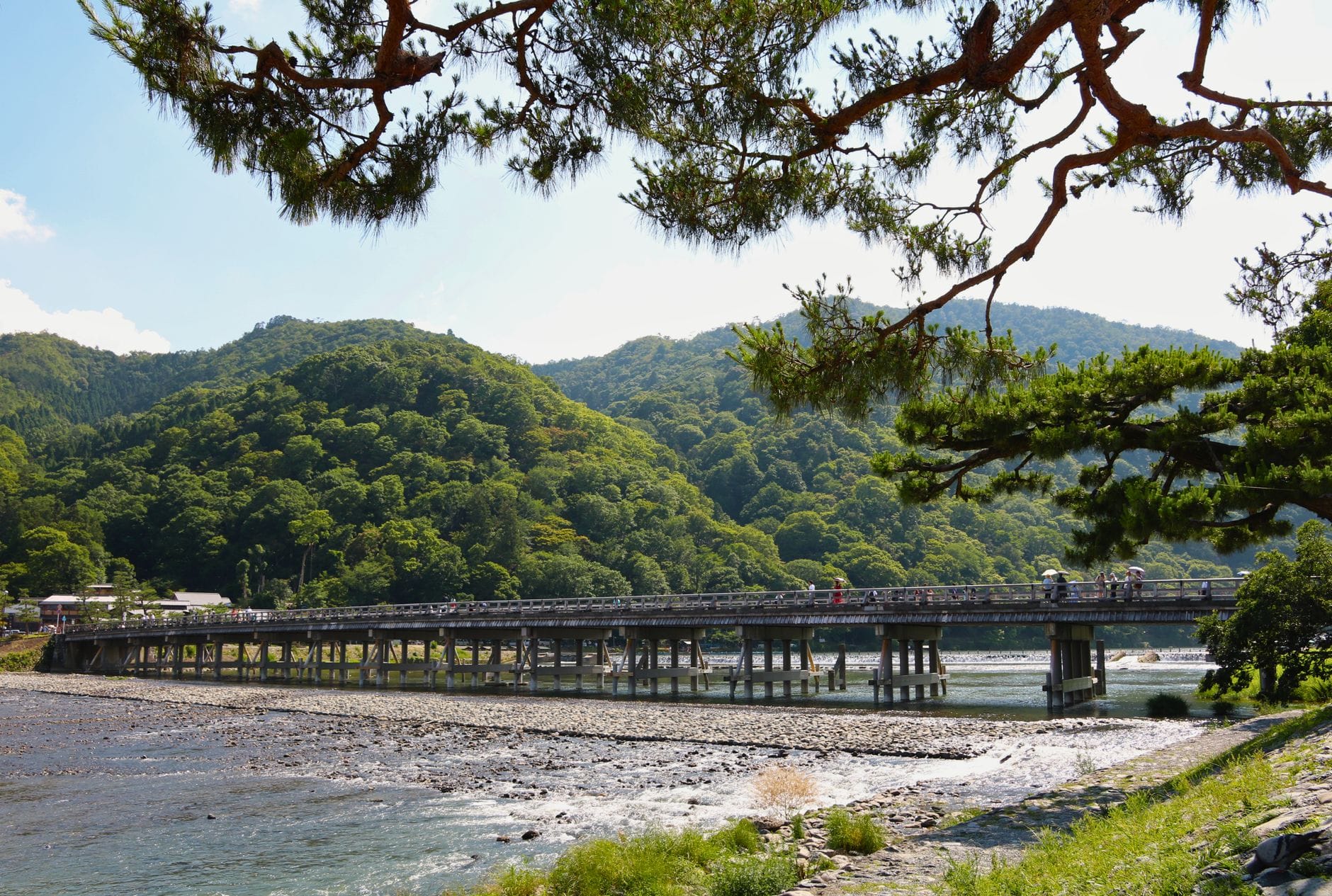
Arashiyama: Kyoto Arashiyama Onsen Kadensho
Kadensho's own FAQ says it cannot provide vegetarian, vegan or religious meals, so plan to eat out. Its strength is the bath. The inn has five private baths that guests can use free of charge, without a reservation, for 30 to 40 minutes at a time. Check-in is from 3pm.
For food, Yoshiya, certified by the Kyoto Council for Sharia and Halal Affairs, is about 5 minutes' walk. For prayer, a shop in the Tenryu-ji area of Arashiyama offers a free Muslim prayer room, according to its page dated 2 September 2026. It needs no reservation and provides a Quran, a qibla compass and a place to wash your feet. The page does not list opening hours.
Higashiyama: Seikoro
Seikoro is a ryokan in Higashiyama. Its website has no information for Muslim guests. The reason to consider it is Honke Tankuma Honten, about 8 minutes' walk away. It is a kaiseki restaurant certified by the Kyoto Council for Sharia and Halal Affairs, so you can have a halal kaiseki dinner even though the inn cannot serve one.
Near Kyoto Station: Kyoto Takasegawa Bettei
Takasegawa Bettei's website says every room has its own hinoki (cypress) bath. That is the main reason to choose it. Halal food is a little further here. GYUMON Kyoto, whose operator says its ingredients and cooking follow Islamic dietary law, is about 10 minutes away. The prayer room at Japaning near Kyoto Station is about 8 minutes away.
How do you avoid the communal bath?
Ask for one of these when you book, in this order of certainty:
- A room with its own bath. Takasegawa Bettei says every room has one. Yuzanso lists rooms with a private open-air bath.
- Private baths for guests. Kadensho has five, free and first come, first served.
If none of these is available, many inns have quiet hours late at night or early in the morning. That is a gamble, not a plan. For stays elsewhere in Japan, see our list of onsen stays with private baths.
What should you ask a ryokan before booking?
Send these by email so you have the answers in writing:
- Can you serve a halal meal? If yes, which organisation certifies it, and how many days ahead must I order?
- If not, can I book a plan without dinner or breakfast?
- Can you lend a prayer mat or tell me the qibla direction?
- Is there a bath I can use privately?
- Is there somewhere with warm water for wudu other than the shared bath?
For hotels as well as ryokan, see our guide to Muslim-friendly accommodation in Kyoto and our guide to where to stay in Tokyo, Kyoto and Osaka.
Frequently asked questions
Is there a halal ryokan in Kyoto?
We could not confirm a ryokan inside Kyoto city that serves its own halal-certified meal. The nearest is Yuzanso at Ogoto Onsen in Shiga Prefecture, 20 minutes from Kyoto Station by JR. Its Muslim-friendly menu is certified by the Kyoto Council for Sharia and Halal Affairs, and it must be booked at least 5 days ahead.
Can a ryokan serve halal kaiseki?
Very few can, because a standard kaiseki kitchen uses mirin, sake and shared equipment. If you want halal kaiseki in Kyoto, eat at a certified kaiseki restaurant such as Honke Tankuma Honten and sleep at a ryokan nearby.
Can I pray in a ryokan room?
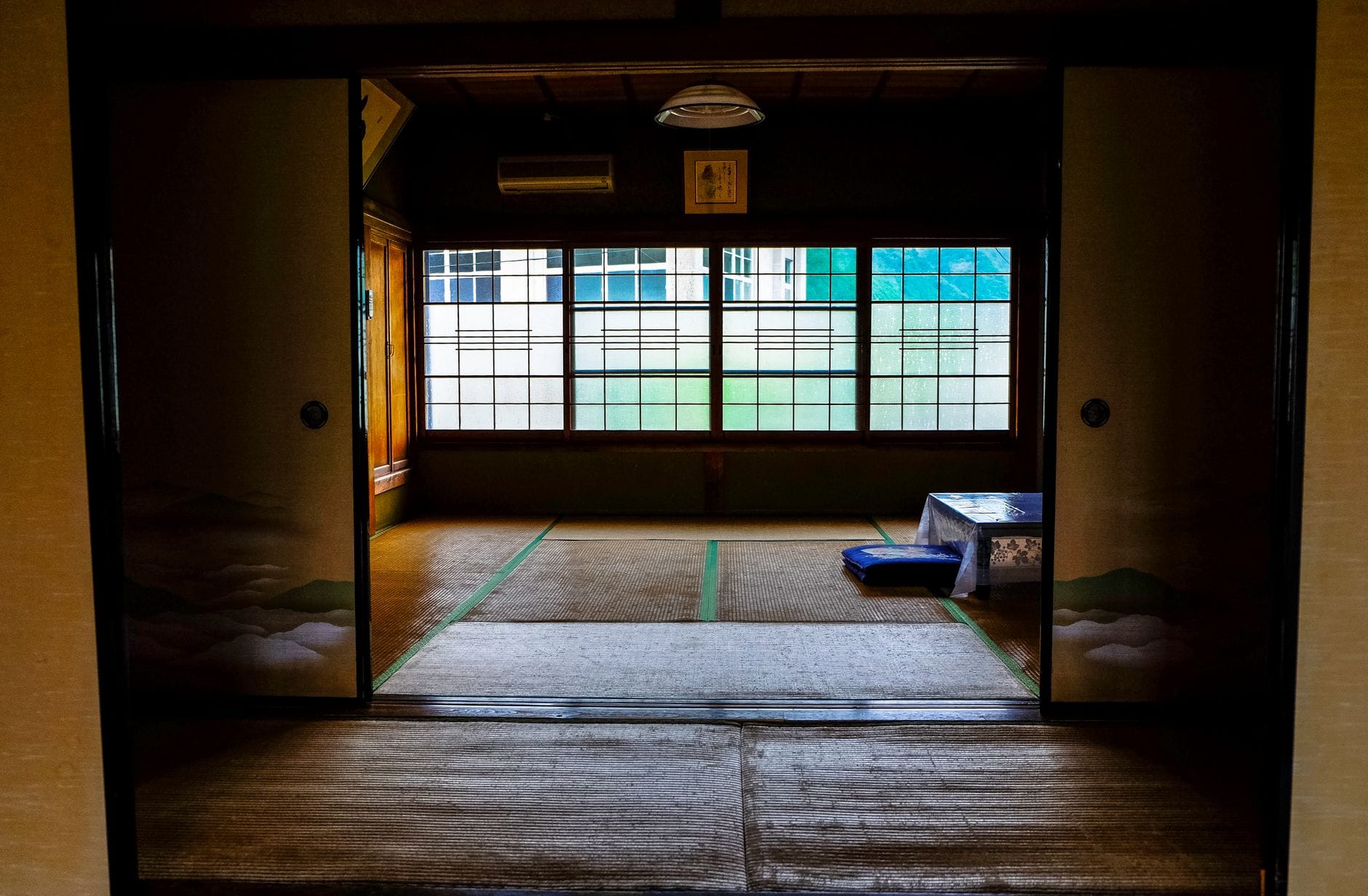
Yes. Tatami rooms are kept clean and shoes stay at the door. Bring a qibla app or compass. The Risshisha machiya inns also lend prayer mats and prayer clothes free of charge.
Do Kyoto ryokan have private baths?
Some do. Kyoto Takasegawa Bettei says every room has its own cypress bath, and Kyoto Arashiyama Onsen Kadensho has five private baths that guests can use free without a reservation.
What if a ryokan website says nothing about halal?
Assume it does not serve halal food. Book a room-only plan, and choose an inn with certified halal restaurants within walking distance.
What we could and could not verify
We checked every inn's official website on 28 September 2026 and the certifier's client list on 31 August 2026. Yuzanso's certification is confirmed by the certifier's list. The Risshisha group's halal dinner and prayer equipment come from the operator's own undated page and do not name a certifier, so confirm by email. For Hirashin, Kadensho, Seikoro and Takasegawa Bettei, we found no halal meal on their websites. Restaurant certifications are as listed on each restaurant's Halal Navi page at the time of writing. Halal arrangements change, so confirm with the inn and the restaurant before you travel.
About this article
Author: Aisha Rahman, Halal Navi Editorial Team. Aisha Rahman is a pen name used by the Halal Navi editorial team to maintain consistency across our halal verification reporting. Editorial responsibility is held collectively by our Halal Verification Team.
Reviewer: Halal-reviewed by Zeshan Hayat (Lead Halal Auditor, Halal Navi / Founder, HHAJ). Zeshan holds ISO 9001:2015 Internal Auditor and ISO 19011 Auditor credentials. See our editorial standards for the full review process.
Update policy: We re-verify every claim in this article quarterly. If you spot outdated information, we will review and correct it within 7 days.
Disclosure: Halal Navi receives no payment from any restaurant or hotel in exchange for inclusion, and all recommendations reflect independent editorial judgment based on Muslim-friendly criteria. Some articles contain affiliate booking links (e.g. Trip.com); if you book through one, Halal Navi may earn a small commission at no extra cost to you.
Last verified: 2026-09-28