Okinawa Halal & Muslim-Friendly Guide 2026
Quick Answer: Okinawa has a small but developing halal and Muslim-friendly dining scene, concentrated mainly in Naha, and requires careful advance planning. 丼 なんと屋 DONBURI NANTOYA in Naha and KALIKA near Tomigusuku are listed on the Halal Navi platform as Muslim-friendly options; Kababs Indian Restaurant in Okinawa City is reported by visitors as Muslim-friendly — confirm halal policy and certification directly with each venue before visiting. Itoman Gyomin Shokudo offers fresh seafood and is listed on Halal Navi, with seafood dishes potentially suitable depending on personal halal standards. Okinawa does not have a large purpose-built mosque; travelers should contact local Muslim community groups before arrival for current prayer space information and use a qibla compass app. From Naha, the qibla direction is approximately west-northwest. Hotel Yugaf Inn Okinawa holds certification from the Nippon Asia Halal Association and offers halal breakfast with advance notice.
Planning a trip to Okinawa and wondering how to stay halal while soaking in the turquoise waters, coral reefs, and rich Ryukyuan culture? You are not alone. Okinawa halal dining and Muslim-friendly travel options have grown steadily, and with some preparation — plus the right tools — Muslim travelers can enjoy one of Japan's most spectacular island destinations with confidence. This guide covers everything from halal restaurants in Naha to prayer facilities, hotel tips, and practical advice for navigating Okinawa's unique food culture in 2026.
What Is the Halal Food Scene Like in Okinawa?
Okinawa's cuisine is unlike anything else in Japan. The island's diet revolves heavily around pork — from Okinawa soba (traditionally made with pork broth) to rafute (braised pork belly) — which means Muslim travelers need to plan carefully. However, the island's growing international tourism profile, combined with a significant presence of US military personnel and Southeast Asian visitors, has encouraged a small but meaningful number of halal-conscious restaurants to emerge, particularly in the Naha area.
The honest picture: Okinawa's halal scene is smaller than Tokyo or Osaka, but it is developing. Your best strategy is to focus on the verified listings available through the Halal Navi app, which tracks current certification and Muslim-friendly status in real time.
Okinawa Halal Restaurants in Naha: Where to Start
Naha, the prefectural capital, is the most practical base for Muslim travelers and is home to the most accessible halal-friendly dining options on the main island.
丼 なんと屋DONBURI NANTOYA, located in Naha, is listed on the Halal Navi platform as a Muslim-friendly donburi (rice bowl) restaurant. Donburi-style dining is a particularly good option for halal travelers because rice bowl dishes can often be prepared without pork or alcohol-based seasonings — though you should always confirm with staff at the time of your visit, as menus and sourcing can change.
In the Okinawa City area (sometimes called Koza), Kababs Indian Restaurant is reported by visitors as a Muslim-friendly option serving kebab-style dishes and Indian cuisine, which naturally tends toward halal ingredients. Confirm current halal policy and certification status directly with the restaurant before visiting.
For travelers venturing south toward Tomigusuku — close to Naha Airport — KALIKA is listed on the Halal Navi platform as a dining option worth checking. Its location near the airport makes it a convenient stop on arrival or departure days.
Search the Halal Navi app for current listings in this area to find the most up-to-date options, as new venues are added regularly.

Halal Dining in Itoman: Fresh Seafood for Muslim Travelers
Itoman, a fishing town at the southern tip of Okinawa's main island, is famous throughout Japan for its seafood market and fishing culture — and seafood is naturally a safer territory for halal travelers in Okinawa.
Itoman Gyomin Shokudo (糸満漁民食堂) is a well-known fishermen's canteen-style restaurant in Itoman that serves fresh locally caught seafood. The restaurant is listed on the Halal Navi platform, and seafood dishes — particularly grilled fish and sashimi — may be suitable depending on your personal halal standards regarding seafood. Always confirm whether sauces, broths, or sides contain alcohol or pork-derived ingredients, as these can be hidden in Japanese cooking.
Itoman's seafood market (Itoman Fishermen's Wharf area) is worth exploring in the morning when fresh catches are brought in. While the market itself is not a halal-certified food establishment, purchasing whole fresh fish for self-catering is a viable option for travelers staying in serviced apartments or guesthouses with kitchen access.
Is There a Mosque or Prayer Room in Okinawa?
Access to prayer facilities is a top priority for Muslim travelers, and Okinawa's options are limited but growing.
As of publication, Okinawa does not have a large purpose-built mosque in the way that Tokyo or Osaka does. However, the Muslim community on the island — including students, residents connected to the US military bases, and Southeast Asian workers — has established informal prayer networks. Travelers are advised to:
- Contact local Muslim community groups via social media before arrival to learn of the most current prayer space options.
- Use a qibla direction app (the Halal Navi app includes a qibla compass feature) to orient yourself for prayer anywhere on the island. From Naha, the qibla direction points roughly west-northwest toward Mecca.
- Check whether your hotel can provide a prayer mat and qibla indication — many internationally oriented hotels in Naha, particularly those catering to Southeast Asian tourists, are familiar with this request.
Dechibica, listed on the Halal Navi platform under the Okinawa area, is reported as a Muslim-friendly venue that may also provide information about local prayer resources — confirm directly when you visit.
Some travelers have also reported that larger shopping malls in the Naha area have quiet rooms or multi-faith rooms that can be used for prayer. Always ask at the information desk upon arrival.

Muslim-Friendly Hotels in Okinawa: What to Look For
Okinawa has no shortage of resort hotels, but Muslim-friendly amenities vary widely. Here is what to look for and ask about when booking:
- Prayer mat and qibla direction card available on request
- Halal breakfast option or at minimum a pork-free breakfast track
- Refrigerator in room (for storing halal food you bring yourself)
- Kitchen or kitchenette access (especially important on remote islands)
- Alcohol-free minibar option or no minibar
The major resort strips — Onna Village on the west coast and the Kerama Islands area — are stunning but have fewer halal food options nearby, so self-catering capability becomes more important. Mid-range business hotels in central Naha are often more practical for halal travelers because they are walking distance from the halal-friendly restaurants listed on Halal Navi and close to the Makishi Public Market area, where fresh ingredients are available.
When booking, contact the hotel directly and ask specific questions in writing. Request confirmation of their pork-free or halal breakfast option in advance. Search the Halal Navi app for current Muslim-friendly hotel listings in Okinawa, as verified properties are updated regularly.
Navigating Okinawan Food Culture as a Muslim Traveler
Okinawan cuisine presents unique challenges beyond standard Japanese food navigation, because pork is even more deeply embedded here than on the mainland. Key things to know:
Okinawa soba, the island's iconic noodle dish, is almost universally made with pork-based broth and topped with pork ribs or belly. Seek out alternatives or ask restaurants if a chicken-based broth version is available — some newer establishments have adapted their menus for dietary needs.
Champuru (stir-fry dishes) often contain pork, though tofu champuru and goya (bitter melon) champuru are sometimes available in vegetarian-friendly versions. Confirm whether lard or pork products are used in cooking.
Seafood and sea vegetables (mozuku seaweed, sea grapes/umibudo) are Okinawa's safest culinary territory for halal travelers. Sea grapes in particular are served at many restaurants as a side dish with no problematic ingredients.
Convenience stores (konbini) across Okinawa carry onigiri (rice balls), some of which are filled with tuna, salmon, or pickled plum — useful for quick halal-safe snacks, though always check labels for pork-derived ingredients.
📱 Find halal restaurants, prayer rooms and Muslim-friendly places across Japan with the free Halal Navi app.
Download on the App Store · Get it on Google Play
Day Trips and Island Hopping: Halal Tips Beyond Naha
Okinawa's appeal lies not just in the main island but in its outlying archipelagos — the Kerama Islands, Miyako-jima, and Ishigaki-jima. Muslim travelers venturing to these remote islands should prepare carefully:
- Pack sufficient halal snacks and meals for day trips, as halal-certified dining is essentially unavailable on smaller islands.
- Bring a portable prayer mat — space to pray is easy to find in natural settings, beaches, and parks.
- Book accommodation with kitchen access on remote islands whenever possible.
- Confirm before booking if any resort restaurant on your chosen island can accommodate halal dietary requests — some internationally managed resorts have experience with this.
Search the Halal Navi app for current listings in this area, as the platform's coverage of Okinawa's outer islands is expanding as more venues register.
Halal Shopping and Ingredient Sourcing in Okinawa
For travelers who prefer to cook or want to supplement restaurant meals with halal-sourced ingredients:
Naha's Makishi Public Market (first floor) sells fresh meat, fish, and local produce. Fish and shellfish purchases are straightforward; for halal-certified meat, you will need to plan ahead, as dedicated halal butchers are not widely available in Okinawa.
Some international supermarkets and import food stores in the greater Naha area stock halal-certified packaged goods imported from Southeast Asia and the Middle East. Search the Halal Navi app for current halal grocery listings in Okinawa before your trip, as stock and availability change seasonally.
Online ordering of halal-certified ingredients for delivery to your accommodation is a practical option if you are staying for a week or more — several Japanese halal food retailers ship nationally.
Frequently Asked Questions: Okinawa Halal Travel 2026
What halal restaurants are there in Naha, Okinawa?
Naha has a small but growing number of Muslim-friendly dining options. 丼 なんと屋DONBURI NANTOYA is listed on the Halal Navi platform as a Muslim-friendly donburi restaurant in Naha. KALIKA near Tomigusuku is another listed option, convenient for arrivals and departures. Always confirm current halal status directly with each restaurant before visiting, as policies can change.
Is there a mosque in Okinawa?
As of 2026, Okinawa does not have a large purpose-built mosque open to the general public in the way that major Japanese cities do. Muslim residents and travelers use informal prayer spaces and community networks. Use the Halal Navi app's qibla compass and contact local Muslim community groups via social media before your trip to find the most current prayer space information.
Which direction is qibla from Okinawa?
From Naha, Okinawa, the qibla direction (toward Mecca) is approximately west-northwest. The Halal Navi app includes a built-in qibla compass you can use anywhere on the island.
Can I find halal food in Okinawa outside of Naha?
Options become very limited outside Naha. In Itoman, Itoman Gyomin Shokudo (糸満漁民食堂) offers fresh seafood in a fishermen's canteen setting, which may suit many halal travelers depending on their seafood standards. On remote islands such as Miyako-jima or Ishigaki-jima, halal dining is essentially unavailable, so packing your own food and booking accommodation with kitchen access is strongly recommended.
Is Okinawan seafood halal?
Most schools of Islamic jurisprudence consider seafood from the sea (fish, shellfish, sea vegetables) to be permissible. However, be aware that sauces, marinades, and cooking oils used in Okinawan restaurants may contain alcohol or pork derivatives. Always ask kitchen staff about preparation methods, and confirm before ordering.
Are hotels in Okinawa Muslim-friendly?
Muslim-friendliness varies widely by property. Hotels in central Naha that cater to Southeast Asian and international tourists are most likely to accommodate requests for prayer mats, qibla direction information, and pork-free meal options. Contact your chosen hotel directly before booking and request confirmation in writing. Search the Halal Navi app for verified Muslim-friendly hotel listings.
What should I pack as a Muslim traveler visiting Okinawa?
Pack a portable prayer mat, a copy of your prayer times for Okinawa's latitude, halal-certified snacks and instant meals for days when restaurant options are limited, and a reusable water bottle. If you are visiting remote islands, consider bringing enough halal provisions for the entire stay. The Halal Navi app covers qibla direction, prayer times, and venue discovery all in one place.
🛏 Staying in Okinawa? We list 4 places to stay there, and each one shows how many halal restaurants are within walking distance.
See places to stay in Okinawa →
Explore Okinawa Halal with the Halal Navi App
Okinawa is one of Japan's most breathtaking destinations, and with the right preparation, Muslim travelers can experience its coral reefs, island culture, and warm hospitality without compromising their faith. The Halal Navi app is your most reliable companion for real-time halal restaurant discovery, prayer time alerts, qibla direction, and Muslim-friendly hotel search — all updated regularly to reflect current certification and venue status.
Download the Halal Navi app today from the App Store or Google Play, and travel Okinawa with confidence in 2026.
Where to Stay in Okinawa: Muslim-Friendly Hotels & Stays to Book
These Okinawa stays publicly state Muslim-friendly facilities, or are featured on Halal Navi for Muslim travelers. Confirm current details directly when you book, as policies can change.
Some booking links below are affiliate links — if you book through one, Halal Navi may earn a small commission at no extra cost to you. This never affects which stays we list.
Private villas and self-catering stays
Renting a whole house with its own kitchen is the simplest way to eat halal in Okinawa, where certified restaurants are few and far apart.
Twins Lodge Villa A · Twins Lodge Villa B (Yomitan, central Okinawa) — Two private villas side by side, each rented exclusively and each sleeping up to 10. The owner provides halal-only cookware, tableware and cutlery kept separate from general guests', plus a prayer mat and a qibla marker on request. Book one villa on its own, or both together for larger groups. Near American Village and Cape Zanpa.
Hotels
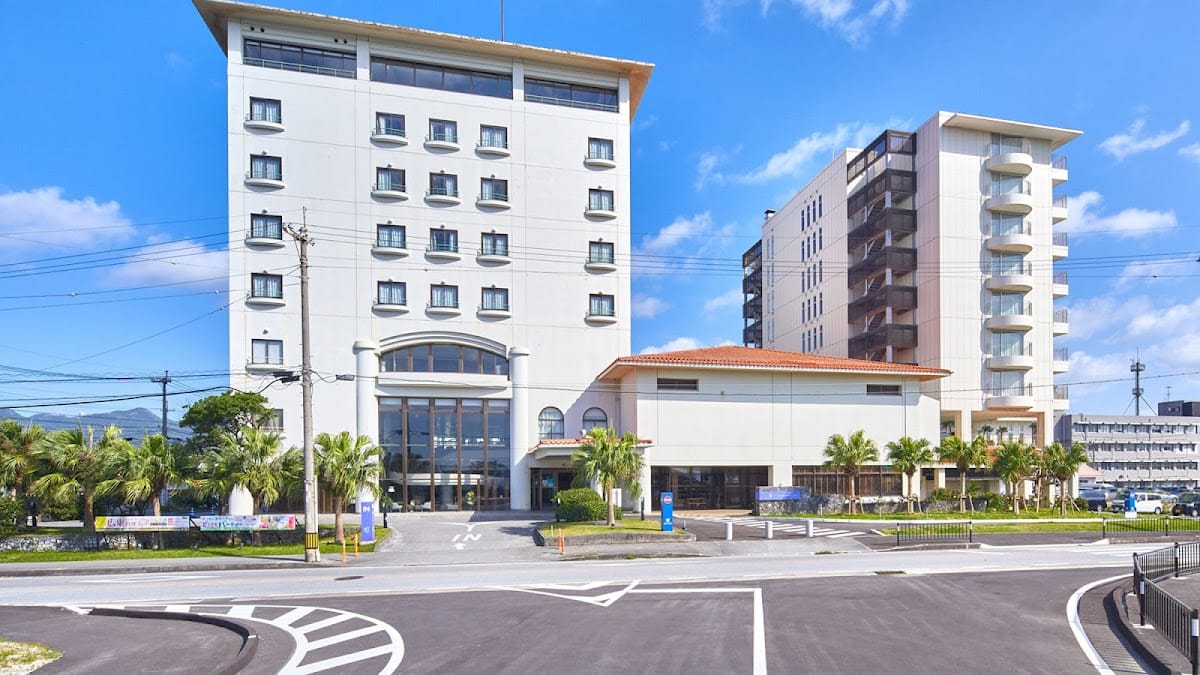
Hotel Yugaf Inn Okinawa (Nago City) — In-room prayer rug, qibla and prayer timetable; a prayer space with wudu bowl and slippers; a halal breakfast/lunch buffet and dinner sets using halal-certified meat with separate utensils (3-day notice). Certified by the Nippon Asia Halal Association.
Hotel JAL City Naha (Naha) — Muslim-friendly meals can be arranged at any time by substituting ingredients; there is no dedicated menu. No pork is used and seasonings are checked at ingredient level, non-alcoholic drinks are available, though alcohol is also served. A prayer space can be arranged in a guest room for a fee. Not halal-certified. Two halal restaurants sit within 500 m, the nearest 101 m away.
🚗 Planning to get out of Okinawa? The furthest place we list in Okinawa sits 30 km from the nearest halal restaurant we know of, in Nago. Buses reach very little of that. Most visitors drive.
Compare car hire in Okinawa →
About this article
Author: Aisha Rahman, Halal Navi Editorial Team. Aisha Rahman is a pen name used by the Halal Navi editorial team to maintain consistency across our halal verification reporting. Editorial responsibility is held collectively by our Halal Verification Team.
Reviewer: Halal-reviewed by Zeshan Hayat (Lead Halal Auditor, Halal Navi / Founder, HHAJ). Zeshan holds ISO 9001:2015 Internal Auditor and ISO 19011 Auditor credentials. See our editorial standards for the full review process.
Update policy: We re-verify every claim in this article quarterly. If you spot outdated information, we will review and correct it within 7 days.
Disclosure: Halal Navi receives no payment from any restaurant or hotel in exchange for inclusion, and all recommendations reflect independent editorial judgment based on Muslim-friendly criteria. Some articles contain affiliate booking links (e.g. Trip.com); if you book through one, Halal Navi may earn a small commission at no extra cost to you.
Last verified: 2026-06-18