
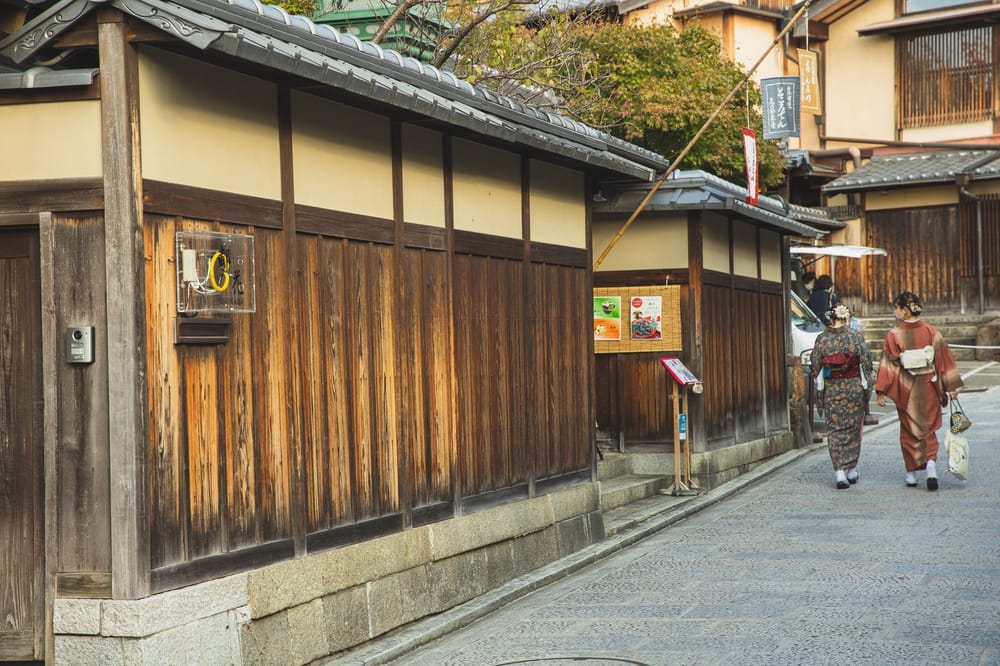
Halal Food in Kyoto 2026: Kyoto Station, Gion and Arashiyama
Quick Answer: Halal food in Kyoto is genuinely accessible in 2026, particularly in Gion, around Shijo and Nishiki Market, and in Arashiyama, with options ranging from halal ramen to wagyu yakiniku and sukiyaki. The standout verified option is Yoshiya Arashiyama, which is certified by the Kyoto Council for Sharia and Halal Affairs, prepares its halal dishes in a separate kitchen space with no pork and no alcohol-containing seasonings, and has a prayer room with ablution facilities for restaurant guests: making it the most comprehensively Muslim-friendly restaurant mentioned. The Naritaya venues that older guides name for Gion have all closed. Other venues, including the Honolu ramen brands and HALAL WAGYU SUKIYAKI HALRA, advertise halal-conscious menus, but the article advises confirming current certification status directly with each restaurant before dining. For prayer, Masjid Kyoto in Kamigyo is the main Friday facility. Always verify halal status on arrival.
Finding halal food in Kyoto has never been easier than in 2026. From certified halal ramen in the city centre to wagyu yakiniku in the heart of Gion and scenic riverside dining in Arashiyama, Kyoto's halal dining scene has grown into one of the most impressive in Japan. Whether you are a first-time visitor arriving on the Shinkansen or a seasoned traveler exploring the backstreets of Higashiyama, this guide covers verified Muslim-friendly restaurants, prayer facility tips, and practical travel notes to help you eat well and worship comfortably throughout one of the world's most beautiful cities.

Kyoto Has Its Own Halal Certifier, and You Can Read the List
Most Japanese cities have no local halal body at all. Kyoto does: the Kyoto Council for Sharia and Halal Affairs (京都ハラール評議会), which publishes a selection of the businesses it has certified. That is unusual and genuinely useful: you can check a restaurant yourself rather than take a sign at face value.
Four Kyoto restaurants appear on that public list (checked 21 October 2026), and they are not the ones most visitors expect: the three below, and Kobe Beef Gion Sudaku Teppan (神戸牛祇園すだく鉄板) in Gion.
Honke Tankuma Honten (京料理本家 たん熊 本店) in Shimogyo is the headline. This is kyo-ryori: traditional Kyoto haute cuisine, normally the hardest category in Japan to eat as a Muslim. We could not find on the restaurant's own pages what the certification covers or whether there is a separate kitchen (checked 21 October 2026). Alcohol is served on the premises to other guests, so book the halal course when you reserve and ask how it is prepared.
Yoshiya (京都嵐山 良彌) in Arashiyama is the one most Muslim travellers already know, and deservedly: its own website says its halal dishes are made in a separate kitchen space with no pork and no alcohol-containing seasonings, and it has a prayer room with ablution facilities for restaurant guests (checked 21 October 2026). It runs several shops around the Tenryu-ji approach, so check which one you are booking.
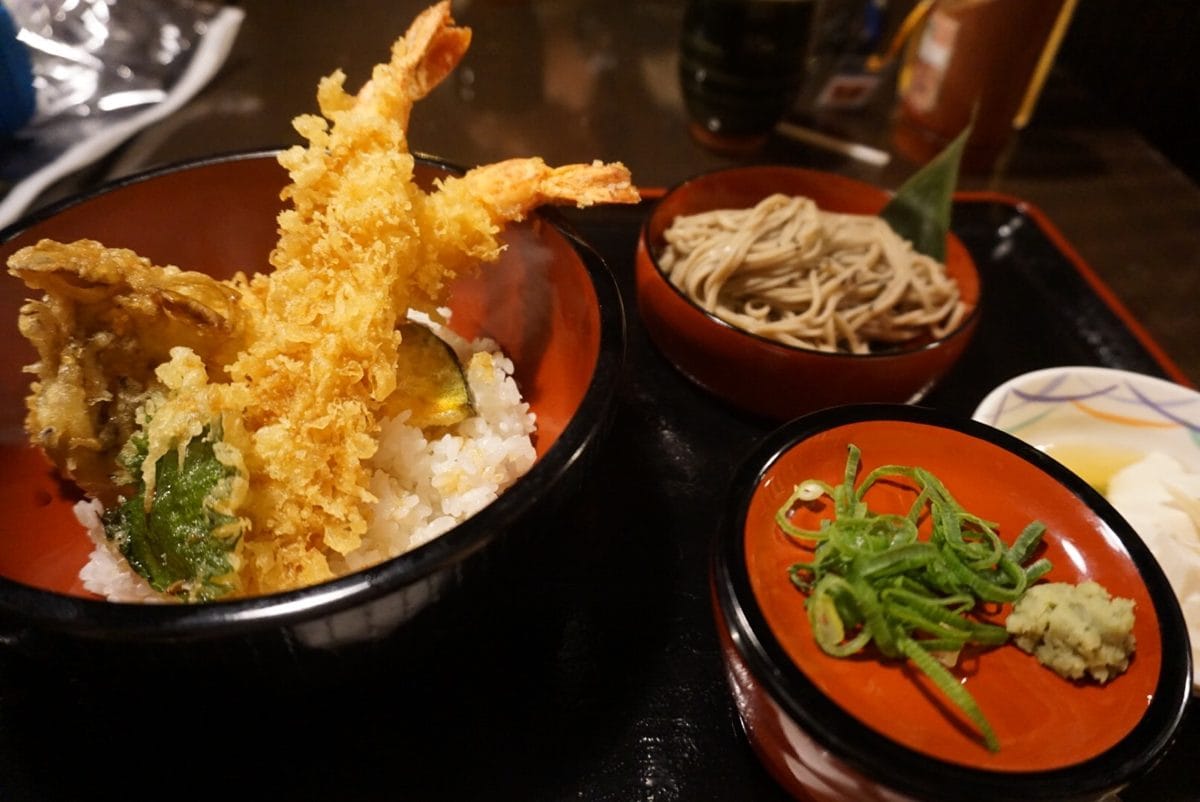
Halal A5 Wagyu Yakiniku Sudaku Kyoto (焼肉すだく京都店) in Kamigyo is a yakiniku restaurant on the council's list. It works mainly with Omi beef at A5 grade, and is a short walk from Marutamachi Station on the Karasuma subway line. The operator says alcohol is served on the premises. See the halal details.
Other certificates and halal claims
Halal Ramen Ayam-Ya Karasuma holds Japan Halal Foundation certification, listed on JHF's own register as Torisoba Kyoto Ayam-Ya, certificate FPS-108 (checked 21 October 2026). Among Kyoto's halal ramen shops, this is the one with a certificate you can look up.
GYUMON runs four halal wagyu shops in Kyoto, including one in Gion. The operator says its ingredients, seasonings and cooking follow Islamic dietary rules, that it serves no pork and no alcohol, and that it has received guidance from a halal certification body, but it does not name the body. We could not find prayer rooms on the operator's own Kyoto shop pages (checked 21 October 2026); confirm before you go.
Hotel Granvia Kyoto, directly above Kyoto Station, has a halal menu of five dishes at its Café Restaurant Le Temps. The hotel's website says Le Temps holds the Muslim Professional Japan Association's (MPJA) "Muslim Friendly" certification, which the hotel describes as a halal standard covering the kitchen and utensils, and that these five dishes are the certified menu; the two bentos must be booked at least three days ahead (checked 20 October 2026). An older Muslim-friendly guide from 2014, still online, names Malaysia Halal Corporation and the Japanese restaurant Ukihashi; the hotel's current pages do not, so go by the current pages. The hotel's breakfast pages do not mention halal. Its announcement of the halal menu says every guest room has a qibla marker on the ceiling, that prayer mats and a Quran can be provided, and that staff can suggest nearby prayer spaces. For a halal meal in the same building as your train, this is the simplest answer in the city.
Two more Kyoto restaurants, Asian Kitchen Salman and RAJU Kyodaimae, describe themselves as certified by the Kyoto Council on their own site, but do not appear on the Council's current public list, which the Council says shows only some of the businesses it has certified. Worth asking about at the counter.
Halal Food in Kyoto Near Kyoto Station: Your First Stop After Arrival
Right at Kyoto Station, Hotel Granvia Kyoto's Café Restaurant Le Temps has the halal menu described above. GYUMON's own pages put two of its halal wagyu ramen shops about 7 to 8 minutes on foot from Kyoto Station, GYUMON Kyoto (Tatsumicho) and GYUMON Kyoto Volcano Kawaramachi, both in Shimogyo Ward; the operator does not name a certifier (checked 21 October 2026). The certified halal ramen shop, Ayam-Ya, and the Honolu shops are around Shijo and Gion, about 2 km north: a short subway or bus ride.
Halal Ramen Ayam-Ya Karasuma Kyoto is in Nakagyo Ward near Shijo-Karasuma, about 2 km north of Kyoto Station, and is open for lunch. The restaurant serves a chicken-based broth free from pork and alcohol, and it holds Japan Halal Foundation certification (FPS-108): one of the few halal ramen shops in Kansai whose certificate you can look up on the certifier's own register. It is part of the Ayam-Ya brand known for catering to Muslim diners across Japan.
For those craving something heartier, Halal Ramen Honolu Premier Kyoto Gion and Halal Honolu's Wagyu Udon Ramen Kyoto, both in the Gion-Shijo area of Shimogyo Ward, about 2 km from Kyoto Station, offer wagyu beef ramen and udon. The operator says they use no pork and no alcohol. It also says its Kyoto branch is certified by the Japan Islamic Culture Center (Otsuka Mosque) but does not say which of its Kyoto shops it means, so we do not call either one certified.
For a sit-down meal, HALAL WAGYU SUKIYAKI 春爛〜HALRA〜京都 Kyoto presents itself on its own account as a halal wagyu sukiyaki restaurant about two minutes from Gion-Shijo Station. It does not name a certifier.
Prayer note: Kyoto Station is not on the Kyoto City Tourism Association's list of prayer spaces (checked 21 October 2026), and the city's mosque, Masjid Kyoto, is in Kamigyo, north of the centre. Always carry a travel prayer mat and a qibla compass app when exploring the station area.
Halal Food in Kyoto's Gion and Higashiyama: Dining Among the Geisha Districts
Gion and the Higashiyama walking corridor are the cultural heart of Kyoto, and the halal food scene here has expanded considerably. Muslim travelers can now enjoy authentic Japanese cuisine without compromising their dietary principles while strolling between Yasaka Shrine and Kiyomizudera Temple.
The Naritaya venues in Gion have closed. Naritaya Halal Yakiniku and Naritaya Gion Kyoto were among the best-known halal restaurants in the Gion area for Muslim visitors from Malaysia, Indonesia and the Middle East, and older guides still name them. Both are closed as of August 2026: do not plan a meal around either.
For wagyu lovers, Halal Wagyu Yakiniku & Ramen GYUMON Kyoto/Gion in Higashiyama offers a dual concept: grilled wagyu and halal ramen under one roof. This makes it a flexible choice whether you want a full yakiniku spread or a quick bowl. The operator says it serves no pork and no alcohol and has had guidance from a halal certification body, but it does not name the body, and we could not find a prayer room on its own page (checked 21 October 2026).
Indian Dhaba Noorani Gion has permanently closed (Google Maps lists it as CLOSED_PERMANENTLY, checked 2026-08-23). It still appears in older guides to South Asian food around Gion, so do not plan a meal around it.
Female-friendly note: The Gion area is generally safe and comfortable for solo female Muslim travelers. Many restaurants in this district have private seating areas and attentive staff familiar with Muslim dietary requirements.
Halal Food in Kyoto's Nakagyo Ward: The City Centre Dining Scene
Nakagyo Ward, centered around the Shijo-Kawaramachi and Nishiki Market area, is Kyoto's vibrant city centre, and it hosts a growing cluster of halal-friendly restaurants.
Honolu Kyoto Halal Ramen 帆のる京都錦 in Nakagyo brings the popular halal ramen concept to the heart of the city near the famous Nishiki Market. This is a convenient stop for Muslim travelers shopping in the covered market arcade. The operator's own FAQ says many menu items are halal-certified and that it uses no pork or alcohol, but it does not name the certifier. It has a one-person prayer room with ablution facilities (checked 21 October 2026).
HALAL WAGYU SUKIYAKI 春爛〜HALRA〜京都 Kyoto describes itself as a halal sukiyaki restaurant: a notable find, as sukiyaki (hot pot with wagyu, tofu, and vegetables simmered in a sweet soy broth) is a quintessential Japanese experience. The restaurant specifically targets Muslim diners; confirm halal certification status directly with the venue.
和牛すき焼き京都ぱんが Wagyu Sukiyaki KYOTO PANGA also in Nakagyo is a wagyu sukiyaki restaurant whose own website says all its wagyu and seasonings are halal-certified. It does not name the certifier or describe the rest of the kitchen. It is closed on Mondays; book ahead for the sukiyaki course.
Ramen Gyumon and Ayam-Ya Karasuma round out the ramen options in this ward for Muslim travelers. Ayam-Ya Karasuma holds Japan Halal Foundation certification (FPS-108), a body you can name; GYUMON does not name its certifier.
For those who prefer South Asian flavours, Ajanta is about 2 km from Kyoto Station: a short subway ride of around 10 minutes. It is a long-established Indian restaurant, but we could not find halal information on the restaurant's own website (checked 21 October 2026); confirm before you go.
Halal Food in Arashiyama: Eating Near the Bamboo Grove
Arashiyama, famous for its towering bamboo groves, Togetsukyo Bridge, and monkey park, is one of Kyoto's most visited day-trip destinations. Finding halal food here used to be a challenge, but options are emerging.
Wagyu Volcano OAGARI, Arashiyama in the Ukyo district is a standout option for Muslim travelers in this scenic area. It serves wagyu with a bit of theatre to it. The operator says it uses halal-certified wagyu but that its kitchen also cooks non-halal dishes, so the halal scope is the beef, not the kitchen, and it names no certifier. Its Arashiyama shop has a prayer room that anyone can use free of charge (checked 21 October 2026).
Yoshiya Arashiyama (良彌) at 31 Sagatenryuji Tsukurimichicho, a short walk from Togetsukyo Bridge, is the one to plan the day around. Yoshiya began selling souvenirs here in 1948 and opened its Okunoniwa dining room in 2002. It is certified by the Kyoto Council for Sharia and Halal Affairs, which lists it under its Japanese name 良彌, and its own website says its halal dishes are made in a separate kitchen space with no pork and no alcohol-containing seasonings. Its listed hours are 11:00 to 17:30 (checked 21 October 2026).
What it cooks is the point: Omi beef, one of Japan's three great wagyu, as shabu-shabu and sukiyaki, alongside Kyoto cooking built on tofu, yuba and local vegetables. Vegan and gluten-free versions are available. Its Okunoniwa dining room takes walk-ins, though the restaurant recommends booking.
The reason it changes an Arashiyama day is in the next section: it has a prayer room.
For anything else in Arashiyama, search the Halal Navi app: the scene is still thin outside the main strip.
Practical tip: Arashiyama is not walkable from Kyoto Station. Take the JR San-in Line (Sagano Line) to Saga-Arashiyama Station (approximately 15 minutes) or the Hankyu Arashiyama Line. Pack light snacks and a water bottle if you plan a full day exploring, as halal options outside the main tourist strip remain limited.
📱 Find halal restaurants, prayer rooms and Muslim-friendly places across Japan with the free Halal Navi app.
Download on the App Store · Get it on Google Play
Prayer Facilities and Muslim-Friendly Tips for Kyoto
Kyoto does not have as many prayer rooms as Osaka or Tokyo, but the situation is better than it looks once you know where to go. Masjid Kyoto, run by the Kyoto Muslim Association near the Imperial Palace in Kamigyo, is the main Friday prayer facility. The Kyoto City Tourism Association lists Friday prayers at 12:30, 13:00 and 13:30 for men only, and opening hours of 12:00 to 18:00, Tuesday to Saturday (checked 21 October 2026): plan your sightseeing accordingly on Fridays.
In Arashiyama, Yoshiya has a prayer room for restaurant guests: a traditional Japanese room with ablution facilities, and OAGARI has one that anyone can use. That is worth knowing before you plan the day, because Arashiyama is a fifteen-minute train ride from Kyoto Station and nowhere near the mosque. It means you can spend a full day at the bamboo grove and the monkey park without building the schedule around getting back into the city to pray.
At Kyoto Station, Hotel Granvia Kyoto says every guest room has a qibla marker and that prayer mats can be provided; for other hotels, ask when you book. We could not find halal food at The Westin Miyako Kyoto, including its Aquablu Cafe Restaurant, on the hotel's own website (checked 20 October 2026); ask the hotel before you book.
General trust signals to look for when dining in Kyoto: - Restaurants that explicitly advertise "no pork, no alcohol" menus - Venues displaying halal certificates (check the issuing body and expiry date) - Staff who can confirm ingredient sourcing when asked - Separate cooking utensils for halal and non-halal items
Halal Food in Kyoto Beyond Japanese Cuisine: International Options
Not every meal needs to be ramen or wagyu. Kyoto has some international restaurants that Muslim visitors use, though we could not confirm their halal status on their own websites.
Istanbul Saray offers Turkish dishes such as kebabs, pide and lentil soup. Our listing records halal for specific menu items only, and alcohol, including raki, is served, but we could not find halal information on the restaurant's own website (checked 21 October 2026); confirm before you go.
Istanbul Saray is approximately 2.8 km from Kyoto Station: a short subway ride of around 10 minutes.
Kerala Indian Restaurant is also approximately 2.8 km from Kyoto Station: a short subway ride of around 10 minutes. It serves South Indian vegetarian and non-vegetarian dishes. We could not find halal information on the restaurant's own website (checked 21 October 2026); confirm the halal and alcohol policy before you go.
For any gaps in coverage, search the Halal Navi app for current listings across Kyoto's halal dining scene.
🛏 Staying in Kyoto? We list 8 places to stay there, and each one shows how many halal restaurants are within walking distance.
See places to stay in Kyoto →
Frequently Asked Questions About Halal Food in Kyoto
Is there anywhere to pray in Arashiyama? Yes. Yoshiya Arashiyama at 31 Sagatenryuji Tsukurimichicho, near Togetsukyo Bridge, has a traditional Japanese prayer room with ablution facilities for restaurant guests, and Wagyu Volcano OAGARI's Arashiyama shop has a prayer room anyone can use. Arashiyama is a fifteen-minute train ride from Kyoto Station and well away from Masjid Kyoto, so this lets you spend a full day at the bamboo grove without planning the schedule around returning to the city.
Where can I eat halal wagyu in Kyoto? Yoshiya Arashiyama serves Omi beef, one of Japan's three great wagyu, as shabu-shabu and sukiyaki. It is certified by the Kyoto Council for Sharia and Halal Affairs, and its halal dishes are made in a separate kitchen space with no pork and no alcohol-containing seasonings. For yakiniku rather than hot pot, Halal A5 Wagyu Yakiniku Sudaku Kyoto in Kamigyo, also on the council's list, grills Omi beef.
Is halal food easy to find in Kyoto in 2026?
Halal food in Kyoto has become significantly more accessible in 2026, particularly in the Gion and Higashiyama area, around Shijo and Nishiki Market, and in Arashiyama. There are now halal ramen shops and wagyu yakiniku and sukiyaki restaurants catering specifically to Muslim travelers. Arashiyama has fewer options but is growing. Use the Halal Navi app to find up-to-date listings before you go.
Are there halal ramen restaurants in Kyoto?
Yes. Several halal ramen restaurants operate in Kyoto in 2026. Halal Ramen Ayam-Ya Karasuma Kyoto near Shijo-Karasuma holds Japan Halal Foundation certification. Halal Ramen Honolu Premier Kyoto Gion in the Gion-Shijo area and Honolu Kyoto Halal Ramen 帆のる京都錦 near Nishiki Market say they use no pork or alcohol. Confirm current halal certification with each venue before dining.
Where can I find halal wagyu beef in Kyoto?
Halal wagyu is one of Kyoto's specialties for Muslim travelers. Halal Wagyu Yakiniku & Ramen GYUMON Kyoto/Gion in Higashiyama, HALAL WAGYU SUKIYAKI 春爛〜HALRA〜京都 Kyoto in Nakagyo, and Wagyu Volcano OAGARI, Arashiyama are all popular choices. None of these three names its certifier on its own pages (checked 21 October 2026), so ask before you order.
Is there a mosque or prayer room in Kyoto?
Masjid Kyoto, run by the Kyoto Muslim Association in the Kamigyo area, is the main prayer facility for the Muslim community in Kyoto and the place for Friday prayers, which the Kyoto City Tourism Association lists as for men only. Some hotels near Kyoto Station can provide prayer mats and qibla direction upon request: call ahead to confirm. Carry a qibla compass app for convenience when sightseeing.
What Japanese dishes can I eat halal in Kyoto?
Ramen, wagyu yakiniku and sukiyaki are the easiest to find in halal versions in Kyoto. Honolu Kyoto Halal Ramen 帆のる京都錦 covers ramen, while HALAL WAGYU SUKIYAKI 春爛〜HALRA〜京都 Kyoto and Halal Wagyu Yakiniku & Ramen GYUMON Kyoto/Gion cover beef dishes. Okonomiyaki and other pork-heavy dishes remain hard to find in halal form: search the Halal Navi app for current listings before you go.
Are there halal food options near the Arashiyama bamboo grove?
Yes, though options are more limited than in central Kyoto. Wagyu Volcano OAGARI, Arashiyama and Yoshiya Arashiyama are both in the Ukyo district: Yoshiya being the one certified by the Kyoto Council, with a prayer room on site. For a full current list, search the Halal Navi app for Arashiyama listings before your visit.
What should Muslim travelers check before eating at a restaurant in Kyoto?
Always ask the restaurant directly about: (1) the halal certification issuing body and expiry date, (2) whether the kitchen uses separate utensils for halal and non-halal items, (3) whether alcohol is used in sauces or marinades, and (4) whether any pork-derived ingredients are present in soups or sauces. Many Japanese restaurants use mirin (a rice wine) or sake in cooking, which may not be immediately visible on the menu. When in doubt, use the Halal Navi app to find certified venues and read recent visitor reviews.
Find Halal Food in Kyoto with the Halal Navi App
Planning a trip to Kyoto? The Halal Navi app is your most reliable companion for finding halal restaurants, Muslim-friendly accommodation, and prayer spaces across Japan and Southeast Asia. Search by area, Kyoto Station, Gion, Arashiyama, Nakagyo, filter by cuisine type, and read reviews from Muslim travelers who have visited recently.
Download the Halal Navi app free from the App Store or Google Play and make your Kyoto trip one to remember, without the guesswork at every meal.
Want to see where a local creator has actually eaten? Navito's list of halal places in Japan collects the venues he has filmed, each shown with its current halal status.
About this article
Written and halal-verified by Zeshan Hayat, CMO & Head Halal Auditor, Halal Navi.
Update policy: If you spot outdated information, we will review and correct it within 7 days.
Disclosure: Halal Navi receives no payment from any restaurant or hotel in exchange for inclusion, and all recommendations reflect independent editorial judgment based on Muslim-friendly criteria. Some articles contain affiliate booking links (e.g. Trip.com); if you book through one, Halal Navi may earn a small commission at no extra cost to you.
Restaurant and hotel details last checked: 2026-10-21. Other sections last verified: 2026-08-02.


