Is Sushi Halal in Japan? What to Ask Before You Order
Quick Answer: Sushi can be halal — fish and vinegared rice are permissible in principle — but much conventional sushi is not, because chefs may add mirin or sake to the rice and sauces, and kitchens often share equipment with non-halal ingredients. Mainstream conveyor-belt chains (Sushiro, Kura Sushi, Kappa Sushi) are not halal. In Tokyo, Muslim-friendly options include Asakusa Sushi Ken (certified by the Japan Halal Foundation), Sushi Restaurant FUJIYAMA TOKYO (Shinjuku), and SANGA.TOKYO Halal Sushi & Wagyu (Kagurazaka) — confirm each venue's current halal status when booking. Dedicated halal sushi outside Tokyo is much rarer, so always ask about mirin, sake, and cross-contamination before ordering.
If you're planning a trip to Japan and wondering "is sushi halal?", you're not alone. Sushi is one of the most iconic Japanese foods, and for Muslim travelers it raises some important questions: Is the fish permissible? Does the rice contain alcohol? Is there cross-contamination from pork? The good news is that with a little knowledge — and the right restaurant choices — Muslim visitors can enjoy authentic sushi in Japan without compromising their faith. This guide breaks down everything you need to know, from the halal status of common sushi ingredients to verified halal-friendly sushi spots across Japan in 2026.
Is Sushi Halal by Default? Understanding the Basics
The short answer is: it depends. Sushi in its most basic form — vinegared rice topped with raw fish or seafood — can be halal, but several factors may make conventional sushi non-halal:
Rice vinegar: Traditional sushi rice (shari) is seasoned with rice vinegar, sugar, and salt. Rice vinegar itself is generally considered halal by most scholars, as the alcohol content is negligible and not intoxicating. However, some scholars advise caution, so if you follow a stricter school of thought, it's worth asking the restaurant about their specific seasoning mix.
Mirin and sake: This is a bigger concern. Many sushi chefs add mirin (sweet rice wine) or sake (rice wine) to their sushi rice or sauces. Both are alcoholic and clearly non-halal. Always ask whether alcohol is used in the preparation.
Cross-contamination: In a standard sushi restaurant, the same counter, knives, and chopping boards may be used for both seafood and non-halal items like pork-based products or alcohol-marinated ingredients. Dedicated halal sushi restaurants minimise this risk.
Seafood itself: Fish and most seafood are considered halal under the majority of Islamic scholarly opinion (Shafi'i, Maliki, and Hanbali schools). The Hanafi school has some restrictions on certain shellfish like shrimp and squid — be aware of your own madhab when ordering.
Eel (unagi): Eel is debated among scholars. Some consider it permissible, others do not. If you're unsure, avoid it.
The safest approach is to visit restaurants that are explicitly Muslim-friendly or halal-certified, where the kitchen avoids alcohol, pork, and cross-contamination.
Is Sushi Halal at Conveyor Belt (Kaiten) Restaurants? What Muslim Travelers Should Know
Kaiten-zushi (conveyor belt sushi) chains are wildly popular in Japan — affordable, fun, and a quintessential experience. But are they halal?
Mainstream kaiten chains — including Kura Sushi, Kappa Sushi, and Sushiro — are not halal. Their rice seasonings and sauces commonly contain mirin or other alcohol-based ingredients, their kitchens are shared with non-halal items, and these chains do not hold halal certification for their standard outlets. Despite their popularity, observant Muslim travelers should treat mainstream conveyor-belt chains as unsuitable, and instead seek out dedicated halal or Muslim-friendly sushi restaurants (see below).
If you ever see a specific branch advertising a halal menu, ask to see current, valid halal certification before relying on it — chain policies are not standardised across locations, and a halal claim without documentation should be treated as unverified.

Is Sushi Halal in Tokyo? Best Halal Sushi Restaurants in the Capital
Tokyo is the easiest city in Japan to find dedicated halal sushi experiences. Here are some verified halal-friendly options:
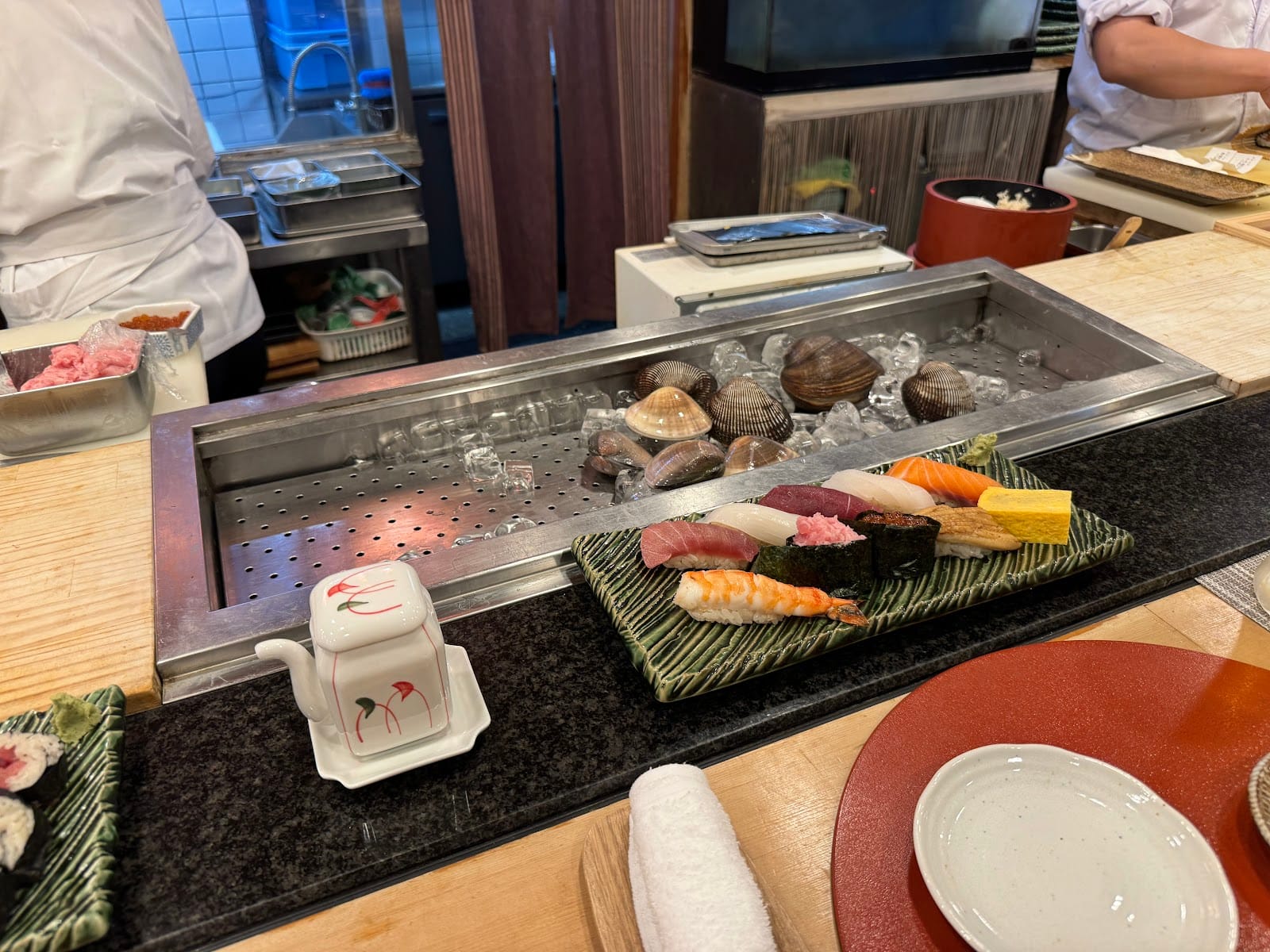
Asakusa Sushi Ken, located in the Taito area near the famous Senso-ji Temple district, is popular with Muslim tourists visiting Asakusa. It is halal-certified by the Japan Halal Foundation (our records, checked August 2026). The restaurant also serves alcohol, so ask about its alcohol policy when booking.
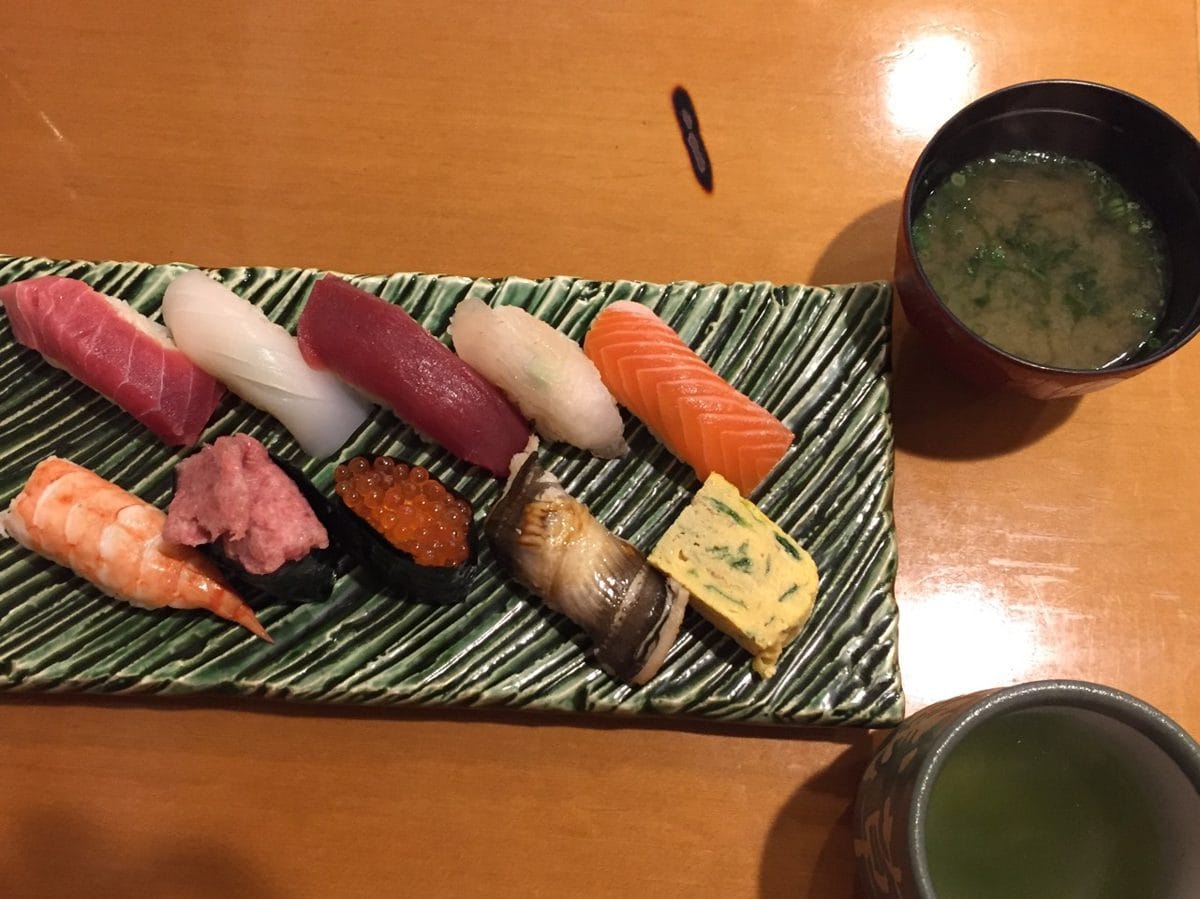
“Love the food here. So fresh and tasty. Alhamdulillah it is quite easy to find. Will come again InsyaAllah.” — Halal Navi user review
Sushi Restaurant FUJIYAMA TOKYO (Shinjuku East, Shinjuku City) is a Muslim-friendly sushi restaurant in central Shinjuku — a convenient sit-down option for travellers staying or sightseeing around Shinjuku Station. Confirm its current halal and alcohol policy directly when visiting.
SANGA.TOKYO Halal Sushi & Wagyu Restaurant Kagurazaka in Shinjuku City is a premium halal sushi and wagyu experience — reservations are required. This is an excellent choice for a special halal dining occasion in Tokyo, combining sushi with Japan's famous wagyu beef.
Is Sushi Halal Outside Tokyo? Options in Kyoto, Osaka, and Beyond
Japan's sushi culture extends well beyond the capital, but dedicated halal sushi outside Tokyo is much rarer, and some venues that previously catered to Muslim diners have since closed. For 2026 we could not independently verify a dedicated halal sushi restaurant in Kyoto, Osaka, or other regions that we would confidently recommend here.
If you are travelling outside Tokyo, the safest approach is to:
- Use the Halal Navi app to check for current, user-verified halal or Muslim-friendly sushi listings in your specific destination, as availability changes frequently.
- Apply the ingredient-check approach above — ask about mirin, sake, and cross-contamination — at any sushi restaurant you consider.
- Consider halal options in other cuisines if dedicated halal sushi is unavailable in your area.

📱 Find halal restaurants, prayer rooms and Muslim-friendly places across Japan with the free Halal Navi app.
Download on the App Store · Get it on Google Play
Prayer Facilities and Muslim-Friendly Travel Tips for Sushi Outings
Eating halal sushi in Japan is one part of the Muslim travel experience — prayer and other needs matter too. Here are some practical pointers:
- Prayer rooms: Major shopping centers and train stations in Tokyo, Osaka, and Kyoto increasingly offer prayer spaces. Narita International Airport has documented prayer rooms in Terminal 1 and Terminal 2. The Halal Navi app includes prayer facility locations to help you plan your day around salah times.
- Qibla direction: Japan's qibla faces roughly west-northwest (approximately 293° from Tokyo). Most Muslim prayer apps will calculate this precisely for your location.
- Female-friendly dining: Many halal sushi restaurants in Japan are family-run or small-format, making them comfortable for female solo travelers and families. When in doubt, check Halal Navi reviews from other Muslim travelers.
- Alcohol-free soy sauce: Some halal sushi restaurants stock halal soy sauce (without alcohol). Ask the staff — this is an easy accommodation that many Muslim-friendly venues are happy to provide.
- Halal certification: Japan does not have a single national halal certification body. Certifications may come from various organisations. When a restaurant claims halal certification, ask to see the certificate and note the issuing body. The Halal Navi app flags venues with verified documentation.
Where to eat this
If you would rather not check every dish yourself, start from a list we keep:
- Halal restaurants in Tokyo
- Halal restaurants in Osaka
- Halal grocery stores — if you are cooking in your accommodation instead.
Each venue page shows what we could verify about its halal status, and what we could not.
Frequently Asked Questions: Is Sushi Halal?
Is plain fish sushi halal for Muslims? Fish is halal for the majority of Muslims under most schools of Islamic jurisprudence. Plain nigiri sushi with fish — such as salmon, tuna, or sea bream — is generally permissible, provided the rice seasoning does not contain mirin or sake, and there is no cross-contamination with pork or alcohol-based products. Always confirm preparation methods with the restaurant.
Does sushi rice contain alcohol? Traditional sushi rice is seasoned with rice vinegar, which is generally considered halal. However, many sushi chefs also add mirin or sake to the rice or sauces — both of which are alcoholic and not halal. Always ask specifically whether alcohol is used in the sushi rice or any accompanying sauces.
Is shrimp sushi halal? Shrimp is halal according to the Shafi'i, Maliki, and Hanbali schools of thought. The Hanafi school, however, considers shrimp and certain other shellfish to be at minimum makruh (disliked) or prohibited. Know your own madhab and decide accordingly.
Can I find halal sushi in Japan outside of Tokyo? Dedicated halal sushi is concentrated in Tokyo and is much rarer elsewhere — and some previously listed regional venues have since closed. Outside Tokyo, use the Halal Navi app to check for current, user-verified listings in your specific destination, and apply the ingredient-check approach (ask about mirin, sake, and cross-contamination) at any sushi restaurant.
How do I ask about halal sushi in Japanese? A useful phrase is: "Halal desu ka?" (ハラールですか?) — "Is this halal?" You can also say "Arukōru nashi de onegaishimasu" (アルコールなしでお願いします) — "Please, without alcohol." Showing the Halal Navi app listing for the restaurant can also help staff understand your dietary requirements.
Are sushi restaurants in Japan required to disclose allergens and alcohol content? Japan has food labeling regulations, but disclosure requirements at restaurants differ from packaged food rules. Staff may not always be aware of every ingredient. Visiting dedicated Muslim-friendly or halal-certified restaurants removes most of this uncertainty.
Is it safe for Muslim travelers to eat at regular sushi chains in Japan? Most mainstream sushi chains in Japan use alcohol in their rice seasoning and sauces, and their kitchens are not segregated. While some menu items may technically consist of halal ingredients, cross-contamination and alcohol use in preparation make them unsuitable for observant Muslims. Dedicated halal or Muslim-friendly venues are the safer choice.
Is Sushizanmai halal? No. Sushizanmai is a popular mainstream sushi chain, but it is not halal-certified and is not a dedicated halal restaurant. As with most chain and conveyor-belt sushi in Japan, its rice seasoning and sauces can contain mirin or other alcohol, and its kitchens are not separated from non-halal ingredients. Observant Muslim travelers should treat Sushizanmai as unsuitable and choose a dedicated halal or Muslim-friendly sushi restaurant instead — see the Tokyo options above.
Discover Halal Sushi in Japan with the Halal Navi App
Navigating Japan's food scene as a Muslim traveler has never been easier. The Halal Navi app gives you:
- A searchable map of halal and Muslim-friendly restaurants, including sushi venues, across Japan
- Real-time listings with user reviews from fellow Muslim travelers
- Prayer room locations and qibla direction tools
- Halal certification details and alcohol/pork policy notes for listed venues
Whether you're seeking a dedicated halal sushi restaurant in Tokyo or simply need to check whether a dish is alcohol-free before you order, Halal Navi has you covered.
Download the Halal Navi app today — available on the App Store and Google Play — and travel Japan with confidence, one halal sushi plate at a time.
About this article
Written and halal-verified by Zeshan Hayat, CMO & Head Halal Auditor, Halal Navi.
Update policy: If you spot outdated information, we will review and correct it within 7 days.
Disclosure: Halal Navi receives no payment from any restaurant or hotel in exchange for inclusion, and all recommendations reflect independent editorial judgment based on Muslim-friendly criteria. Some articles contain affiliate booking links (e.g. Trip.com); if you book through one, Halal Navi may earn a small commission at no extra cost to you.
Last verified: 2026-06-23