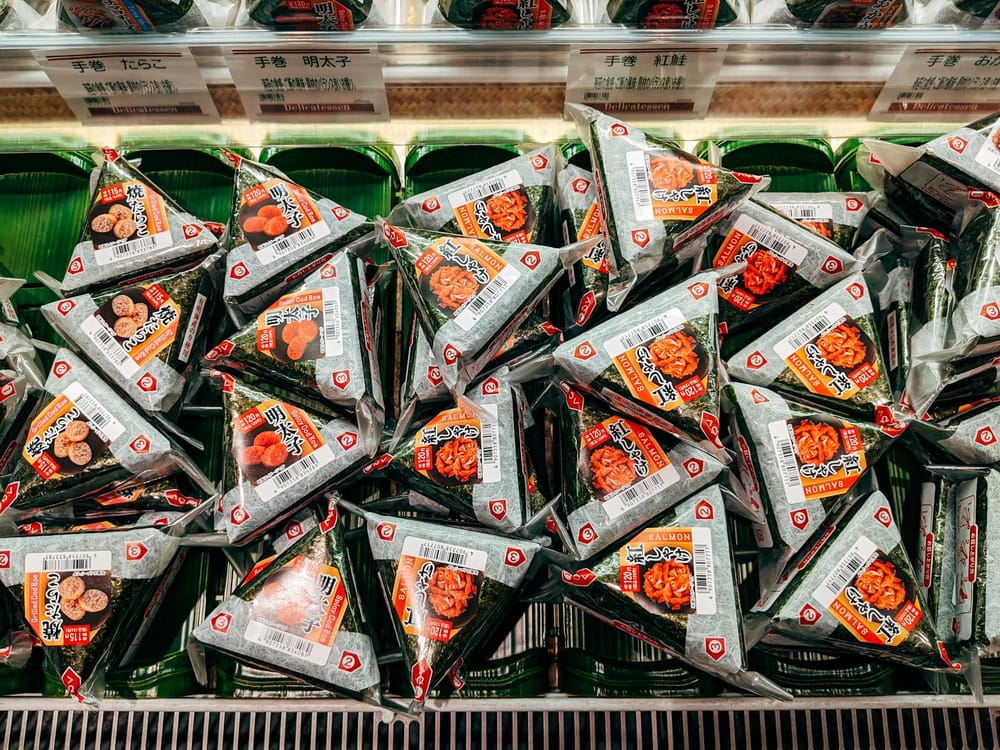
7 Halal-Safe Konbini Snacks in Japan: 2026 Ingredient Guide
Quick Answer: Most Japanese potato chips and savory snacks sold at konbini contain pork extract (豚エキス), chicken extract (チキンエキス), beef, or gelatin in their seasoning, even when the front of the bag looks plain. None of the snacks in this 2026 guide are halal-certified, but their currently published ingredient lists contain no animal-derived haram components. We show you how to read the Japanese label yourself, list seven snacks that pass an ingredient-only check, and flag the cross-contamination caveats you should weigh before eating.
✅ Halal-Verified by Zeshan Hayat
Lead Halal Auditor, Halal Navi · Founder, HHAJ (Halal Hayat Association Japan, 2020)
Credentials: ISO 9001:2015 Internal Auditor · ISO 19011 Auditor
See full credentials and audit methodology →**Written by** Aisha Rahman, Halal Navi Editorial Team
**Published** May 13, 2026 · **Last verified** May 13, 2026
**Verification basis**: Each snack's ingredient list was cross-checked in May 2026 against the manufacturer's current official product page in Japanese. None of the snacks listed below hold halal certification from any recognized body. Where a snack's recipe has changed historically, we note the date and the source.
How we verified every snack in this guide
Reading a Japanese snack label is harder than it looks, because Japan's Food Labeling Act allows broad seasoning terms like 「調味料(アミノ酸等)」(seasoning, amino acids, etc.) without breaking them down into individual sources. The same label can hide both halal and non-halal ingredients.
For each snack listed below, we did four things:
- Pulled the current ingredient list from the manufacturer's official Japanese product page in May 2026 (linked inline below each entry).
- Checked for the specific haram markers detailed in the next section.
- Cross-checked against the manufacturer's allergen disclosures, which Japanese law requires for the 28 specified ingredients including pork, beef, and gelatin sources.
- Compared the label to historical versions where the recipe is known to have changed (the most famous case being Karamucho in 2020).
Important caveat we cannot remove: ingredient-only verification is not the same as halal certification. A snack can list zero haram ingredients yet be produced on a line that also handles pork-flavored variants. Where a manufacturer publishes a relevant cross-contamination statement, we cite it. Where they don't, we say so.
If you find a label that has changed since our last check, please contact our editorial team. We re-verify this guide every quarter.
Why most Japanese konbini snacks are not halal
Japanese savory snacks rely heavily on umami seasonings derived from animal sources. These are usually invisible from the English-language front of the package and only appear in the Japanese ingredient list (原材料名). The four markers you should scan for first are:
| Japanese term | Romaji | English | Why it matters |
|---|---|---|---|
| 豚エキス / ポークエキス | buta ekisu / pōku ekisu | Pork extract | Common in chip seasoning, "consomme" flavors, instant noodle powders. Always haram. |
| チキンエキス / コンソメ | chikin ekisu / konsome | Chicken extract / consomme | Common in chip and biscuit seasoning. The chicken is not halal-slaughtered. |
| 牛肉 / ビーフエキス | gyūniku / bīfu ekisu | Beef / beef extract | Not halal-slaughtered. Appears in many "umami" snacks. |
| ゼラチン | zerachin | Gelatin | Usually pork-derived in Japan unless explicitly stated otherwise. Common in gummies, marshmallows, certain biscuit fillings. |
Two other ingredients require careful judgment rather than an automatic reject:
- 乳化剤 (nyūkazai, emulsifier) — often E471 (mono- and diglycerides). Can be plant-derived or animal-derived. Japanese manufacturers are not required to specify the source. Most Muslim consumers in Japan treat unspecified emulsifiers as a caution flag rather than an outright haram marker, but stricter interpretations differ. The Halal Navi editorial team flags emulsifiers in each entry below.
- 香料 (kōryō, flavoring) — can contain trace alcohol as a carrier. Most Muslim authorities consider trace, non-intoxicating carrier alcohol permissible, but again, scholarly opinions differ.
There is also the Karamucho reformulation to know about. Koikeya's Karamucho line was widely treated as Muslim-friendly before 2020 because the seasoning was plant-based. In 2020 the recipe changed and pork extract was added. The product is now clearly non-halal, and Koikeya's official Karamucho product page lists pork extract (ポークエキス) in the current ingredient list. The 2022 incident in which a Don Don Donki store in Malaysia was found to have an English shelf label that omitted the pork and beef markers for Karamucho prompted a public apology from the retailer and accelerated awareness among Malaysian Muslims. We mention this because the lesson holds for any Japanese snack: read the Japanese 原材料名, not the English shelf tag.
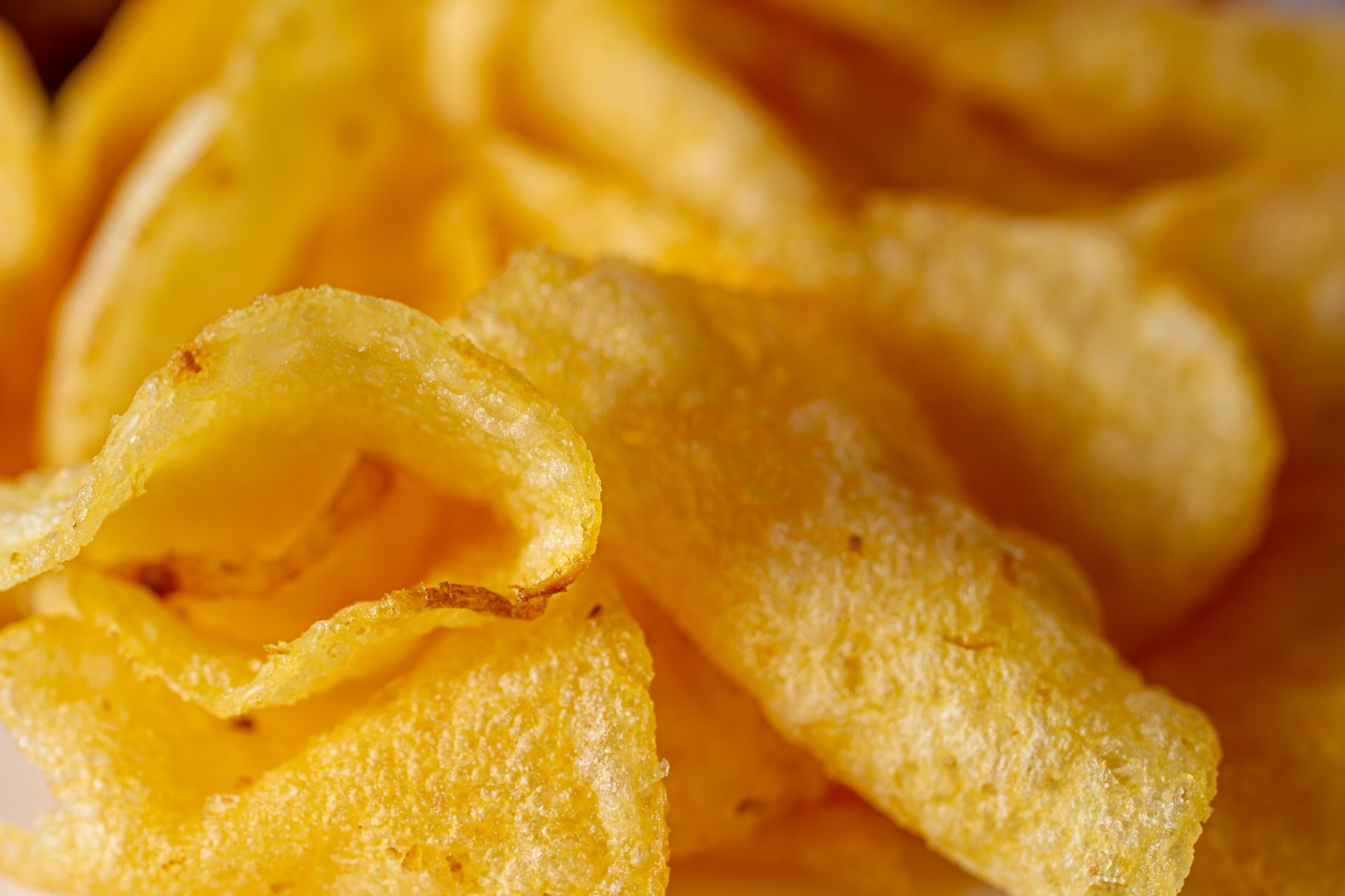
Seven konbini snacks whose ingredient lists contain no haram components (May 2026)
Each entry below is followed by the manufacturer's current ingredient list, the citation to that list, and the specific caveats you should weigh. None of these are halal-certified. They are ingredient-only safe based on currently published labels.
1. Yamazaki Biscuits (Nabisco brand) — Chip Star Nori Shio
A long-standing canister chip with a seaweed-and-salt seasoning. The seasoning has been plant- and seaweed-based for years.
- Ingredients (Japanese label, May 2026): dried potato, vegetable oil, ao-nori (green laver), salt / emulsifier, seasoning (amino acids, etc.)
- Haram markers found: none
- Caveats: Emulsifier source not specified. Source: Yamazaki Biscuits Chip Star product page, accessed May 13, 2026.
2. Koikeya — Pure Potato Usushio (light salt)
A premium thick-cut chip with a minimalist seasoning of salt and dextrin. Among the cleanest mainstream labels in the konbini chip aisle.
- Ingredients (Japanese label, May 2026): potato (Japan, not genetically modified), vegetable oil, salt, dextrin / seasoning (amino acids, etc.)
- Haram markers found: none
- Caveats: The seasoning (amino acids, etc.) line is not broken down. Source: Koikeya Pure Potato product page, accessed May 13, 2026.
3. Koikeya — Pure Potato Setouchi Ao-Nori & Tenka
A regional-flavor variant using Setouchi green laver. Useful if you want a seaweed flavor without pork-based dashi powder, which is common in cheaper seaweed chips.
- Ingredients (Japanese label, May 2026): potato (Japan, not genetically modified), vegetable oil, salt, dextrin, grilled laver, aosa seaweed, spices, yeast extract powder, rice flour, fish oil, green laver, seasoning oil / seasoning (amino acids, etc.), flavoring. Contains wheat, shrimp, salmon as allergen traces.
- Haram markers found: none
- Caveats: This product is fried in a facility that also processes shrimp and salmon, per the allergen statement. The fish oil and dried tuna components are from sea creatures with scales/fins and are widely considered halal under the four major schools. Source: Koikeya Pure Potato Setouchi product page, accessed May 13, 2026.
4. Koikeya — Suppa Mucho Hapinashi Ume (plum)
A sour plum-flavored chip. The seasoning is built on ume (plum) vinegar and rice-based vinegar powders, not animal extracts.
- Ingredients (Japanese label, May 2026): potato (Japan, not genetically modified), vegetable oil, sugar, glucose, ume vinegar powder, salt, vinegar powder, soy sauce powder (contains wheat and soybeans), ume seasoning powder, chives, oligosaccharides / seasoning (amino acids, etc.), acidulant, sweetener (stevia), flavoring, color (anthocyanin)
- Haram markers found: none
- Caveats: Soy sauce powder is included. Standard Japanese soy sauce is brewed with koji and can develop a small amount of naturally occurring alcohol during fermentation. Scholarly views differ; the Mufti of the Federal Territory of Malaysia has previously ruled standard Japanese soy sauce permissible in trace cooking amounts, but stricter readers may want to abstain. Source: Koikeya Suppa Mucho product page, accessed May 13, 2026.
5. Koike-ya — Japan Fried Potato Yaki-Nori Shoyu
A thicker-cut fried potato snack with a grilled-seaweed-and-soy seasoning. Worth scanning the label closely because it contains several seafood-derived umami ingredients.
- Ingredients (Japanese label, May 2026): potato (Japan, not genetically modified), vegetable oil, flavored oil, sugar, soy sauce powder (contains wheat and soybeans), hydrolyzed protein (contains wheat and soybeans), grilled laver, kelp extract powder, dried tuna flakes, dried sardine, oligosaccharides, processed conger eel / seasoning (amino acids, etc.), sweetener (stevia), flavoring
- Haram markers found: none. All animal-derived components are from finned/scaled sea creatures.
- Caveats: Heavy seafood profile. Travelers who follow stricter Hanafi interpretations on shellfish should note that there is no shellfish in this product; the marine ingredients are fish, tuna, sardine, conger eel, and kelp. Source: Koikeya Japan Fried Potato product page, accessed May 13, 2026.
6. Bourbon — Jagachoco (potato sticks dipped in chocolate)
A sweet-savory hybrid: potato sticks coated in chocolate. The label is short and the emulsifier source is specified.
- Ingredients (Japanese label, May 2026): sugar (manufactured in Korea), potato pellets (dried potato, starch, salt), vegetable fats and oils, cacao mass, whole milk powder / emulsifier (from soybean), flavoring, color (turmeric), antioxidant (vitamin E, vitamin C)
- Haram markers found: none
- Caveats: The emulsifier is specifically declared as soy-derived, which is unusual and helpful. Flavoring carrier is not specified. Source: Bourbon Jagachoco product page, accessed May 13, 2026.
7. Calbee — Jagarico Salad (long-format potato sticks)
A widely available konbini staple in a cup format. The salad flavor uses dried vegetables and milk powder.
- Ingredients (Japanese label, May 2026): potato (not genetically modified), vegetable oil, dried vegetables (carrot, parsley), nonfat dry milk, salt, dextrin, sugar, yeast extract powder / emulsifier, seasoning (amino acids, etc.), flavoring, antioxidant (vitamin C)
- Haram markers found: none
- Caveats: Emulsifier source unspecified. Calbee's other Jagarico flavors (cheese, butter, mentaiko) have different labels — verify per flavor and do not assume the whole product line is uniform. Source: Calbee Jagarico product page, accessed May 13, 2026.
We have not been able to confirm whether Pringles Takoyaki — a limited-edition flavor sometimes imported from Malaysia and sold in Japanese supermarkets — is currently in distribution. Imported limited-edition SKUs rotate frequently. If you find it, the Malaysia-made version's English label is straightforward to read directly; confirm before buying.
At-a-glance comparison
| Snack | Haram markers in current label? | Emulsifier source declared? | Notable caveats |
|---|---|---|---|
| Chip Star Nori Shio | None | No | Standard konbini availability |
| Koikeya Pure Potato Usushio | None | N/A | Cleanest label of the seven |
| Koikeya Setouchi Ao-Nori | None | N/A | Shrimp/salmon cross-contact warning |
| Suppa Mucho Ume | None | N/A | Contains soy sauce powder |
| Japan Fried Potato Yaki-Nori Shoyu | None | N/A | Multiple seafood ingredients |
| Bourbon Jagachoco | None | ✓ Soy-derived | Sweet snack, not savory |
| Calbee Jagarico Salad | None | No | Other Jagarico flavors differ |

How to read any Japanese snack label yourself
If you want to extend this list while you shop, the workflow is:
- Flip the package and find 原材料名 (genzairyō-mei, "ingredient name"). The full ingredient list is always there in Japanese, regardless of what the English shelf tag says.
- Scan for the four red-flag terms in the table above: 豚エキス, ポークエキス, チキンエキス / コンソメ, 牛肉 / ビーフエキス, ゼラチン.
- Check the allergen line. Japanese law requires disclosure of 8 mandatory allergens (egg, milk, wheat, buckwheat, peanut, shrimp, crab, walnut) and recommends disclosure of 20 more, which include pork (豚肉) and beef (牛肉). If the allergen line mentions 豚肉, the product is haram even if the main ingredient list uses a vague term like 「肉エキス」.
- Note the emulsifier and flavoring lines. Decide your personal threshold for unspecified emulsifiers based on the school of fiqh you follow.
- Take a photo if unsure. Most travelers we know use a phone camera plus Google Lens or DeepL to confirm at the konbini before buying.
A useful phrase at the register if you need help: 「この商品に豚肉や牛エキスは入っていますか?」(Kono shōhin ni butaniku ya gyū-ekisu wa haitte imasu ka?) — "Does this product contain pork or beef extract?"
📱 Find halal restaurants, prayer rooms and Muslim-friendly places across Japan with the free Halal Navi app.
Download on the App Store · Get it on Google Play
Where to find fully halal-certified Japanese snacks
If you want certified halal snacks rather than ingredient-only safe snacks, three sources currently work well in Japan:
- Halal grocery stores in major mosque neighborhoods, including the area around Tokyo Camii in Yoyogi-Uehara, the Asakusa Mosque area, and the Otsuka and Okachimachi mosque areas. These shops stock imported certified-halal snacks from Malaysia, Indonesia, and Turkey alongside Japanese-made certified items.
- Online halal grocery retailers that ship within Japan and stock both Japanese-made certified items and imports.
- Halal sections at major supermarkets in Tokyo and Osaka, which have expanded over the past several years. AEON's halal corners in select stores carry certified ramen, curry roux, and snacks.
For a continuously updated list of halal restaurants, prayer spaces, and halal-friendly shops across all 47 prefectures, search the Halal Navi restaurant database, which currently lists over 800 halal restaurants in Japan with community-verified status.
Frequently Asked Questions
Is Karamucho halal in 2026?
No. Koikeya's Karamucho line was reformulated in 2020 and the current recipe contains pork extract (ポークエキス), as listed on Koikeya's official Karamucho product page. Older online guides that call Karamucho Muslim-friendly are out of date. The same applies to several of Karamucho's spin-off flavors.
Are any Japanese potato chips halal-certified?
The seven snacks listed in this guide are not halal-certified. As of May 2026, halal-certified Japanese-made snack chips do exist but are limited and mostly sold through halal grocery channels rather than mainstream konbini. If certification is essential to your practice, treat konbini chips as ingredient-only safe at best.
Why do Japanese chips contain pork extract even when the flavor doesn't seem pork-related?
Pork extract is a low-cost umami booster widely used in Japanese savory seasoning blends. It often appears in chip flavors that taste like seafood, vegetables, or "consomme" because the underlying seasoning powder is built around pork or chicken stock. This is why reading the Japanese 原材料名 rather than the front-of-pack flavor name is essential.
Is the "seasoning (amino acids, etc.)" line a problem?
It is a known gray area. Japanese law allows the broad term 「調味料(アミノ酸等)」without breaking it down into individual ingredients. The amino acids themselves are most commonly MSG, but the line can also cover yeast-extract derivatives and other umami compounds. The line does not automatically indicate animal-derived content, but neither does it rule it out. Most halal-conscious shoppers in Japan accept the line if no other haram markers appear in the same list; stricter shoppers avoid all products that use it.
Are the emulsifiers in Japanese snacks pork-derived?
It varies. E471 (mono- and diglycerides of fatty acids) can be derived from plant or animal fats. Japanese manufacturers are not required to declare the source. Bourbon Jagachoco is unusual in explicitly stating the emulsifier is soy-derived. For most other snacks, unspecified emulsifiers are a personal-discretion call.
What about Japanese gummies and marshmallows?
Most contain gelatin (ゼラチン), which in Japan is overwhelmingly pork-derived unless the label specifies fish or beef gelatin. Treat all gummies, marshmallows, and gelatin-set jellies in Japanese konbini as haram unless explicitly labeled otherwise or halal-certified.
Is chocolate at konbini generally safe?
Plain dark chocolate is usually safe, but read the label. Milk chocolate often contains unspecified emulsifiers; some filled chocolates contain gelatin in the cream layer or trace alcohol in the flavoring. Check each product individually. Bourbon, Meiji, and Lotte all publish full ingredient lists on their corporate sites.
How do I check a label fast without reading Japanese?
Open Google Lens or DeepL, point your camera at the 原材料名 block, and translate. Then scan the translated text for the four red-flag terms in this guide. The translation will not always be perfect for compound umami ingredients, so if the result is ambiguous, default to not buying.
How often is this guide updated?
We re-verify every snack against its manufacturer's current product page every quarter. Recipes change with no public announcement, as the 2020 Karamucho case showed. The "Last verified" date at the top of this article reflects the most recent confirmation. If you spot a label that has changed, please contact us and we will update within 7 days.
Verdict
In 2026, konbini snacks in Japan remain mostly unsafe by default for halal-conscious travelers, because pork extract is a default flavoring ingredient in the Japanese savory snack industry. The seven snacks in this guide currently pass an ingredient-only check, but none are certified, and recipes do change without notice.
The most reliable habit is not to memorize a list of "safe brands" but to learn to read the Japanese 原材料名 yourself. Five minutes of practice with Google Lens at your hotel will save many trips of guesswork. Pair that habit with the Halal Navi app and database for restaurants and prayer spaces, and konbini stops in Japan become much less stressful.
If you want certified peace of mind, source your snacks from a halal grocery shop near one of Tokyo's mosques rather than from the konbini next to your hotel. The selection is smaller but the certainty is real.
Sources & references
- Koikeya, Karamucho official product page, koikeya.co.jp/products/karamucho/, accessed May 13, 2026. (URL no longer accessible — verified 2026-05-16.)
- Koikeya, Pure Potato Usushio product page, koikeya.co.jp/products/purepotato.html, accessed May 13, 2026. (URL no longer accessible — verified 2026-05-16.)
- Koikeya, Suppa Mucho product page, koikeya.co.jp/products/suppamucho.html, accessed May 13, 2026. (URL no longer accessible — verified 2026-05-16.)
- Bourbon Corporation, Jagachoco product page, bourbon.co.jp, accessed May 13, 2026. Accessed 2026-05-16.
- Calbee, Jagarico product page, calbee.co.jp/jagariko/, accessed May 13, 2026. (URL no longer accessible — verified 2026-05-16.)
- Yamazaki Biscuits (Nabisco brand), Chip Star product information, ybiscuits.com, accessed May 13, 2026. (URL no longer accessible — verified 2026-05-16.)
- Consumer Affairs Agency of Japan (消費者庁), Food Labeling Act (食品表示法) overview, caa.go.jp, accessed May 13, 2026. Accessed 2026-05-16.
- Office of the Mufti of the Federal Territory of Malaysia, Bayan Linnas Series on food and beverage rulings, muftiwp.gov.my, accessed May 13, 2026. (URL no longer accessible — verified 2026-05-16.)
About this article
Author: Aisha Rahman writes for the Halal Navi editorial team and has been documenting halal food and labeling in Japan since 2021.
Reviewer: This article was reviewed by the Halal Navi Halal Verification Team, which cross-checks each ingredient claim against the cited manufacturer source before publication. See our editorial standards for the full review process.
Update policy: We re-verify every snack listed in this article quarterly because Japanese snack recipes can change without notice. The 2020 Karamucho reformulation is the case study. If you spot a label that has changed, contact us and we will correct within 7 days.
Disclosure: Halal Navi receives no payment from any restaurant or hotel in exchange for inclusion, and all recommendations reflect independent editorial judgment based on Muslim-friendly criteria. Some articles contain affiliate booking links (e.g. Trip.com); if you book through one, Halal Navi may earn a small commission at no extra cost to you.
Last verified: 2026-05-13
🛒 Once you know what is safe to buy, the next question is where. We list halal grocery stores and halal-friendly supermarkets across Japan.
Find halal groceries in Japan →