Is Japanese Wagashi Halal? Mochi, Daifuku and Dorayaki
Quick Answer: Whether Japanese wagashi is halal depends on the specific sweet and its ingredients — there is no single answer. Many traditional wagashi rely on plant-based ingredients such as glutinous rice flour, azuki bean paste (anko), agar-agar (kanten), and sugar, which are free from obvious haram substances. However, hidden risks exist across popular types: mochi may contain alcohol-based flavorings or pork-derived emulsifiers; dorayaki batter commonly includes mirin (sweet rice wine, approximately 14% ABV); and some artisan anko fillings use sake or mirin for depth of flavor. Classic plain yokan is generally considered the lowest-risk option, while plain daifuku and simple namagashi are commonly reported as safe. Formally halal-certified wagashi shops remain rare in Japan as of 2026, so Muslim travelers are advised to check ingredient labels for "みりん," "清酒," or "アルコール" and confirm directly with vendors before purchasing.
Japanese wagashi — the delicate, artisan confectionery that has been part of Japanese culture for centuries — is one of the most tempting souvenirs and snack experiences for any traveler visiting Japan. For Muslim travelers, the big question is: is Japanese wagashi halal? Specifically, are popular treats like mochi, daifuku, and dorayaki safe to eat? The answer is nuanced. While many traditional wagashi ingredients are plant-based and free of obvious haram substances, hidden risks do exist — from mirin and alcohol-based flavorings to animal-derived gelatin and lard in fillings. This 2026 guide breaks down exactly what to look for, what to avoid, and where Muslim travelers can enjoy wagashi with greater confidence across Japan.
What Is Wagashi and Why Does It Matter for Halal Wagashi Japan?
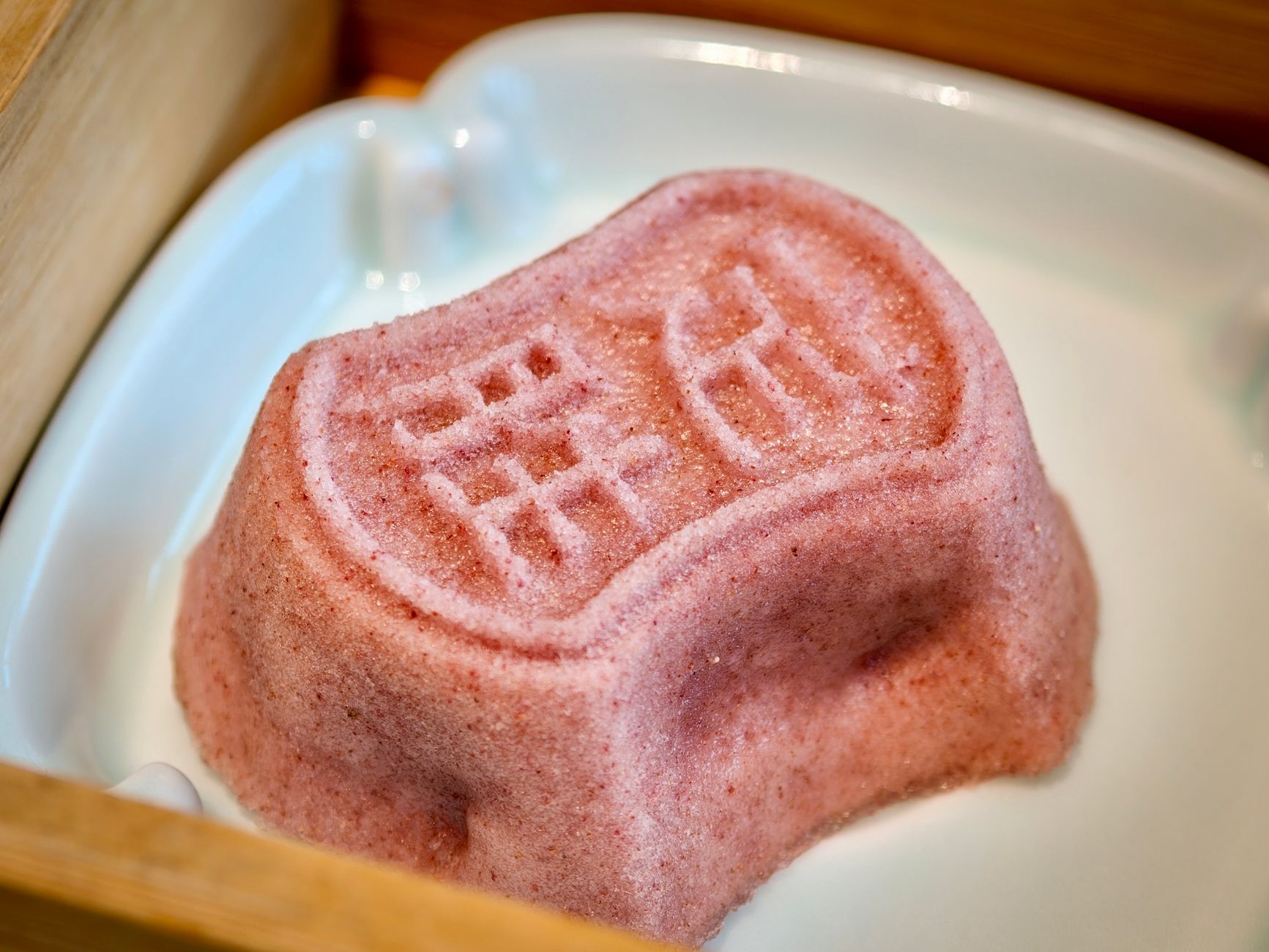
Wagashi (和菓子) is the umbrella term for traditional Japanese sweets, typically made to accompany green tea. They range from simple rice cakes to elaborately molded seasonal confections. The main ingredients in classic wagashi include:
- Mochiko or shiratamako (glutinous rice flour) — the base of mochi and daifuku
- Anko (sweet red bean paste) — the most common filling
- Waguri (chestnuts), matcha (green tea powder), and sesame
- Sugar — usually refined cane or beet sugar
- Kanten (agar-agar) — a seaweed-derived gelling agent, widely used in wagashi instead of gelatin
At first glance, this sounds clean from a halal perspective. However, manufacturers sometimes add mirin (rice wine), sake-based flavorings, or use processing aids that are not halal-certified. Some modern wagashi also incorporate Western-style ingredients such as butter, fresh cream, and eggs — which are not intrinsically haram but could be cross-contaminated. Understanding each sweet type individually is the most reliable approach.
Is Mochi Halal? What Muslim Travelers Need to Know
Mochi is made by pounding glutinous rice (mochigome) into a sticky, elastic dough. Plain mochi — the kind sold at New Year (kagami mochi) or used in ozoni soup — contains just glutinous rice, water, and sometimes a pinch of salt. In its most basic form, plain mochi has no haram ingredients.
The concern arises with:
- Flavored mochi: Commercially packaged mochi sold at convenience stores or souvenir shops may contain sake-based flavorings, wine vinegar, or alcohol-based preservatives listed on the label as "アルコール" (arukōru).
- Cream-filled mochi (ice cream mochi): Some brands use emulsifiers derived from pork (e.g., pork-derived mono- and diglycerides) — look for E-numbers 471, 472, and 481.
- Mochi in broth: Ozoni (mochi soup) is almost always made with dashi (fish or chicken stock), which may include mirin or sake.
Practical tip: When buying packaged mochi in Japan, look for products that explicitly state "アルコール不使用" (no alcohol used) or carry a halal certification seal. For freshly made mochi at festivals or specialty shops, politely ask whether alcohol is used in production. Most artisan wagashi makers are forthcoming about their ingredients if you ask via translation app.

Is Daifuku Halal? Breaking Down This Popular Rice Cake
Daifuku (大福) is a soft mochi wrapper filled with sweet anko (red bean paste), and it is arguably the most beloved wagashi format worldwide. The classic version — plain mochi skin with smooth or chunky anko — is typically free from pork and alcohol.
However, daifuku has evolved significantly. Modern variations include:
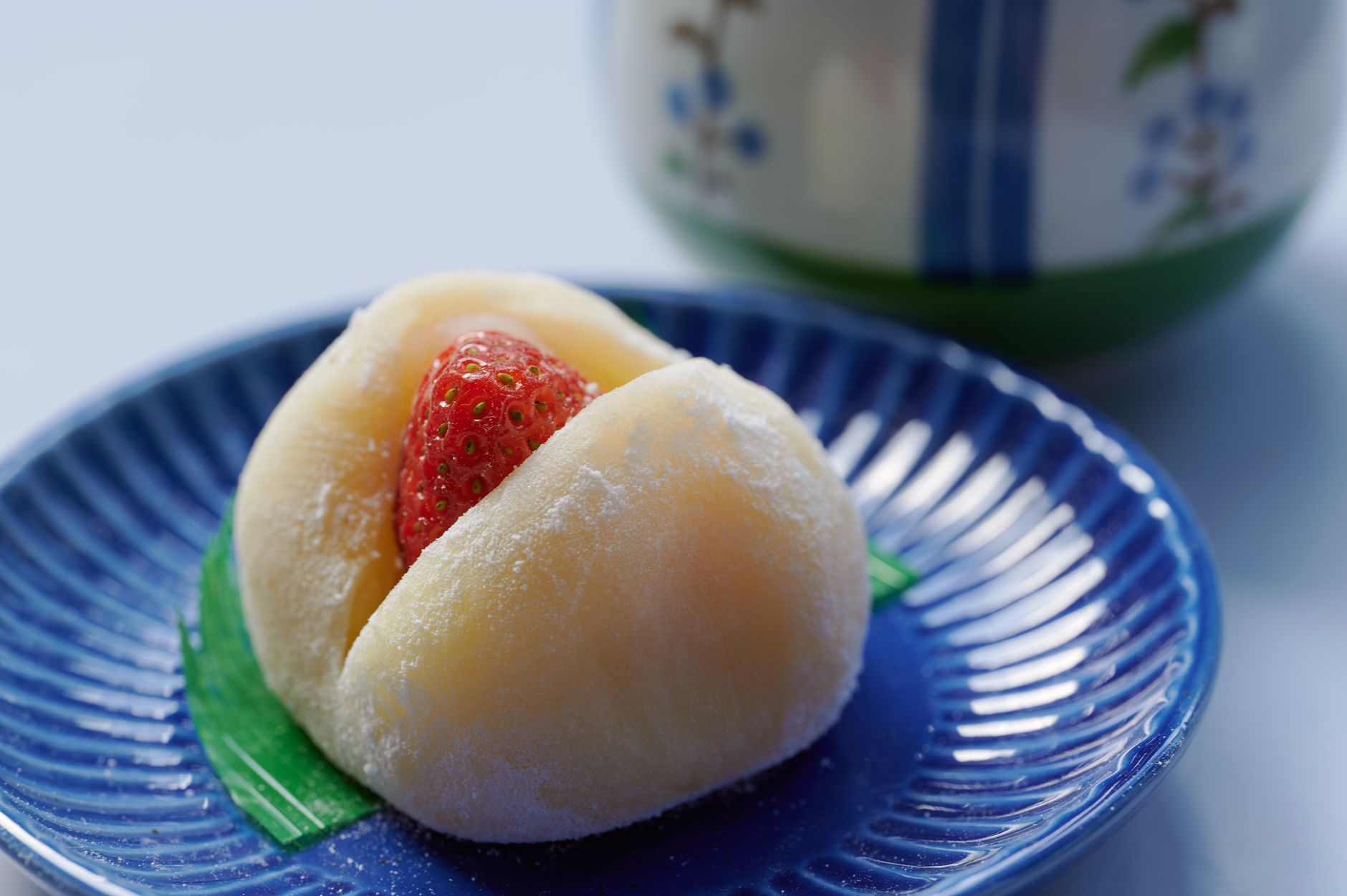
- Ichigo daifuku (strawberry daifuku): mochi + anko + fresh strawberry. The strawberry itself is fine; the risk is any glaze or coating applied to the exterior.
- Cream daifuku: filled with fresh whipped cream or custard. The cream itself is halal, but some custard versions use vanilla extract, which in Japan is sometimes alcohol-based.
- Matcha daifuku: generally safe unless matcha flavoring (not pure powder) is used with alcohol-based stabilizers.
The anko filling deserves special mention. Traditional red bean paste uses only azuki beans, sugar, and water. However, some commercial anko products use small amounts of sake or mirin to enhance umami depth — a practice borrowed from traditional Japanese cooking. This is not universal, but it does exist in higher-end and artisan products. Always check the label or ask the vendor.
Is Dorayaki Halal? The Pancake Sweet Every Muslim Traveler Wants to Try
Dorayaki (どら焼き) consists of two small pancakes sandwiching a layer of anko. The pancake batter typically uses flour, eggs, sugar, honey, and baking soda. None of these ingredients are inherently haram. The concern points for dorayaki are:
- Mirin in the batter: Many traditional dorayaki recipes use mirin (sweet rice wine, approximately 14% ABV) to give the pancakes a glossy, slightly caramelized finish. This is a significant haram risk and is common even in artisan-made dorayaki.
- Anko filling: Same concerns as daifuku above — commercial fillings may contain trace alcohol.
- Whipped cream or butter fillings: Modern fusion dorayaki sometimes uses cream cheese or flavored butter; these are not haram but may be from non-halal-certified sources.
Packaged dorayaki sold at convenience stores like 7-Eleven and FamilyMart will list ingredients clearly. Look for "みりん" (mirin) or "清酒" (sake) in the ingredients list — these are the two main flags to avoid. If neither appears, the product is more likely to be halal-conscious, though it may not carry formal certification.
Other Wagashi Types: Yokan, Manjū, and Namagashi
Beyond mochi, daifuku, and dorayaki, Muslim travelers will encounter a wide variety of other wagashi. Here is a quick breakdown:
Yokan is a firm, jelly-like block made from anko, kanten (agar), and sugar. Because it uses agar rather than gelatin, yokan is naturally pig-free. The main risk is alcohol-based flavorings, particularly in premium or limited-edition variants. Classic plain yokan and matcha yokan from established confectionery brands are generally considered low-risk by Muslim travelers, though none carry formal halal certification as a rule.
Manjū (steamed buns with sweet fillings) use wheat flour, rice flour, or kudzu starch as the skin. The filling is typically anko. Some regional manjū use sake in the dough for flavor and texture — this is more common in Kyoto-style and Kyushu-style manjū. Always verify the ingredient list.
Namagashi (raw/fresh wagashi) are the exquisitely shaped seasonal sweets served at tea ceremonies. These are made fresh daily and rarely carry ingredient labels. They typically contain mochiko, nerikiri (white bean paste), and natural coloring — most of which are plant-based. However, because they are artisanal and unlabeled, Muslim travelers should confirm directly with the shop.
📱 Find halal restaurants, prayer rooms and Muslim-friendly places across Japan with the free Halal Navi app.
Download on the App Store · Get it on Google Play
Where to Buy Halal-Friendly Wagashi and Japanese Sweets in Japan
Finding wagashi that is either halal-certified or clearly free from alcohol and pork requires some legwork, but dedicated Muslim-friendly shops do exist.
In Osaka, JAPANeid Osaka in the Nishi area is a Muslim-friendly souvenir and snack shop that specifically curates Japanese confectionery and snacks suitable for Muslim visitors. It is one of the few retail spots in Japan where you can browse Japanese sweets with greater confidence that ingredient screening has been done for you — please confirm current stock and certification status when visiting, as product lines change seasonally.
For travelers who want to explore more of the broader halal food scene while snack-shopping, Osaka's Namba-Dotonbori area offers options like ハラール和食みのり Halal Washoku Minori, a Muslim-friendly Japanese dining spot where staff are accustomed to halal dietary questions (confirm current certification and policy when visiting).
In Tokyo, Asakusa is the most Muslim-friendly neighborhood for wagashi exploration. The streets around Senso-ji Temple are lined with traditional snack vendors. While most street-stall ningyo-yaki (small grilled cakes) and ningyoyaki sellers are not halal-certified, savvy Muslim travelers pair their snack walk with a meal stop at Muslim-friendly area restaurants such as Sankyu Halal Ramen Japanese Food Asakusa to include a halal-conscious meal nearby while they explore (confirm certification when visiting).
For those visiting Kyoto, Search the Halal Navi app for current listings of wagashi retailers in the Gion and Nishiki Market areas, as stock and certification status shifts frequently.
Prayer Facilities and Female-Friendly Notes for Wagashi Shopping Areas
Muslim travelers exploring wagashi in Japan's major cities can plan their itinerary around nearby prayer facilities:
- Asakusa (Tokyo): The Taito City area has a small prayer space inside the Asakusa Culture Tourist Information Center, and several halal restaurants in the area provide prayer mats upon request. The qibla direction from central Tokyo points roughly northwest (approximately 293°).
- Namba-Dotonbori (Osaka): The Osaka Mosque in Fukushima Ward is accessible by subway. Several halal restaurants in the Dotonbori area accommodate prayer space requests — confirm when making a reservation.
- Kyoto: The Islamic Cultural Center of Japan's Kyoto branch provides prayer facilities. Wudhu (ablution) facilities are limited in tourist areas, so plan ahead.
For female Muslim travelers, covered-head visitors are generally welcomed without issue in Japan's shops and tourist areas. Changing rooms in department stores are private, and staff are accustomed to international visitors. When visiting traditional tea ceremony venues where wagashi is served, inform the host in advance of your dietary requirements.
Frequently Asked Questions About Halal Wagashi in Japan
Is mochi always halal in Japan? Plain mochi made from glutinous rice and water is generally free from haram ingredients. However, commercially flavored mochi, cream-filled variants, and mochi used in soups may contain alcohol-based flavorings, mirin, or non-halal emulsifiers. Always check the ingredient label for "みりん" (mirin), "清酒" (sake), or "アルコール" (alcohol) before purchasing.
Does traditional anko (red bean paste) contain alcohol? Classic anko is made from azuki beans, sugar, and water — no alcohol. However, some artisan and commercial producers add a small amount of mirin or sake during cooking to deepen flavor. This is not universal but does occur. When buying packaged products, check the ingredients list. When buying fresh, ask the vendor directly.
Is dorayaki safe for Muslim travelers? Dorayaki can be safe, but many traditional recipes include mirin in the pancake batter for gloss and flavor. This is a significant concern. Look for packaged dorayaki with ingredient lists that do not include "みりん" or "清酒." Halal-certified dorayaki options are rare but do appear in Muslim-friendly Japanese souvenir shops.
Does wagashi use gelatin? Traditional wagashi uses kanten (agar-agar), which is derived from seaweed and is completely plant-based and halal. However, some modern and Western-influenced wagashi hybrids (such as mousse-filled wagashi or layered jelly sweets) may use animal-derived gelatin. Artisan shops almost always use kanten; mass-produced novelty products carry more risk.
What Japanese wagashi is the safest choice for Muslim travelers? Classic yokan (plain or matcha) made with agar and anko is generally considered the lowest-risk wagashi for Muslim travelers, as it typically contains no alcohol-based ingredients and no animal-derived gelatin. Plain daifuku and simple seasonal namagashi from reputable confectioners are also commonly reported as safe — but none carry formal halal certification as a rule, so ingredient verification is always recommended.
Are there any halal-certified wagashi shops in Japan? Formal halal-certified wagashi shops are still rare in Japan as of 2026. However, Muslim-friendly souvenir shops like JAPANeid Osaka curate snacks and confectionery with Muslim dietary requirements in mind. The market is growing, and certification numbers are increasing annually. Use the Halal Navi app to find the most current verified listings.
Can I bring wagashi back home as a souvenir? Many dry and shelf-stable wagashi (yokan, packaged mochi, dorayaki) can be transported internationally. Check your destination country's food import regulations. Namagashi (fresh wagashi) typically has a shelf life of one to three days and is not suitable for long-distance travel. For souvenirs, individually wrapped, shelf-stable items from Muslim-friendly shops are the safest and most practical choice.
Start Your Halal Wagashi Journey with the Halal Navi App
Navigating Japan's traditional sweet culture as a Muslim traveler is entirely possible — it just takes the right information. From understanding which ingredients to look out for on packaging to finding the handful of dedicated Muslim-friendly confectionery and souvenir shops, being prepared makes all the difference.
The Halal Navi app is your on-the-ground companion for halal food discovery across Japan and Southeast Asia. Search for halal-friendly restaurants, verified snack shops, nearby prayer facilities, and qibla direction — all in one place, updated regularly as the halal dining landscape in Japan continues to expand.
Download the Halal Navi app today from the App Store or Google Play and travel Japan with confidence, one wagashi at a time.
About this article
Written and halal-verified by Zeshan Hayat, CMO & Head Halal Auditor, Halal Navi.
Update policy: If you spot outdated information, we will review and correct it within 7 days.
Disclosure: Halal Navi receives no payment from any restaurant or hotel in exchange for inclusion, and all recommendations reflect independent editorial judgment based on Muslim-friendly criteria. Some articles contain affiliate booking links (e.g. Trip.com); if you book through one, Halal Navi may earn a small commission at no extra cost to you.
Last verified: 2026-07-01