Are Japanese Drinks Halal? Ramune, Calpis and Amazake
Quick Answer: Most common Japanese drinks — including standard Ramune, Calpis (Calpico), plain canned green tea, barley tea, sports drinks like Pocari Sweat, and koji-based Amazake (麹甘酒) — are widely regarded as halal-friendly based on their ingredient profiles, as they contain no intentional alcohol or pork derivatives. However, sake-lees Amazake (酒粕甘酒) must be avoided, as it can contain 1–8% ABV. Alcoholic vending machine drinks — including chuhai, beer, and happoshu — are clearly labelled and must also be avoided. Japan does not yet have a widespread national halal certification body for beverages, so no mainstream drink listed here carries halal certification; always check current labels for アルコール (alcohol) and 酒粕 (sake lees) before purchasing, as manufacturers may update formulations.
For Muslim travelers exploring Japan, navigating the country's iconic drinks culture is just as important as finding halal food. Convenience stores and vending machines on every corner offer a dazzling array of beverages — but which halal Japanese drinks are genuinely safe to enjoy, and which ones require a closer look at the label? This 2026 guide breaks down Ramune, Calpis, Amazake, canned teas, and the all-important vending machine aisle so you can sip with confidence.
What Makes a Japanese Drink Halal or Haram?
Before diving into specific brands, it helps to understand the key concerns for Muslim consumers evaluating any Japanese beverage:
- Alcohol content: In Islamic jurisprudence, most scholars consider beverages with more than 0.5% alcohol by volume (ABV) to be impermissible. Scholars differ on the exact threshold. Alcoholic drinks sold in Japan carry a legal warning such as 20歳未満の者の飲酒は法律で禁止されています (drinking under 20 is prohibited by law) or 飲酒は20歳になってから — if you see one, the drink contains alcohol (National Tax Agency).
- Pork-derived ingredients: Gelatin or collagen sourced from pork is occasionally used as a stabiliser in certain flavoured drinks and yoghurt-based beverages.
- Fermentation by-products: Some drinks use fermentation processes that can produce trace alcohol. Understanding the level and source matters.
- Natural flavourings and additives: Certain "natural flavour" designations may include animal-derived carriers. When in doubt, contacting the manufacturer is the safest step.
Japan does not yet have a widespread national halal certification body for beverages, so Muslim travelers must assess ingredients rather than rely on a single stamp. The guidance below is based on publicly available ingredient lists and widely reported community consensus — always verify current formulations before purchasing, as manufacturers may change recipes.
Is Ramune Halal? The Classic Japanese Soda Explained
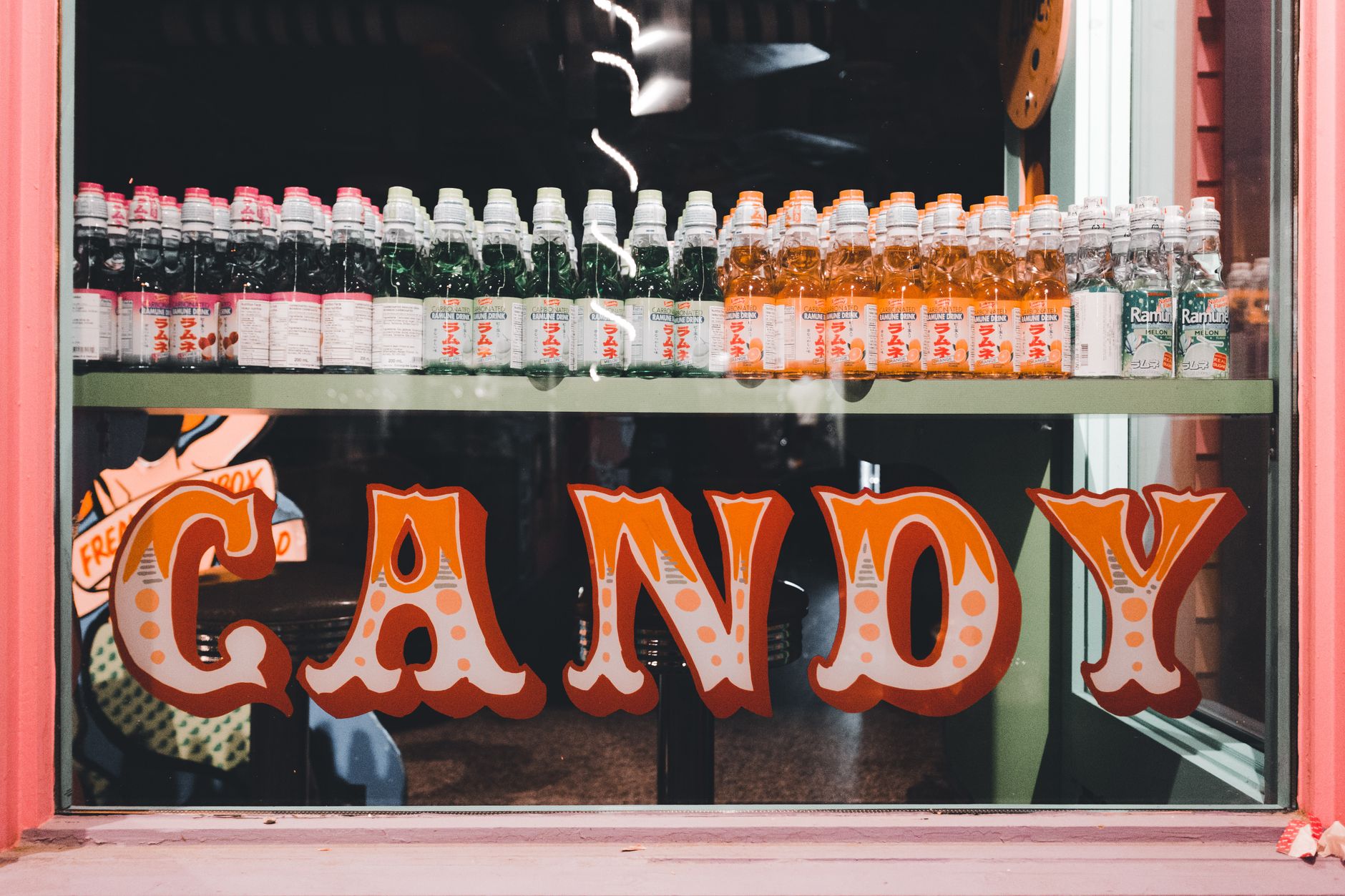
Ramune (ラムネ) is the marble-stoppered soda that has become a symbol of Japanese summer festivals. The standard original flavour — a lemon-lime carbonated drink — is widely considered halal-friendly by the Muslim travel community. Its core ingredients are typically carbonated water, sugar, citric acid, and natural flavouring with no alcohol or pork derivatives reported.
However, a few points of caution apply:
- Flavoured variants (strawberry, melon, grape, etc.) may use additional artificial colourings or flavourings whose halal status is harder to verify.
- Some souvenir-shop Ramune products are manufactured by smaller regional bottlers whose ingredient sourcing is less transparent than the major brands.
- The word "natural flavour" (天然香料) on the Japanese label can occasionally mean vanilla extract processed with ethanol as a carrier. This is a minority concern; whether it matters to you is your call.
For most mainstream Ramune bottles — especially the Sangaria and Tomomasu brands commonly found in convenience stores — the community consensus is that they are halal-friendly. Confirm the label has no 酒 (sake) or アルコール (alcohol) notation, and you can generally enjoy Ramune with peace of mind.
Is Calpis (Calpico) Halal? What Muslim Travelers Need to Know About This Halal Japanese Drink
Calpis (カルピス), sold internationally as Calpico, is one of Japan's most beloved soft drinks — a milky, lactic-acid fermented beverage with a gentle tangy sweetness. It is produced by Asahi Soft Drinks and uses a lactic acid fermentation process similar to yoghurt.
The good news: Calpis does not contain alcohol as a deliberate additive, and it does not use pork-derived gelatin. The trace amounts of alcohol that may result from lactic fermentation are generally considered negligible by mainstream Islamic scholars — falling well below the 0.5% ABV threshold and comparable to the natural fermentation found in bread or ripe fruit juice.
Key points:
- The original Calpis Water and Calpis Soda (the pre-diluted, carbonated version) are widely regarded as halal-friendly based on ingredient analysis.
- Calpis concentrate — the undiluted bottle you mix at home — follows the same formulation.
- Seasonal and limited-edition flavours (peach, grape, yuzu) introduce additional flavour compounds; checking the label for any alcohol notation remains good practice.
- Calpis does contain dairy (skim milk powder), so it is not suitable for those with lactose intolerance or milk allergies, but this is not a halal concern.
Muslim travelers report consuming Calpis without concern across Japan. Confirm current ingredient labelling when purchasing, as formulas can be updated.
Is Amazake Halal? The Drink Every Muslim Traveler Should Understand Before Buying
Amazake (甘酒) is arguably the most nuanced halal question in the Japanese drinks world, and it is crucial to understand before reaching for a cup at a shrine festival or a can from a vending machine.
There are two completely different types of Amazake, and they have very different halal implications:
Rice Koji Amazake (麹甘酒 — Koji Amazake)
This version is made by fermenting cooked rice with Aspergillus oryzae (koji mould). The fermentation converts starch into sugar without producing significant alcohol. Alcohol content is typically reported at 0.0–0.1% ABV. This type is generally considered halal-friendly, is suitable for children, and is the type commonly served at temples during Hatsumode (New Year shrine visits). Many canned Amazake products in vending machines and convenience stores specify 麹 (koji) on the label and explicitly state "アルコール分 0%" — a strong positive indicator.
Sake Lees Amazake (酒粕甘酒 — Sakekasu Amazake)
This version is made from sake lees — the leftover mash from sake production. It can contain between 1% and 8% ABV depending on preparation, which places it firmly in the haram category for Muslim consumers. Look for 酒粕 (sakekasu) on the label and avoid it.
Practical tip: When at a festival stall, ask the vendor whether the Amazake is 麹から作った (made from koji) or 酒粕から作った (made from sake lees). At vending machines, look for the alcohol percentage displayed on the label — 0% is the koji type; any ABV notation signals the sake-lees type.

Halal Japanese Drinks at Vending Machines: What to Choose and What to Avoid
Japan's 4 million-plus vending machines are a traveler's convenience paradise. The vast majority of the beverages stocked are entirely halal-friendly. Here is a practical breakdown:
Generally Safe Choices
- Canned green tea (緑茶): Brands like Ito En Oi Ocha and Suntory Iyemon contain only water, tea extract, and sometimes vitamin C. No alcohol, no animal products. Widely accepted as halal.
- Barley tea (麦茶): Caffeine-free roasted grain tea. Simple ingredients, no concerns.
- Black coffee (ブラック缶コーヒー): Plain canned black coffee (no milk or sugar variants) is generally halal-friendly. Coffee with milk introduces dairy, which is halal but check for non-halal emulsifiers in creamer-style products.
- 100% fruit juice: Often available in smaller carton formats. Check for "juice 100%" on the label — fruit + water only.
- Carbonated water and sports drinks: Pocari Sweat and Aquarius (electrolyte drinks) are widely reported as halal-friendly — no alcohol, no pork derivatives, straightforward ingredient lists.
Exercise Caution
- Amazake cans — check for 酒粕 vs. 麹 as explained above.
- Flavoured milk beverages — halal from a pork/alcohol standpoint, but manufacturing in facilities shared with non-halal products is a consideration for some.
- Energy drinks — some contain taurine derived from animal sources. Mainstream brands like Monster and Red Bull use synthetically produced taurine, but verification is recommended for strict consumers.
Avoid Entirely
- Any can or bottle labelled チューハイ (chuhai — canned cocktail), ビール (beer), or 発泡酒 (happoshu — low-malt beer). These are alcoholic beverages. Alcoholic drinks in vending machines are typically gated behind an age verification button, but the labelling is the clearest signal.
- Sake (日本酒) or umeshu (梅酒 — plum wine) products.
📱 Find halal restaurants, prayer rooms and Muslim-friendly places across Japan with the free Halal Navi app.
Download on the App Store · Get it on Google Play
Is Coca-Cola or Pepsi Halal in Japan?
The regular Coca-Cola and Pepsi sold in Japan list no animal-derived ingredients and no alcohol. Neither maker states that its Japanese products are halal-certified: we checked both companies' official product pages in September 2026 and found no halal information.
Here is what each label lists:
- Coca-Cola (Coca-Cola Japan): sugars (high-fructose corn syrup, sugar), carbonation, caramel colour, acidulant, flavouring (香料), caffeine.
- Pepsi 〈生〉 COLA (made in Japan by Suntory): sugars (high-fructose corn syrup, sugar), salt, carbonation, acidulant, caramel colour, flavouring (香料), caffeine.
The one open question is the flavouring. Both labels list it only as 香料 and say nothing about how it was made, and neither company publishes more detail. If the carrier used in a flavouring matters to you, the label cannot answer it.
We checked the regular versions. Zero-sugar versions use different sweeteners, so read their labels separately. Coca-Cola and Pepsi are national products, so the cans in an Osaka vending machine are the same as in Tokyo.
Watch out: Coca-Cola and Canada Dry names on alcoholic cans
Coca-Cola's bottler in Japan also sells ready-to-drink alcohol, often in the same convenience-store fridge as the soft drinks. Its June 2026 price notice lists Jack Daniel's & Coca-Cola Zero Sugar, Jack Daniel's & Canada Dry Ginger Highball, and Lemon-Do (檸檬堂), a lemon sour — all alcoholic.
The quickest check is the legal warning. Alcoholic drinks sold in Japan are required to carry a line such as 20歳未満の者の飲酒は法律で禁止されています or 飲酒は20歳になってから. If it is on the can, the drink contains alcohol.
Where to Find Halal-Friendly Snacks and Drinks to Pair With Your Beverage Haul
Once you have stocked up on drinks, pairing them with Muslim-friendly Japanese snacks makes the experience complete. In Osaka's Nishi area, JAPANeid Osaka l Muslim-friendly/Halal Japanese Souvenir & Snacks is a Muslim-friendly shop that curates Japanese snacks and souvenirs with Muslim travelers in mind — a good stop for picking up treats to enjoy alongside your vending machine finds (please confirm current product range and certification status when visiting).
For a full sit-down meal after a day of exploring, Muslim travelers in Tokyo's Asakusa area can visit Sankyu Halal Ramen Japanese Food Asakusa 三休ハラール日本料理浅草店, which is popular with Muslim visitors seeking a broader halal Japanese food experience beyond drinks alone.
Search the Halal Navi app for current listings in your area for additional halal-friendly restaurants and snack shops near your accommodation.
Reading Japanese Drink Labels: A Quick Halal Checklist
Not every beverage will have an English label. Here are the key Japanese characters to scan for:
| Look For | Meaning | Action |
|---|---|---|
| アルコール分 0% | Alcohol content 0% | ✅ Generally safe |
| 酒粕 | Sake lees | ❌ Avoid |
| ゼラチン | Gelatin | ⚠️ Check source — likely bovine but verify |
| 乳化剤 | Emulsifier | ⚠️ Usually plant-based in beverages, but confirm |
| 酒 / 日本酒 / ビール | Sake / Japanese sake / Beer | ❌ Alcoholic — avoid |
| 20歳未満の者の飲酒は法律で禁止されています 飲酒は20歳になってから |
Legal warning: no drinking under 20 | ❌ Alcoholic — avoid |
| 麹 | Koji (rice ferment) | ✅ Typically halal-friendly |
| 果汁 | Fruit juice content | ✅ Safe indicator |
Saving this table as a screenshot on your phone before traveling can save time in convenience stores and at vending machines.
Frequently Asked Questions About Halal Japanese Drinks
Is Ramune halal for Muslims? Standard original-flavour Ramune is widely considered halal-friendly. It is a carbonated soft drink with no alcohol or pork-derived ingredients in its basic formulation. Flavoured variants should be label-checked individually, particularly for "natural flavour" (天然香料) content. Most mainstream Ramune from major bottlers is accepted by the Muslim travel community as permissible.
Is Calpis halal? Calpis (Calpico) is a lactic-acid fermented milk drink. It does not contain intentional alcohol or pork derivatives. The trace fermentation by-products fall below thresholds considered significant by mainstream Islamic scholars. It is widely consumed by Muslim travelers in Japan. Seasonal flavours should be label-checked, and those with dairy restrictions should note it contains skim milk powder.
Can Muslims drink Amazake? It depends entirely on the type. Koji-based Amazake (麹甘酒) has approximately 0% ABV and is generally halal-friendly. Sake-lees Amazake (酒粕甘酒) contains significant alcohol (1–8% ABV) and is not permissible for Muslims. Always check the label for 麹 vs. 酒粕 before purchasing.
Are Japanese vending machine drinks generally halal? The majority of non-alcoholic beverages in Japanese vending machines — teas, sports drinks, plain coffees, juices, carbonated water, and sodas — are halal-friendly based on their ingredient profiles. Alcoholic canned drinks (beer, chuhai) are clearly labelled and gated behind age verification. Standard beverages do not carry halal certification but are ingredient-assessed as permissible by most Muslim consumers.
Does green tea from a Japanese vending machine contain alcohol? No. Plain bottled or canned green tea (緑茶) sold in vending machines contains only water, tea extract, and sometimes ascorbic acid. No alcohol is present. It is one of the safest beverage choices for Muslim travelers in Japan.
Are Japanese energy drinks halal? This varies by brand. Most mainstream energy drinks sold in Japan use synthetically produced taurine and caffeine with no pork or alcohol ingredients. However, some smaller or imported brands may use animal-derived additives. Check the ingredient list for アルコール (alcohol) and ゼラチン (gelatin), and consult the manufacturer if uncertain.
Where can I buy halal-certified Japanese snacks and drinks? Muslim-friendly snack shops such as JAPANeid Osaka l Muslim-friendly/Halal Japanese Souvenir & Snacks in Osaka's Nishi area stock curated Japanese products chosen with Muslim travelers in mind (confirm certification when visiting). For the most up-to-date listings across Japan, search the Halal Navi app, which aggregates Muslim-friendly venues including those with halal snack and souvenir options.
Is Coca-Cola halal in Japan? Regular Coca-Cola and Pepsi sold in Japan list no animal-derived ingredients and no alcohol, but neither maker states halal certification for its Japanese products, and the label does not explain the flavouring (香料). Watch for Coca-Cola- and Canada Dry-branded alcoholic cans such as Jack Daniel's & Coca-Cola, and check for the under-20 drinking warning before you buy.
Plan Your Halal Japan Trip With Confidence
Understanding which halal Japanese drinks are safe transforms your Japan experience — from shrine-side Amazake stops to vending machine discoveries at midnight. To make navigating food and drinks even easier, download the Halal Navi app from the App Store or Google Play. It puts a searchable, regularly updated guide to Muslim-friendly restaurants, cafés, snack shops, prayer facilities, and qibla direction tools right in your pocket — across Tokyo, Osaka, Kyoto, and beyond. Whether you are hunting for the perfect post-ramen tea or need a halal meal before a long train journey, Halal Navi has you covered.
Ingredient formulations and halal statuses noted in this article reflect publicly available information as of publication date. Always verify current ingredient lists directly with manufacturers or on-pack labelling before consuming, as recipes may change.
About this article
Written and halal-verified by Zeshan Hayat, CMO & Head Halal Auditor, Halal Navi.
Update policy: If you spot outdated information, we will review and correct it within 7 days.
Disclosure: Halal Navi receives no payment from any restaurant or hotel in exchange for inclusion, and all recommendations reflect independent editorial judgment based on Muslim-friendly criteria. Some articles contain affiliate booking links (e.g. Trip.com); if you book through one, Halal Navi may earn a small commission at no extra cost to you.
Last verified: 2026-07-01