Is Pocky Halal in Japan? 2026 Glico Status Guide for Muslims
Quick Answer: Pocky made in Japan is not halal-certified as of October 2026. Glico's own Q&A states that its products made in Japan and China are not halal certified. Glico states that all of its products made in Thailand are halal certified by the Central Islamic Council of Thailand (CICOT), and Glico Indonesia's halal page lists its Indonesia-made Pocky under MUI halal certification. Glico has no factory in Malaysia. In Japan, check the country of origin and look for a halal logo on the box you are holding.
✅ Written and halal-verified by Zeshan Hayat
CMO & Head Halal Auditor, Halal Navi
Published May 13, 2026 · Last verified October 2, 2026
This article is based on Glico's official pages (Japan product pages, Glico Singapore's halal Q&A, Glico Indonesia's halal page and Glico's list of group companies) and the halal product register of the Central Islamic Council of Thailand (CICOT). All product claims were re-checked on October 2, 2026.
How we verified the halal status of Pocky in 2026
The original version of this article, published several years ago, relied on a single 2015 Facebook clarification from a community page. That source is no longer current enough for a YMYL (Your Money or Your Life) topic like halal food. For this 2026 rewrite, we replaced that evidence chain with primary corporate disclosures.
We checked four categories of sources:
- Glico Japan's product pages (glico.com/jp) — ingredient (原材料) and allergen information for each Pocky sold in Japan.
- Glico Singapore's halal Q&A (glico.com/sg) — which states that Glico products made in Thailand are CICOT halal certified and products made in Japan and China are not.
- Glico Indonesia's halal page (glico.com/id) — which lists its Pocky, Pretz and Pejoy under MUI halal certification.
- CICOT's halal product register (halalthai.or.th) — where Thai Glico's Pocky products are listed with certificate numbers and expiry dates.
We found no halal claim on any of the 24 Pocky product pages on Glico Japan's site (checked October 2026), and Glico's Singapore Q&A states that its Japan-made products are not halal certified.
Why Japan-made Pocky is not halal-certified
The answer is structural, not adversarial. Glico's halal-certified Pocky is made in Thailand (CICOT) and Indonesia (MUI). Glico states that its products made in Japan are not halal certified.
What Glico Japan's product pages show, as of October 2026:
- Shortening (ショートニング) is listed for 19 of the 24 Pocky products on Glico Japan's site (the standard Pocky Chocolate and Pocky Gokuboso do not list it). The product pages do not state whether it is plant- or animal-derived.
- Emulsifiers (乳化剤) listed on Japan packaging do not specify whether they are plant-, dairy-, or animal-derived.
- "Flavorings" (香料) on Japan packaging is a collective name allowed under Japan's food labelling rules. The product pages do not say what the flavourings are made from.
None of this is unusual for a Japan-market snack. It is, however, why Japan-made Pocky cannot be classified as confirmed halal. Our standing classification is:
❓ Unconfirmed — Japan-domestic Pocky does not carry halal certification, and its ingredient disclosures do not provide enough information to classify it as Muslim-friendly with confidence.

Where Pocky is officially halal: Thailand and Indonesia
Glico states halal certification for Pocky made in two countries: Thailand and Indonesia.
Pocky manufactured in Indonesia (MUI-certified)
Glico makes Pocky in Indonesia through PT Glico Manufacturing Indonesia. Glico Indonesia's halal page lists its Pocky, Pretz and Pejoy under MUI (Majelis Ulama Indonesia) halal certification and links to MUI's product list for checking.
There is no Glico factory in Malaysia. Glico's list of group companies describes Glico Malaysia Sdn. Bhd. as a sales company. Pocky sold in Malaysia is imported, so check the country of origin and the halal logo on the box.
Pocky manufactured in Thailand (CICOT-certified)
Thai Glico Co., Ltd. manufactures Pocky and Pretz in Thailand. Glico states that all of its Thailand-made products are halal certified by the Central Islamic Council of Thailand (CICOT). CICOT's own register lists, for example, Thai Glico's Pocky Chocolate Flavour (certificate CICOT.HL.83C4080011155, effective until 24 October 2026).
Certificates are issued per product and expire — the register shows Thai Pocky Mango Flavour's certificate as expired in November 2025 — so check the halal logo on the box or the CICOT register.
Which Pocky variants are covered
Halal certification applies per factory, per product line, not per brand. Glico Indonesia's Pocky page lists Chocolate, Strawberry, Matcha, Double Chocolate, Choco Banana and Cookies & Cream. For Thailand-made Pocky, check each flavour on the CICOT register.
Flavours sold in Japan, including the regional editions (for example Pocky <Tokyo Amazake>, which lists sake-lees powder 酒粕パウダー), are Japan-made and not covered by Glico's halal certifications.
How to read a Pocky box in a Japanese convenience store
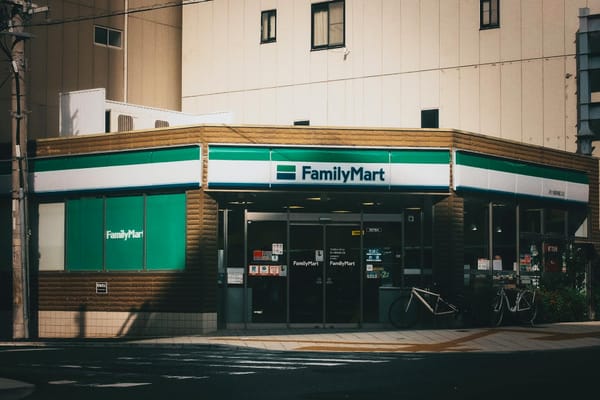
This is the practical skill most readers ask for. Pocky in Japanese convenience stores such as 7-Eleven, FamilyMart and Lawson is normally the Japan-made product. We could not confirm any store that regularly stocks imported halal-certified Pocky.
Look at the back of the box for these three things:
| What to look for | Where on the box | What it means |
|---|---|---|
| 製造所 / 原産国 (Country of origin) | Bottom back, small print | "日本" (Japan) = not halal certified. "タイ" (Thailand) or "インドネシア" (Indonesia) = check next item |
| Halal logo | Anywhere on back panel | A halal logo that names the certifier (e.g., CICOT for Thailand, MUI for Indonesia) = certified for that product |
| 乳化剤・ショートニング (Emulsifiers, shortening) | Ingredient list | Even on Japan editions, presence does not auto-mean haram — but absence of certification means it stays Unconfirmed |
If you cannot find a halal logo on the box you are holding, treat that specific box as ❓ Unconfirmed and put it back on the shelf.
A useful Japanese phrase at the counter: 「この商品はハラル認証がありますか?」(Kono shōhin wa hararu ninshō ga arimasu ka?) — "Does this product have halal certification?"
Comparison: Pocky by manufacturing origin
| Manufacturing origin | Certification body | Halal status | Where you'll typically find it |
|---|---|---|---|
| Japan (Ezaki Glico Japan) | Not certified (Glico) | ❓ Unconfirmed | All Japan convenience stores, supermarkets, drugstores |
| Indonesia (PT Glico Manufacturing Indonesia) | MUI | ✅ Certified (per Glico Indonesia) | Indonesia |
| Thailand (Thai Glico) | CICOT | ✅ Certified per product (check expiry) | Thailand |
| Other (limited regional editions) | Varies | Check per SKU | Specialty import stores |
📱 Find halal restaurants, prayer rooms and Muslim-friendly places across Japan with the free Halal Navi app.
Download on the App Store · Get it on Google Play
What about other Glico snacks?
Pocky is the headline product, but Ezaki Glico makes many other snacks travelers ask about. The same per-factory rule applies:
- Pretz (プリッツ) — Glico states its Thailand-made products are CICOT halal certified, and Glico Indonesia lists Pretz under MUI certification. Japan-made Pretz is not certified.
- Pejoy — Same per-factory pattern as Pocky. Check the box.
- Glico Caramel (グリコキャラメル) — The classic red box. Japan-made and not halal-certified. The current ingredient list on Glico's site includes dairy and oyster extract (かきエキス); gelatin is not listed. ❓ Unconfirmed.
- Bisco (ビスコ) — Japan-made; no halal certification; contains dairy. ❓ Unconfirmed.
For convenience-store snacks more broadly in Japan, look for products with a halal logo that names the certifier.
Frequently Asked Questions
Is Pocky halal in Japan?
Japan-made Pocky is not halal-certified as of October 2026; Glico's own Q&A says its Japan-made products are not halal certified. Thailand-made Pocky (CICOT) and Indonesia-made Pocky (MUI) are certified per product — check the country of origin and the halal logo on the box before purchasing.
Does Pocky contain pork?
Ezaki Glico has not publicly disclosed pork-derived ingredients in its standard Pocky line. However, Japan packaging uses generic ingredient categories like "shortening" (ショートニング) and "emulsifiers" (乳化剤) that do not specify animal versus plant origin. Without certification, we cannot confirm the absence of porcine-derived components in Japan-made Pocky.
Is the chocolate in Pocky halal?
For certified Pocky (Thailand-made with a valid CICOT certificate, or Indonesia-made with MUI certification), the certification covers the whole product, including the coating. Japan-made Pocky is not certified, and Glico Japan's product pages do not state the source of the emulsifier (乳化剤).
Where can I buy halal-certified Pocky in Japan?
We could not confirm a regular stockist. Halal grocery stores (for example, near Tokyo Camii in Yoyogi-Uehara and Otsuka Mosque in Toshima) may carry imported snacks — if you find Pocky there, check the country of origin and the halal logo on the box.
Is Pocky halal in Malaysia and Indonesia?
Glico has no factory in Malaysia: Glico Malaysia Sdn. Bhd. is a sales company, and Pocky sold there is imported. Glico states that its Thailand-made products are CICOT halal certified. In Indonesia, Pocky is made locally by PT Glico Manufacturing Indonesia, and Glico Indonesia lists it under MUI halal certification. Always check the country of origin and the halal logo on the box you are buying.
What does the "shortening" in Pocky mean for halal status?
Shortening is a category of solid fat used in baked and coated snacks. It can be plant-derived (palm, soybean) or animal-derived (beef tallow, lard). Japan's Food Labeling Act allows the term "ショートニング" to appear without further specification, so unless the manufacturer states the source, the origin is not verifiable from the box alone. On a certified product, the halal certification covers all of its ingredients.
Is Pocky vegan-friendly in Japan?
Vegan and halal are different categories, but vegans face a similar disclosure problem in Japan — generic ingredient labels obscure dairy-derived and animal-fat ingredients. Most Pocky variants in Japan contain milk powder and dairy, so they are not vegan. Halal certification does not mean vegan — check the ingredient list for milk.
How current is this information?
Claims were re-checked on October 2, 2026 against Glico's official pages (Japan product pages, Glico Singapore's halal Q&A, Glico Indonesia's halal page, Glico's list of group companies) and the CICOT halal product register. The CICOT certificate for Thai Pocky Chocolate shown on the register runs until 24 October 2026, so we will re-check after that date.
Verdict
Japan-made Pocky stays in the ❓ Unconfirmed category in 2026. The original 2020 version of this article relied on a single community-page clarification from 2015 and treated Japan-made Pocky as Muslim-friendly. We no longer consider that evidence sufficient under Halal Navi's current editorial standards, which require corporate-level halal disclosure or third-party certification for confirmed halal status.
The practical advice for travelers:
- In a Japanese convenience store, treat unmarked Pocky as Unconfirmed.
- If you want certified halal Pocky in Japan, look for a halal logo that names the certifier (e.g., CICOT for Thailand-made, MUI for Indonesia-made) on imported boxes.
- Outside Japan, still check the box: Glico Singapore's Q&A notes that Glico products made in Japan and China are not halal certified.
- For halal snack options in Japan, the Halal Navi restaurant and product database lists halal-friendly restaurants and shops across the country.
If Glico Japan publishes halal certification for any Japan-domestic Pocky SKU in the future, we will update this guide within a week of the announcement.
Sources & references
- Ezaki Glico (Japan) — Pocky product pages (ingredients and allergens), glico.com/jp, checked October 2, 2026.
- Glico Singapore — "Is Glico confectionery product Halal Certified?", glico.com/sg, checked October 2, 2026.
- Glico Indonesia — Halal Certificate, glico.com/id, checked October 2, 2026.
- Glico — Global Locations (group companies), glico.com/us, checked October 2, 2026.
- The Central Islamic Council of Thailand (CICOT) — halal product register, Pocky Chocolate Flavour, halalthai.or.th, checked October 2, 2026.
- Japan Consumer Affairs Agency — food labelling rules, caa.go.jp.
About this article
Written and halal-verified by Zeshan Hayat, CMO & Head Halal Auditor, Halal Navi.
Reviewer: This article was reviewed by Halal Navi's Halal Verification Team, which cross-checks every certification claim against the certifying body's own public directory before publication. See our editorial standards for the full review process.
Update policy: If Glico publishes a new halal certification for Japan-domestic Pocky, or if any cited certification changes status, we update within seven days. Spotted something outdated? Please contact us.
Disclosure: Halal Navi has no commercial relationship with Ezaki Glico, Glico Malaysia, or Thai Glico. This article reflects independent editorial judgment based on publicly available corporate and certification-body disclosures.
Last verified: 2026-10-02
🛒 Once you know what is safe to buy, the next question is where. We list halal grocery stores and halal-friendly supermarkets across Japan.
Find halal groceries in Japan →