6 Japanese Snack Souvenirs Checked for Muslim Travelers (2026)
Quick Answer: None of the popular Japanese souvenir snacks in this guide is halal-certified for the Japan market. We checked six of them against the manufacturer's own ingredient page in October 2026: Meiji Macadamia and Almond Chocolate, Lotte Koala's March, Royce' Pure Chocolate, Bourbon Alfort, Bourbon Chocolate Chip and Butter Cookies, and Royce' Potatochip Chocolate. None lists pork, gelatin or alcohol, but most list shortening or an emulsifier without saying where it comes from. Koikeya Karamucho Hot Chilli is not suitable: its seasoning contains pork and gelatin.
✅ Written and halal-verified by Zeshan Hayat
CMO & Head Halal Auditor, Halal Navi
Published May 13, 2026 · Last verified October 14, 2026
Status of every snack reviewed against the manufacturer's own product page (Meiji, Bourbon, Lotte, Koikeya, Royce') and Japan's food labeling rules. Every product page in this guide was last opened on October 14, 2026.
How we verified each snack for this guide
For halal-conscious travelers, an "I read it on a blog once" claim is not enough. Ingredients change, suppliers change, and certifications expire. Here is what we did for every snack listed below.
- We opened the manufacturer's current Japanese-language product page and read the most recent published ingredient list (原材料名) and allergen statement.
- We read it with Japan's food labeling rules in mind: ingredients are listed in descending order by weight, and allergen labeling is mandatory for nine items (egg, milk, wheat, buckwheat, peanut, shrimp, crab, walnut and, since April 2026, cashew nut), with more recommended, including pork, beef, chicken and gelatin.
- We looked for a halal certification on the product itself. We found none for the Japan-market versions of these snacks.
- We flagged the ingredients most likely to cause issues for Muslim travelers: pork (豚肉), gelatin (ゼラチン), alcohol (洋酒, 酒精), and shortening (ショートニング) or emulsifier (乳化剤) whose source is not stated.
If you spot a change on a current package that contradicts what we wrote, please contact our editorial team.
Important: no pork listed is not the same as halal-certified
Before the list, one critical clarification. None of the snacks below carries halal certification for its Japan-market version, as of October 2026. When we say a snack has "no pork, gelatin or alcohol listed", we mean:
- The ingredient list, as currently published by the manufacturer, does not list pork, lard, gelatin or alcohol.
- Where the manufacturer states the source of an emulsifier or shortening, we note it. Several products below list shortening, margarine or an emulsifier without a stated source; we flag these so you can decide.
- The factory may still process other products containing haram ingredients on shared lines.
If you require a fully halal-certified souvenir, look for a recognised halal logo on the pack, for example at specialty halal grocers in Tokyo. For everything else, this guide tells you what to read on the back of the box.
For background on halal certification in Japan, see the NPO Japan Halal Association and the Japan Halal Foundation.
Not suitable: Koikeya Karamucho Hot Chilli (湖池屋 カラムーチョ ホットチリ味)
Earlier versions of this guide listed Karamucho Hot Chilli as Muslim-friendly. That was wrong. Koikeya's own product page lists a vegetable extract powder in the seasoning that contains pork and gelatin (野菜エキスパウダー(乳成分・大豆・豚肉・ゼラチンを含む)) as well as chicken bouillon powder, and its allergen line includes chicken, pork and gelatin (鶏肉、豚肉、ゼラチン). Do not buy it as a halal-conscious souvenir. It is a good example of why the flavor name alone tells you nothing: always read the 原材料名 line.
1. Meiji Macadamia and Almond Chocolate (明治マカダミア・アーモンドチョコレート)
Status: ⚠ No pork, gelatin or alcohol listed · Emulsifier source not stated · Not certified
Last verified: October 14, 2026
Source: Meiji Macadamia product page, Meiji Almond product page
Meiji's boxed Macadamia Chocolate and Almond Chocolate are among Japan's most popular gift chocolates. Meiji's product pages list them as "semi-chocolate" (準チョコレート) made with sugar, the nut, vegetable fat, whole milk powder, cacao mass and cocoa butter. The additives are an emulsifier (乳化剤 on the Macadamia box, レシチン on the Almond box) and flavoring (香料), and the Almond box also lists a glazing agent (光沢剤). The label does not state the source of the emulsifier, glazing agent or flavoring.
What to check on the box before buying:
- Confirm no 洋酒 (Western liquor) or ブランデー (brandy) appears. Limited-edition seasonal versions sometimes add them.
- The factory also produces products containing alcohol, and Meiji publishes no statement about separate lines. Decide based on your personal threshold.
These travel well and are widely available.
2. Lotte Koala's March (ロッテ コアラのマーチ)
Status: ⚠ No pork, gelatin or alcohol listed · Shortening source not stated · Not certified
Last verified: October 14, 2026
Source: Lotte Koala's March product page
Lotte Koala's March, with its illustrated koala biscuits, is a classic Japan souvenir. Lotte's product page lists sugar, wheat flour, vegetable fat, cacao mass, starch, shortening, milk ingredients, egg and cocoa butter, with additives including a soy-derived emulsifier (乳化剤(大豆由来)) and flavoring (香料). The source of the shortening is not stated.
What to check on the box before buying:
- Confirm you are looking at the original chocolate flavor. Other flavors and seasonal fillings have different ingredient lists.
- Read the 原材料名 line for ゼラチン or 洋酒 on any limited edition.
3. Royce' Pure Chocolate
Status: ⚠ No pork, gelatin or alcohol listed · Emulsifier source not stated · Not certified
Last verified: October 14, 2026
Source: Royce' ingredient page
Royce' is a Hokkaido-based chocolatier whose Pure Chocolate boxes are sold at major Japanese airports and department stores. Royce's ingredient page lists Pure Chocolate [Milk] as sugar, cocoa butter, whole milk powder and cacao mass, with an emulsifier and flavoring, and states that no alcohol is used. The source of the emulsifier is not stated.
Important nuance: some Royce' products do contain alcohol, including the Nama Chocolate range (for example Nama Chocolate "Au Lait"). Do not assume the whole Royce' brand is alcohol-free; check each box.
What to check before buying:
- Confirm the product name on the box is "Pure Chocolate" (ピュアチョコレート).
- Read the 原材料名 line and confirm no 洋酒 or リキュール appears.
- At Royce' shops you can ask: "お酒が入っていないものはどれですか" (Which of these do not contain alcohol?).
4. Bourbon Alfort (ブルボン アルフォート)
Status: ⚠ No pork, gelatin or alcohol listed · Shortening source not stated · Not certified
Last verified: October 14, 2026
Source: Bourbon Alfort product page
Bourbon's Alfort, a wholewheat-style biscuit topped with a thick chocolate layer, is a long-running Japanese supermarket staple. Bourbon's product page lists wheat flour, sugar, whole milk powder, cacao mass, shortening, vegetable fat, whole wheat flour, cocoa butter, wheat bran, salt and defatted wheat germ, with a soy-derived emulsifier (乳化剤(大豆由来)), flavoring and an antioxidant. The source of the shortening (ショートニング) is not stated.
What to check on the pack before buying:
- Confirm you have the standard milk chocolate variant. Seasonal editions can use different chocolate layers.
- Read the 原材料名 line for 洋酒 on any limited edition.
Older social-media halal claims about Alfort from the mid-2010s are outdated. Treat it as an ingredient-based judgement, not a certified product.
📱 Find halal restaurants, prayer rooms and Muslim-friendly places across Japan with the free Halal Navi app.
Download on the App Store · Get it on Google Play
5. Bourbon Chocolate Chip Cookies and Butter Cookies (ブルボン チョコチップクッキー / バタークッキー)
Status: ⚠ No pork, gelatin or alcohol listed · Shortening and margarine sources not stated · Not certified
Last verified: October 14, 2026
Source: Bourbon Chocolate Chip Cookies product page, Bourbon Butter Cookies product page
Bourbon's everyday cookie packs are a budget-friendly souvenir. Bourbon's product pages list shortening (ショートニング) without stating its source, plus a soy-derived emulsifier (乳化剤(大豆由来)) and flavoring (香料). The Butter Cookies also contain margarine (マーガリン), again without a stated source, as well as butter and egg.
What to check on the pack before buying:
- Skip seasonal limited editions; standard year-round packs are the simpler base case.
- Decide for yourself whether an unstated shortening or margarine source is acceptable to you.
6. Royce' Potatochip Chocolate
Status: ⚠ No pork, gelatin or alcohol listed · Emulsifier source not stated · Not certified
Last verified: October 14, 2026
Source: Royce' ingredient page
Royce' Potatochip Chocolate is a potato chip half coated in chocolate, and one of Japan's most-photographed airport souvenirs. Royce's ingredient page lists the Original as potato chips (potato, vegetable oil, salt), sugar, cocoa butter, cacao mass, whole milk powder and an emulsifier. None of the Potatochip Chocolate flavors on Royce's ingredient page lists liquor; the Nama Chocolate range is where Royce' uses liquor.
What to check before buying:
- Confirm no 洋酒, ラム酒 or リキュール appears on the back of the box.
- Potatochip Chocolate is best kept cool; check how you will carry it home.
At-a-glance: 2026 Japanese snack souvenir comparison
| Snack | Status | Key ingredient flag | Travel-friendly? |
|---|---|---|---|
| Meiji Macadamia / Almond Chocolate | ⚠ No pork, gelatin or alcohol listed | Emulsifier source not stated | ✅ Yes |
| Lotte Koala's March (chocolate) | ⚠ No pork, gelatin or alcohol listed | Shortening source not stated; soy emulsifier | ✅ Yes |
| Royce' Pure Chocolate | ⚠ No pork, gelatin or alcohol listed | Emulsifier source not stated; other Royce' lines contain alcohol | ✅ Keep cool |
| Bourbon Alfort | ⚠ No pork, gelatin or alcohol listed | Shortening source not stated; soy emulsifier | ✅ Yes |
| Bourbon Chocolate Chip / Butter Cookies | ⚠ No pork, gelatin or alcohol listed | Shortening and margarine sources not stated | ✅ Yes |
| Royce' Potatochip Chocolate (Original) | ⚠ No pork, gelatin or alcohol listed | Emulsifier source not stated | ✅ Keep cool |
| Koikeya Karamucho Hot Chilli | ❌ Not suitable | Seasoning contains pork and gelatin |
Where to read Japanese ingredient labels confidently
Three Japanese terms will let you assess about 80 percent of Japanese snack packages:
- 原材料名 (genzairyō-mei): Ingredient list, in descending order by weight.
- アレルゲン (arerugen): Allergens; Japan's food labeling rules require nine items (egg, milk, wheat, buckwheat, peanut, shrimp, crab, walnut and, since April 2026, cashew nut) and recommend others, including pork, beef, chicken and gelatin.
- 製造所固有記号 (seizōjo koyū kigō): Factory identification code; useful if you want to ask the manufacturer about cross-contamination.
Useful red-flag words to memorize:
- 豚 (buta, pork), ラード (lard), ゼラチン (gelatin)
- 洋酒 (yōshu, Western liquor), 酒精 (shusei, ethanol), リキュール (liqueur)
- 動物性 (dōbutsusei, animal-derived)
- 牛肉エキス, 豚肉エキス, 鶏肉エキス (beef, pork, chicken extracts)
Useful green-flag words:
- 植物性 (shokubutsusei, plant-derived)
- 大豆由来 (daizu yurai, soy-derived): common for lecithin emulsifiers
Frequently Asked Questions
Are any of these snacks halal-certified?
Not for the Japan-market versions, as of October 2026. Some brands sell products overseas that are made or certified differently, but a certification on an overseas product does not apply to the Japan-market version. Always check for a certification logo on the package in front of you.
What is the safest type of Japanese snack to buy as a Muslim souvenir?
Plain milk chocolate bars and biscuit-style cookies from major Japanese manufacturers are usually the safest baseline because their ingredients are simple and well-disclosed. Avoid anything labeled "Au Lait," "Premium," "Adult" (大人の), or any seasonal limited edition without re-checking the ingredient list: these are the categories most likely to add alcohol-based flavoring.
Where can I find halal-certified Japanese souvenir snacks instead?
Specialty halal grocers in Tokyo carry some halal-certified snacks; check the certification logo on each pack. Halal Navi maintains a restaurant and store directory that includes some of these stockists.
Why do some older blog posts say these snacks are "halal"?
Older articles, including the previous version of this guide, sometimes cited social media posts from 2014 to 2016 claiming halal status. Those claims were typically based on point-in-time ingredient checks, not formal certification, and recipes change. We have removed all such legacy claims and based every entry on the manufacturer's current product page.
Can I trust the English ingredient translation on the package?
Sometimes, but not always. Many Japanese snacks have English ingredient labels printed by the importer rather than the manufacturer, and these can be incomplete. We recommend learning the four or five Japanese words above and reading the Japanese 原材料名 line directly.
What about emulsifiers: are they always plant-based in Japan?
No. Emulsifiers (乳化剤) in Japan can be soy-derived, dairy-derived, or animal-derived, and Japan's Food Labeling Act does not always require the source to be disclosed. When a manufacturer voluntarily writes "(大豆由来)" or "(植物性)" next to the emulsifier, you can be confident. When the source is not stated, ask the manufacturer or treat it as unconfirmed.
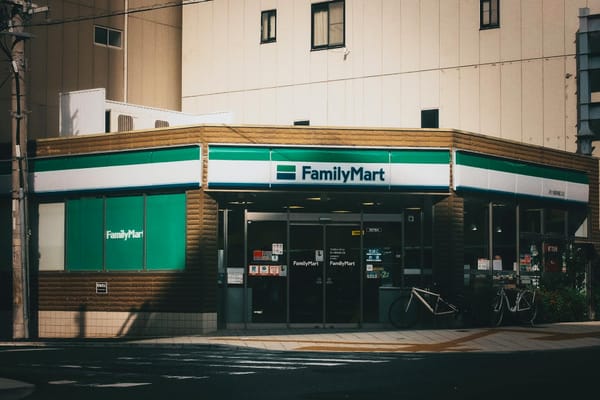
Are Japanese convenience store snacks generally Muslim-friendly?
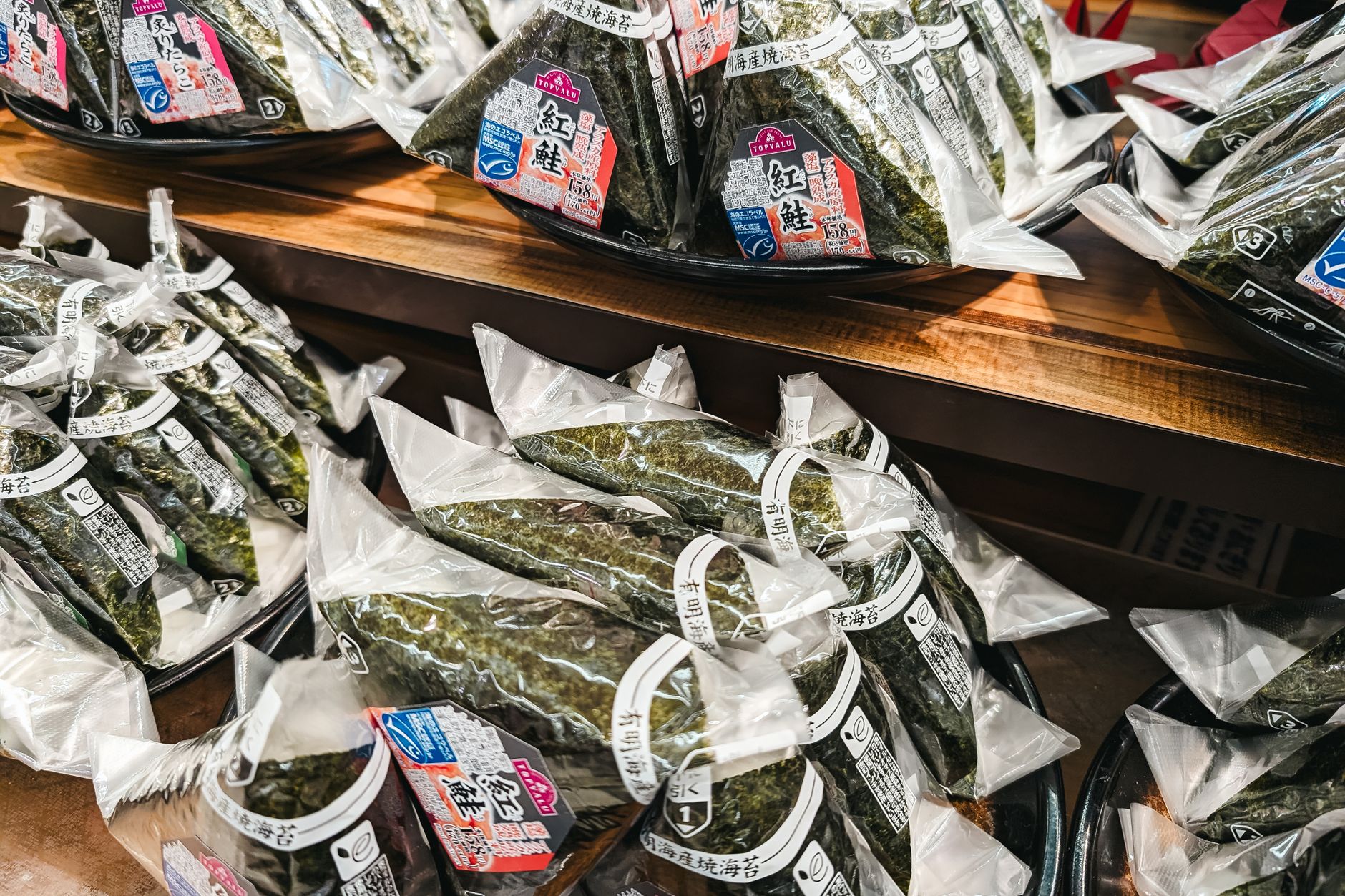
Some are, many are not. Onigiri (rice balls) with seafood fillings such as tuna mayo, salmon, and kombu are often Muslim-friendly, but the rice itself may contain mirin (cooking sake). Many bread products contain margarine or shortening whose source is not stated. Always check the back of the package: convenience store products follow the same labeling rules as supermarket snacks.
How often does Halal Navi update this guide?
We re-open every cited manufacturer page, re-read the current ingredient list, and update the status table. This guide was last checked on October 14, 2026. If you spot a packaging change before we do, please send a correction.
Verdict
For Muslim travelers leaving Japan with souvenir snacks in your suitcase, the practical strategy in 2026 is this: read the back of the box, prefer year-round standard flavors over limited editions, and pick from established manufacturers whose ingredient pages are easy to find online. Meiji, Bourbon, Lotte and Royce' publish their ingredient lists online, which makes an ingredient-based check realistic. The same check is what rules out Koikeya Karamucho Hot Chilli.
None of the snacks in this guide is halal-certified for the Japanese domestic market. What you are doing is an ingredient-based check of what the manufacturer discloses: useful, but not equivalent to a certification stamp, and several of these snacks list shortening or an emulsifier without a stated source. If full certification matters to your household, buy products with a recognised halal logo from a specialty halal grocer instead.
The good news is that the same Japanese transparency culture that publishes the world's most detailed allergen disclosures also gives Muslim travelers a fighting chance to make informed choices. With a few Japanese words and a careful eye, you can make an informed choice.
Sources and references
- Meiji: Macadamia Chocolate and Almond Chocolate product pages, accessed October 14, 2026.
- Lotte: Koala's March product page, accessed October 14, 2026.
- Royce': ingredient page, accessed October 14, 2026.
- Bourbon: Alfort, Chocolate Chip Cookies and Butter Cookies product pages, accessed October 14, 2026.
- Koikeya: Karamucho product page, accessed October 14, 2026.
- NPO Japan Halal Association: jhalal.com, accessed October 14, 2026.
- Japan Halal Foundation: japanhalal.or.jp, accessed October 14, 2026.
- Consumer Affairs Agency of Japan: food allergy labeling rules (cashew nut added to mandatory items from April 2026).
About this article
Written and halal-verified by Zeshan Hayat, CMO & Head Halal Auditor, Halal Navi.
Reviewer: This article was reviewed by Halal Navi's Halal Verification Team, which cross-checks every ingredient claim against the manufacturer's currently published product page before publication. See our editorial standards for the full review process.
Update policy: We re-verify every claim in this article twice yearly. If you find that a manufacturer has changed a recipe or a certification, please contact us and we will update within 7 days.
Disclosure: Halal Navi receives no payment from any restaurant or hotel in exchange for inclusion, and all recommendations reflect independent editorial judgment based on Muslim-friendly criteria. Some articles contain affiliate booking links (e.g. Trip.com); if you book through one, Halal Navi may earn a small commission at no extra cost to you.
Last verified: 2026-10-14
🛒 Once you know what is safe to buy, the next question is where. We list halal grocery stores and halal-friendly supermarkets across Japan.
Find halal groceries in Japan →