

Is Shojin Ryori Halal? Japan's Buddhist Vegetarian Cuisine
Quick Answer: Shojin ryori is not automatically halal, despite being a strictly plant-based, pork-free cuisine with no meat or seafood. The primary barrier for Muslim travelers is the widespread use of mirin and sake, both alcohol-based, as seasoning in traditional preparations, which many Muslim scholars consider impermissible regardless of residual content after cooking. Dashi stock in authentic shojin ryori should be kombu- or shiitake-based rather than fish-derived, but not every restaurant adheres strictly to this. Fermented staples such as miso and soy sauce are generally considered permissible, though standards vary by madhab. As of 2026, there are no widely known halal-certified shojin ryori restaurants in Japan. Travelers following strict halal guidelines should ask explicitly whether mirin, sake, or any alcohol is used in cooking before ordering, and consider verified halal washoku or halal wagyu alternatives instead.
Muslim travelers exploring Japan often encounter shojin ryori: the centuries-old Buddhist vegetarian cuisine served in temple lodgings and zen restaurants across the country. On the surface, a plant-based, alcohol-free meal sounds like an ideal fit for halal dietary needs. But is shojin ryori halal? The answer is nuanced, and understanding it can save you from an uncomfortable dining experience while helping you make the most of Japan's extraordinary food culture. This guide walks through what shojin ryori actually contains, where it crosses halal boundaries, how to navigate it respectfully, and where to find verified halal dining alternatives in Tokyo, Kyoto, and Osaka when you need a meal you can eat with full confidence.
What Is Shojin Ryori, and Why Do Muslim Travelers Ask About It?
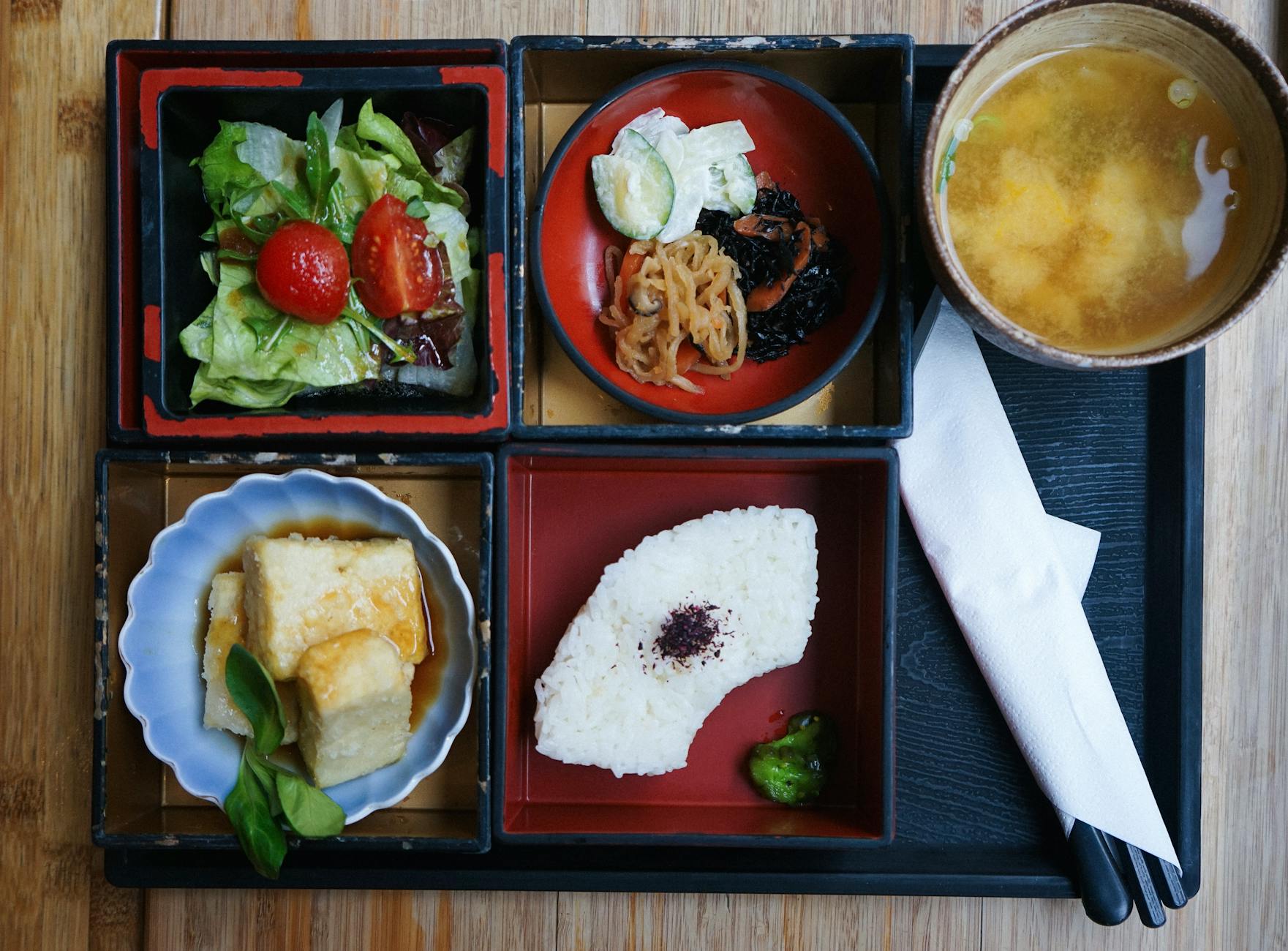
Shojin ryori (精進料理) translates loosely as "devotion cuisine." It developed within Japanese Buddhist monasteries over a thousand years ago, rooted in the principle of ahimsa, non-harm, and the Buddhist precept against killing sentient beings. The result is a strictly plant-based menu: no meat, no fish, no poultry.
A typical shojin ryori set might include:
- Tofu preparations (silken tofu, grilled tofu, tofu skin called yuba)
- Seasonal vegetables, simmered or pickled
- Miso soup (often made without dashi fish stock: a key distinction)
- Sesame tofu (goma dofu)
- Rice, pickles, and mountain vegetables (sansai)
From a halal perspective, the absence of pork and meat is reassuring. However, halal compliance is not simply about avoiding haram ingredients: it also encompasses the absence of alcohol and the proper sourcing and handling of food. Several elements of shojin ryori deserve closer attention.
Is Shojin Ryori Halal? Key Ingredients Muslim Travelers Must Check
The shojin ryori halal question cannot be answered with a flat yes or no. Here is a breakdown of the most common points of concern:
Mirin and sake in cooking: Traditional Japanese cooking, including many shojin ryori preparations, uses mirin (sweet rice wine) and sake as seasoning. Both are alcohol-based. Many Muslim scholars consider food cooked with alcohol to be impermissible, regardless of how small the residual content is after cooking. This is the single biggest concern with shojin ryori for Muslim diners.
Dashi stock: Shojin ryori is supposed to use kombu (kelp) or shiitake-based dashi rather than the fish-and-bonito dashi (katsuobushi) found in mainstream Japanese cooking. However, not every restaurant that labels itself shojin-influenced adheres strictly to this rule. Always confirm the stock base.
The "five pungent vegetables" exclusion: Traditional shojin ryori excludes onions, garlic, spring onions, chives, and leeks, the go-no-iku or "five pungent roots", because Buddhist doctrine associates them with arousing passions or impurity. This means shojin ryori is often blander in aromatics than other Japanese cuisines, which some diners find surprising.
Fermented ingredients: Miso, soy sauce, and pickles are staples. Most are permissible under halal guidelines as long as they are not alcohol-brewed in a way that leaves significant alcohol content, though standards vary between madhabs. If you follow a stricter interpretation, ask about brewing methods.
Cross-contamination: Temple kitchens dedicated solely to shojin ryori are typically free of meat and fish, which removes a significant cross-contamination risk compared to mainstream restaurants. However, unless the kitchen holds halal certification, there is no formal audit of alcohol-free sourcing.
Bottom line: Shojin ryori is vegetarian and usually pork-free, but it is not automatically halal. The use of mirin and sake in seasoning is common and is the primary barrier. Travelers following strict halal guidelines should ask explicitly: "Is this dish cooked without any alcohol, mirin, or sake?" (アルコール・みりん・酒は使っていますか?)

Is Shojin Ryori Suitable for Vegetarian or Vegan Muslims?
For Muslim travelers who are comfortable eating vegetarian food outside of a halal-certified setting, and whose primary concern is avoiding pork, meat, and fish rather than trace alcohol in cooking, shojin ryori may feel like the closest approximation to an accommodating meal that traditional Japanese cuisine offers.
The cuisine is completely free of meat and seafood by design. It is also, in most serious establishments, free of eggs and dairy (making it effectively vegan). The clean, seasonal flavors and aesthetic presentation, served in lacquered boxes arranged to reflect the season, make it a culturally significant experience worth seeking out.
If your halal standards require certified alcohol-free cooking, shojin ryori as served in most traditional establishments will not meet the bar. But if you are traveling with vegetarian companions, or if your personal halal practice focuses on avoiding haram animal products rather than trace cooking alcohol, you may find certain shojin ryori courses acceptable after direct inquiry with the establishment.
Female travelers should note that many shojin ryori experiences are offered at temple lodgings (shukubo), which are generally conservative, gender-respectful environments. Modest dress is appreciated and sometimes required in temple precincts. Prayer space may be available in or near the temple grounds: ask staff or consult the qibla direction for your location using a compass app before your meal.
Shojin Ryori in Kyoto: What to Expect at Temple Restaurants
Kyoto is the spiritual home of shojin ryori in Japan. The city's hundreds of Buddhist temples, including those in the Higashiyama, Arashiyama, and Kinkakuji areas, have served some form of this cuisine for centuries. Several upscale restaurants in Kyoto specialize in refined shojin ryori, some of which can be booked without an overnight stay.
However, as noted above, halal certification at these establishments is essentially non-existent as of 2026. If you visit a shojin ryori restaurant in Kyoto, be prepared for detailed questioning of staff about mirin and sake use, and accept that answers may be uncertain or inconsistent.
For Muslim travelers in Kyoto who want a culturally rich dining experience without the uncertainty, there are certified or Muslim-friendly alternatives nearby. For something closer to a Japanese comfort meal, Halal Ramen Ayam-Ya Karasuma Kyoto near Kyoto Station offers halal-certified chicken-based ramen, and Halal Honolu's Wagyu Udon Ramen Kyoto in the Kyoto Station area (Shimogyo Ward) is reported as Muslim-friendly with hearty udon and ramen options: confirm current certification status before visiting.
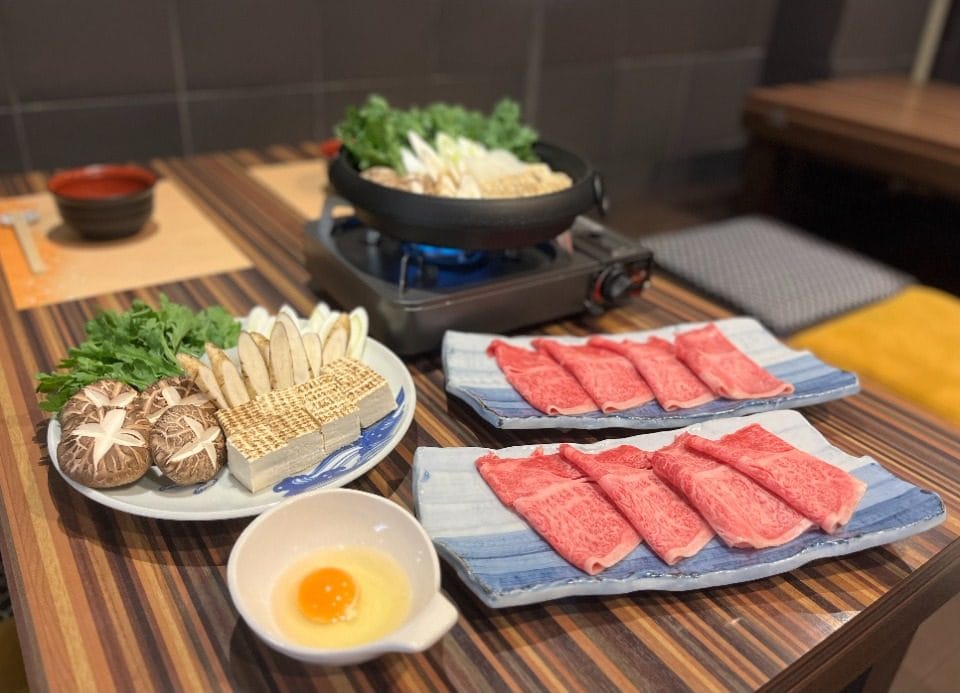
For a premium Japanese dining experience in Kyoto, HALAL WAGYU SUKIYAKI 春爛〜HALRA〜京都 in Nakagyo Ward offers halal wagyu sukiyaki: a rich, deeply Japanese cooking style that comes with the formal seasonal presentation spirit of Kyoto dining, minus the halal ambiguity.
Shojin Ryori in Tokyo: Buddhist Cuisine and Halal Alternatives
Tokyo has a handful of high-end shojin ryori restaurants, particularly in areas like Minami-Aoyama and near major temple complexes. As with Kyoto, halal certification at these establishments is rare and the alcohol-in-cooking question remains unresolved.
Muslim travelers in Tokyo have far more flexibility in finding certified halal Japanese food than in finding certified halal shojin ryori. In the Asakusa area, home to Senso-ji Temple, one of Tokyo's most visited Buddhist sites, several halal restaurants provide a genuine Japanese dining experience in a historically resonant setting. Ayam-ya Halal Ramen Tokyo in Taito serves halal chicken ramen and is popular with Muslim visitors exploring the temple district. Sankyu Halal Ramen Japanese Food Asakusa 三休ハラール日本料理浅草店 is another Taito option known for halal Japanese comfort food: confirm current certification when visiting. Halal And Vegan Ramen Dattebayo!, also in the Asakusa-Ueno area, is notable for offering both halal and vegan ramen options, making it a rare crossover choice for travelers with mixed dietary groups.
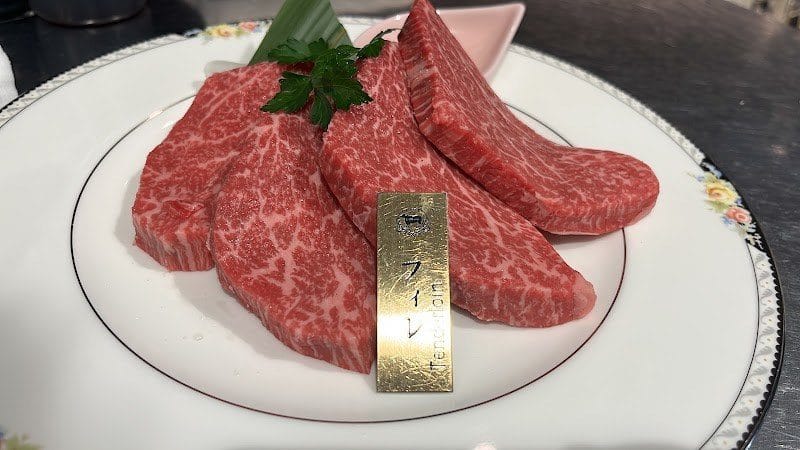
For those looking for an upscale Japanese dining experience in Tokyo that echoes the precision and seasonality of shojin ryori but with full halal confidence, GINZA THE EMPEROR / ギンザエンペラー in the Ginza-Marunouchi area offers halal wagyu yakiniku in an elevated setting. In Shiba (Minato), near Tokyo Tower, Halal SUKIYAKI Restaurant Diyafa provides a halal sukiyaki experience suited to travelers who want the communal, seasonal warmth of traditional Japanese cuisine without compromise. The restaurant states that all its ingredients are halal (it uses halal wagyu) and that it serves no pork or alcohol, and it has a dedicated prayer room with wudu facilities.
📱 Find halal restaurants, prayer rooms and Muslim-friendly places across Japan with the free Halal Navi app.
Download on the App Store · Get it on Google Play
Shojin Ryori in Osaka: Plant-Based Culture and Halal Food Scene
Osaka's Buddhist culinary heritage is less formally visible than Kyoto's, but the city's vibrant food culture means plant-based and halal options are growing rapidly. Shojin ryori restaurants in Osaka are fewer in number and generally less renowned, making it an easier decision to pivot directly to halal-certified Japanese food.
In the Namba-Dotonbori area, ハラール和食みのり Halal Washoku Minori serves halal washoku (traditional Japanese cuisine): an approachable entry point to Japanese flavors for travelers who want authenticity without the shojin ryori guesswork. Best Halal Ramen Marhaba!マルハバ! in Chuo Ward is a popular halal ramen spot in the heart of Osaka's dining district, certified for its full menu by Halal Navi, the operator of this site (certificate HN-MRB-2026-01A, valid until 19 July 2027). For halal wagyu in Osaka, Halal Wagyu Yakiniku Osaka PANGA in Namba-Dotonbori offers a premium yakiniku experience.
For Muslim travelers picking up souvenirs or snacks after a temple visit in western Osaka, JAPANeid Osaka in Nishi specializes in Muslim-friendly and halal Japanese souvenirs and snacks: a practical stop for travel gifts that meet halal standards.
Prayer Facilities and Worship Considerations at Temple Sites
One question Muslim travelers frequently ask is whether it is appropriate to enter Buddhist temples to experience shojin ryori or cultural sightseeing. Visiting a temple as a non-Buddhist tourist for cultural purposes is widely considered permissible by most Islamic scholars: you are observing, not worshipping.
For prayer timing during temple visits, note that designated prayer rooms inside temple compounds are essentially non-existent. Travelers should plan prayer times around their temple visit schedule and identify nearby mosques or prayer spaces in advance.
- In Kyoto, the Kyoto Masjid in Nakagyo Ward is the city's primary mosque and welcomes visiting Muslims.
- In Tokyo, the Tokyo Camii & Turkish Culture Center in Shibuya is the largest mosque in Japan and includes wudu (ablution) facilities.
- In Osaka, the Osaka Ibaraki Mosque and several smaller prayer spaces serve the Muslim community.
Use a reliable qibla compass app before entering any area with limited connectivity. Always carry a travel prayer mat, as temple grounds rarely provide dedicated facilities.
Frequently Asked Questions: Is Shojin Ryori Halal?
Can Muslims eat shojin ryori in Japan? It depends on your personal halal standards. Shojin ryori contains no meat, pork, or seafood, making it appealing at first glance. However, many shojin ryori dishes use mirin or sake in cooking, which are alcohol-based. If you follow strict halal guidelines that prohibit any alcohol in food preparation, most traditional shojin ryori will not be suitable. Always ask the restaurant directly about alcohol use in cooking before ordering.
Does shojin ryori contain fish or seafood? Authentic shojin ryori does not contain fish or seafood. It is a strictly plant-based cuisine developed within Buddhist monasteries, where killing any sentient creature is prohibited. However, some modern restaurants label dishes as "shojin-inspired" without adhering to all the strict rules, potentially including fish stock (dashi). Always confirm with the restaurant that the broth and seasoning are fish-free.
Is shojin ryori vegan? Traditional shojin ryori is fully vegan: no meat, fish, dairy, or eggs. This makes it appealing to vegan diners as well as some Muslim travelers. However, vegan does not mean halal, and the use of alcohol in cooking means formal halal compliance is a separate question.
Are there halal-certified shojin ryori restaurants in Japan? As of 2026, there are no widely known halal-certified shojin ryori restaurants in Japan. The cuisine exists within Buddhist temple culture, and formal halal certification requires an Islamic certification body to audit the kitchen and ingredient sourcing: a process that most traditional temples have not undertaken. Muslim travelers seeking a certified option are better served by halal washoku or halal Japanese fusion restaurants. Search the Halal Navi app for current listings in your area.
What questions should I ask at a shojin ryori restaurant as a Muslim traveler? Ask the staff the following, ideally in writing or with a translation app: (1) Is any alcohol, mirin, or sake used in cooking or seasoning? (2) Is the dashi stock made from kombu or shiitake only, with no fish? (3) Are any animal-derived ingredients used in sauces or marinades? If the answers confirm no alcohol and no animal products, the meal may be acceptable depending on your madhab and personal standards.
What is the best halal alternative to shojin ryori in Japan? If you want a refined, seasonal Japanese dining experience with full halal confidence, halal wagyu sukiyaki or halal washoku restaurants offer comparable elegance without the uncertainty. In Kyoto, HALAL WAGYU SUKIYAKI 春爛〜HALRA〜京都 is a popular choice. In Tokyo, Halal SUKIYAKI Restaurant Diyafa in Shiba (Minato) provides a similar experience. In Osaka, ハラール和食みのり Halal Washoku Minori serves traditional Japanese cuisine in a halal-conscious setting.
Is it disrespectful for Muslims to visit Buddhist temples? No: visiting a Buddhist temple as a cultural or tourist experience is widely accepted. You are not required to participate in any religious rituals. Simply behave respectfully: dress modestly, follow posted rules, and refrain from touching sacred objects. Many Muslim travelers enjoy temple visits as a window into Japanese history and aesthetics. Plan your salah times in advance, as prayer facilities inside temple grounds are not available.
Plan Your Halal Japan Trip with Halal Navi
Shojin ryori offers a fascinating window into Japan's spiritual and culinary heritage, but navigating its halal compliance requires careful questioning and a willingness to accept uncertainty. For Muslim travelers who want to dine confidently, with verified halal options, up-to-date certification information, and community-sourced reviews, the Halal Navi app is your most reliable companion.
Halal Navi covers halal and Muslim-friendly restaurants, prayer spaces, qibla directions, and accommodation across Japan and Southeast Asia. Whether you are exploring Kyoto's temple districts, Tokyo's historic Asakusa neighbourhood, or Osaka's buzzing Dotonbori food scene, the app helps you find your next meal without compromise.
Download the Halal Navi app now on the App Store or Google Play and travel Japan with confidence in 2026.
About this article
Written and halal-verified by Zeshan Hayat, CMO & Head Halal Auditor, Halal Navi.
Update policy: If you spot outdated information, we will review and correct it within 7 days.
Disclosure: Halal Navi receives no payment from any restaurant or hotel in exchange for inclusion, and all recommendations reflect independent editorial judgment based on Muslim-friendly criteria. Some articles contain affiliate booking links (e.g. Trip.com); if you book through one, Halal Navi may earn a small commission at no extra cost to you.
Last verified: 2026-07-04


