Is Shabu-Shabu Halal in Japan? Sukiyaki Guide for Muslims 2026
Quick Answer: Halal shabu-shabu and sukiyaki are available in Japan, with a growing number of restaurants in Tokyo and Kyoto serving these dishes using halal-certified or Muslim-friendly ingredients, though availability and credentials vary by venue. Key options include HALRA (Halal Wagyu Sukiyaki 春爛) in Nakagyo Ward, Kyoto, which specialises in halal-certified wagyu with an alcohol-free sukiyaki sauce; Halal SUKIYAKI Restaurant Diyafa in Shiba, Minato, Tokyo, which states that all its ingredients are halal, including halal wagyu, and that it serves no pork or alcohol; and Shabu-Shabu Shoutaian in Ikebukuro, which holds a NAHA (Nippon Asia Halal Association) Muslim Friendly certificate for its certified menu items (valid to June 2026; ask whether it has been renewed). Because traditional sukiyaki sauce contains alcohol-derived mirin and sake, and some broths include non-halal ingredients, always confirm current certification and sauce ingredients directly with each restaurant before visiting, as credentials can change.
Japan's iconic hot pot traditions, halal shabu-shabu and sukiyaki, are finally within reach for Muslim travelers in 2026. Whether you are dreaming of swirling paper-thin wagyu slices through a delicate kombu broth or watching richly marbled beef simmer in a sweet-savory sukiyaki sauce, the good news is that a growing number of Japanese restaurants now serve these dishes with halal-certified or Muslim-friendly ingredients. This guide walks you through the best venues by city, what to look for when verifying halal credentials, prayer facilities near key dining districts, and practical tips to make your Japanese hot pot experience as seamless and enjoyable as possible.
What Makes Shabu-Shabu and Sukiyaki Halal, and What to Watch Out For
Halal shabu-shabu and sukiyaki in Japan share the same core challenge: the base ingredients may seem innocent, but the devil is in the broth and the sauce. Traditional shabu-shabu uses a dashi stock that can include dried bonito (fish), which is permissible, but sukiyaki sauce (warishita) typically contains mirin and sake: both alcohol-derived seasonings that are not halal. Lard is sometimes used to grease the iron sukiyaki pan before cooking.
When assessing a restaurant's halal status, check for the following:
- Halal certification: Look for a certificate issued by a recognised body (such as JAKIM, MUI, or a Japan-based halal authority). Ask to see the original document if you are unsure.
- Alcohol-free broth and sauce: Confirm that mirin and sake have been replaced with halal-compliant alternatives.
- No pork cross-contamination: Dedicated halal kitchens or clearly separated cooking equipment reduce risk significantly.
- Beef sourcing: Halal wagyu restaurants should be able to confirm the slaughterhouse certification of their beef supplier.
If a restaurant describes itself as "Muslim-friendly" rather than "halal-certified," this may mean alcohol is removed from the broth but the kitchen is shared: always ask specific questions before ordering.
Halal Sukiyaki in Tokyo: Asakusa's Growing Hot Pot Scene
Asakusa is one of Tokyo's most Muslim-friendly neighbourhoods, with a high concentration of halal eateries, a mosque within walking distance, Asakusa Mosque (Darul Arqam), about 1.1 km from Asakusa Station, and easy access from major train lines. It is also home to some of Tokyo's most recognisable halal sukiyaki venues.
HALRA (HALAL WAGYU SUKIYAKI 春爛) in Nakagyo Ward, Kyoto, is a standout destination for Muslim visitors seeking an authentic wagyu sukiyaki experience. The restaurant specialises in high-grade halal-certified wagyu beef cooked in a traditional sukiyaki style, with an alcohol-free warishita sauce formulated specifically for halal compliance. The intimate dining space suits couples and small groups, and the menu is designed with international Muslim diners in mind: please confirm current certification details directly with the restaurant before your visit, as policies can be updated.
Also in Asakusa, A5 Halal Wagyu Yakiniku Panga in Taito City caters to halal diners seeking premium A5-grade wagyu, though its primary format is yakiniku (grilled beef) rather than shabu-shabu or sukiyaki: worth knowing if you are planning a multi-course evening in the area.
For prayer, Asakusa Mosque (Darul Arqam) is about 1.1 km from Asakusa Station, roughly a 19-minute walk, and holds Friday prayer. The Japan Halal Foundation's mosque in Okachimachi is a short ride on the Tokyo Metro Ginza Line. Search the Halal Navi app for other prayer rooms near Taito City.
Halal Shabu-Shabu in Tokyo: Ikebukuro and Shibuya Options
Not all halal hot pot in Tokyo is concentrated in Asakusa. West Tokyo's Ikebukuro and Shibuya districts offer accessible alternatives for travelers staying in those areas.
Shabu-Shabu Shoutaian Yodobashi HD Ikebukuro Building in Toshima City is conveniently located inside a major commercial complex near Ikebukuro Station, making it an easy stop during a shopping day. The restaurant holds a Muslim Friendly certificate from NAHA (Nippon Asia Halal Association), not a halal certificate for the whole restaurant: certified menu items carry a halal mark. The certificate ran to June 2026, so ask the restaurant whether it has been renewed when booking. The proximity to Ikebukuro's international dining district means there are other halal dining options nearby if you are making a full evening of it.
In Shibuya, Shabu-shabu Hitsujinoyu is reported by Muslim travelers as a Muslim-friendly shabu-shabu option in the Shibuya-Harajuku area. Confirm current alcohol and pork policies directly before visiting, as Muslim-friendly status at this venue has not been independently certified at time of publication.
Shibuya's prayer facilities are limited, but the Turkish mosque at Tokyo Camii in nearby Yoyogi-Uehara (approximately 10-15 minutes by train) is the most reliable option for prayer in this part of the city, with qibla direction signage available.
Halal Sukiyaki in Roppongi: Fine Dining for Muslim Travelers
Roppongi and the broader Minato ward have historically catered to international visitors, and this is reflected in the halal dining options available.
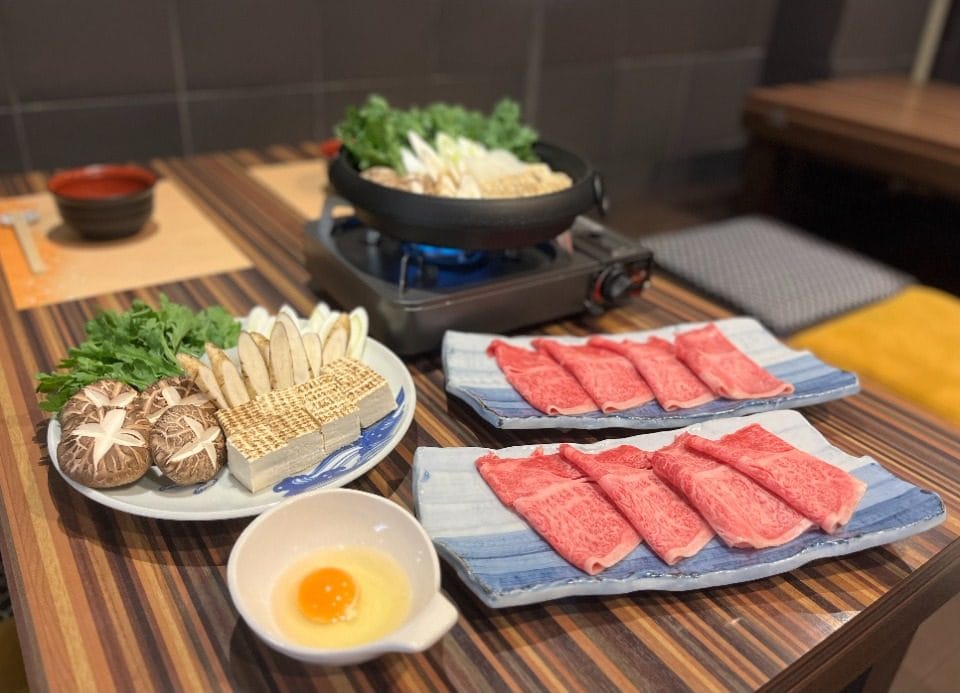
Halal SUKIYAKI Restaurant Diyafa in Shiba, Minato City, is one of Tokyo's more established halal sukiyaki destinations, popular with Muslim visitors from the Gulf, Southeast Asia, and beyond. The restaurant states that all its ingredients are halal, including halal wagyu, and that it serves no pork or alcohol, and it has a dedicated prayer room with wudu facilities. Please confirm current halal status and menu details directly with the venue before dining.
Roppongi is also home to mosques and prayer facilities used by the local Muslim community; the Azabu area has seen increased Muslim-friendly infrastructure in recent years. Confirm current prayer room availability via the Halal Navi app before your visit.
Halal Wagyu Sukiyaki in Kyoto: Tradition Meets Halal Compliance
Kyoto is arguably the most culturally immersive city in Japan, and it now has meaningful halal sukiyaki options for Muslim travelers who want the full traditional experience.
HALAL WAGYU SUKIYAKI 春爛〜HALRA〜京都 in Nakagyo Ward offers a Kyoto-style take on sukiyaki using halal-certified wagyu beef. The restaurant's aesthetic reflects Kyoto's refined dining culture, making it a popular choice for special occasions and group dinners. As with all venues in this guide, confirm current certification status and alcohol-free sauce availability when making your reservation.
Also in Nakagyo Ward, 和牛すき焼き京都ぱんが Wagyu Sukiyaki KYOTO PANGA is a halal-focused restaurant serving wagyu sukiyaki in a welcoming environment for Muslim diners. The venue advertises itself as a halal Japanese restaurant: verify current credentials before visiting, as certification details can change between publication and your travel dates.
Kyoto does not have a large mosque, but prayer rooms have been reported in some shopping centres and transport hubs. The nearest established mosque is in Osaka (approximately 15 minutes by shinkansen or 30-40 minutes by express train). Use the Halal Navi app to find the nearest qibla-facing prayer space from your Kyoto accommodation.
Many traditional Kyoto restaurants have tatami seating, which means removing your shoes and sitting at floor level. Worth knowing before you book if that is uncomfortable for you.
📱 Find halal restaurants, prayer rooms and Muslim-friendly places across Japan with the free Halal Navi app.
Download on the App Store · Get it on Google Play
Planning Your Visit: Prayer Facilities, Qibla Direction, and Practical Tips
Eating halal shabu-shabu and sukiyaki in Japan is increasingly straightforward, but prayer logistics require more planning. Here is what Muslim travelers should know:
- Qibla direction in Japan: Japan faces roughly west-northwest toward Mecca. Most halal restaurants cater to Muslim diners and can indicate the qibla direction if asked: some have prayer mats available on request.
- Prayer rooms in Tokyo: Narita International Airport has documented prayer rooms in Terminal 1 and Terminal 2. Haneda Airport also has prayer facilities: confirm current terminal locations before your flight.
- Wudu (ablution) facilities: Available at established mosques including Tokyo Camii (Yoyogi-Uehara) and the Osaka Ibaraki Mosque. Some halal restaurants in tourist-heavy areas have basic ablution-friendly restrooms.
- Alcohol-free environments: If you prefer a fully alcohol-free dining environment (no other tables ordering alcohol), confirm this with the restaurant in advance. Some halal venues operate in shared buildings where other restaurants serve alcohol, but the halal restaurant itself remains alcohol-free.
- Family and female-friendly seating: When booking halal hot pot restaurants, request private rooms (個室, ko-shitsu) if available, these are common in traditional Japanese restaurants and offer a more comfortable, private dining experience for families and female travelers.
Beyond Tokyo and Kyoto: Other Cities to Explore
While Tokyo and Kyoto offer the highest concentration of halal shabu-shabu and sukiyaki options, Muslim travelers venturing further afield are not without options.
In Osaka, the halal dining scene is vibrant, though shabu-shabu and sukiyaki options are less concentrated than ramen or street food. Search the Halal Navi app for current hot pot listings in the Namba-Dotonbori and Nishi areas.
For travelers passing through central Japan, ANA Crowne Plaza Hotel Toyama in the Chubu region has been reported as accommodating Muslim guests: confirm current prayer mat availability and halal breakfast options directly with the hotel when booking, as in-hotel policies vary.
Frequently Asked Questions: Halal Shabu-Shabu and Sukiyaki in Japan
Is shabu-shabu naturally halal in Japan? Not automatically. Traditional shabu-shabu broth may include alcohol-derived seasonings or non-halal meat sources. At dedicated halal restaurants, the broth is reformulated to be alcohol-free and the meat is halal-certified. Always confirm before ordering at a non-specialist venue.
What is the difference between halal-certified and Muslim-friendly restaurants in Japan? A halal-certified restaurant has been audited and approved by a recognised halal certification body, with documentation available. A Muslim-friendly restaurant has made efforts to accommodate Muslim diners, such as removing pork and alcohol from the menu, but may not hold formal certification. For stricter dietary requirements, seek certified venues and ask to view the certificate.
Can I find halal wagyu beef in Japan? Yes. Several restaurants in Tokyo and Kyoto now source halal-certified wagyu from certified abattoirs. HALRA in Nakagyo Ward, Kyoto, specialises in this and rates 4.9 across more than 1,200 Google reviews. Its Asakusa branch has closed permanently, so disregard older listings that still name it. Always confirm current supplier certification when visiting.
Where can I pray near halal hot pot restaurants in Tokyo? Tokyo Camii in Yoyogi-Uehara is the most accessible large mosque in Tokyo, with wudu facilities and a prayer hall. In Asakusa, the nearest mosque is Asakusa Mosque (Darul Arqam), about 1.1 km from Asakusa Station: search the Halal Navi app for other options near your dining location.
Is sukiyaki sauce (warishita) always alcoholic? Traditional warishita contains mirin and sake, both of which are alcohol-derived. Halal sukiyaki restaurants replace these with halal-certified alternatives. If you are dining at a non-specialist restaurant that claims to offer halal sukiyaki, ask specifically about the sauce ingredients.
Are private dining rooms available at halal sukiyaki restaurants in Japan? Many traditional Japanese restaurants offer private tatami rooms (個室). Halal-focused venues such as Halal SUKIYAKI Restaurant Diyafa in Shiba (Minato) may accommodate private dining requests: confirm availability and any minimum spend requirements when booking.
What should I do if I cannot verify a restaurant's halal status before visiting? If you are unable to confirm certification in advance, stick to the safest approach: order dishes with simple, identifiable ingredients (plain vegetable and beef shabu-shabu with broth on the side), ask the staff directly about alcohol and pork in the cooking process, and use the Halal Navi app to find verified alternatives nearby.
Discover More Halal Dining in Japan with the Halal Navi App
Finding the right halal shabu-shabu and sukiyaki restaurant in Japan should not feel like a research project. The Halal Navi app brings together Muslim-friendly and halal-certified restaurants, prayer room locations, and qibla direction tools in one place: designed specifically for Muslim travelers exploring Japan and Southeast Asia.
Download the Halal Navi app from the App Store or Google Play before your trip to search live listings, read traveler reviews, and plan your halal dining itinerary with confidence. Whether you are heading to Asakusa for wagyu sukiyaki, Ikebukuro for shabu-shabu, or Kyoto for a traditional hot pot experience, Halal Navi helps you eat well, pray on time, and travel with peace of mind.
About this article
Written and halal-verified by Zeshan Hayat, CMO & Head Halal Auditor, Halal Navi.
Update policy: If you spot outdated information, we will review and correct it within 7 days.
Disclosure: Halal Navi receives no payment from any restaurant or hotel in exchange for inclusion, and all recommendations reflect independent editorial judgment based on Muslim-friendly criteria. Some articles contain affiliate booking links (e.g. Trip.com); if you book through one, Halal Navi may earn a small commission at no extra cost to you.
Last verified: 2026-08-03