
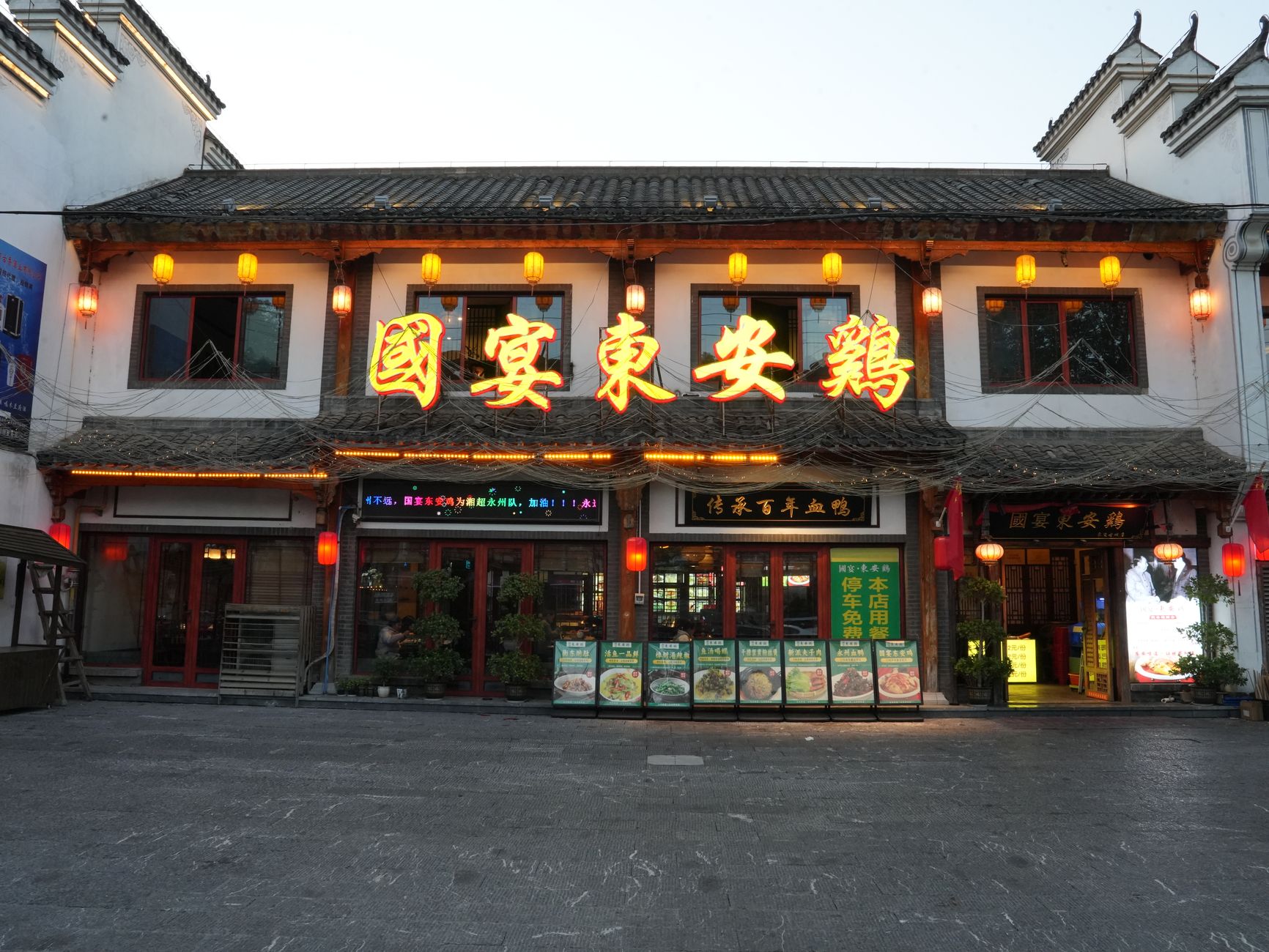
Can Muslims Eat in China? What Qingzhen Actually Means
Can Muslims eat in China? The short answer is yes, but it takes more than spotting a green crescent on a restaurant sign. China has a rich, centuries-old Muslim food culture centred on a concept called qingzhen (清真), and understanding what that word actually means, and where it falls short of internationally recognised halal standards, is the most important piece of preparation any Muslim traveler can do before their trip.
This guide breaks down qingzhen in plain terms, explains the regional differences that matter for your plate, and gives you practical strategies for eating confidently across mainland China.
What Does Qingzhen Mean, and Is It the Same as Halal?
The word qingzhen (清真) translates literally as "pure and true." It originated centuries ago as the Chinese rendering of Islamic principles and has been used by Chinese Muslims, predominantly the Hui ethnic group, to describe food, restaurants, and practices that conform to Islamic dietary law.
In everyday usage, qingzhen broadly means:
- No pork and no pork-derived ingredients
- No alcohol in cooking or as an ingredient
- Separate utensils and cookware from non-qingzhen kitchens (in observant establishments)
- Meat sourced from Muslim slaughterers (though verification varies widely by region and establishment)
So far this sounds close to halal. The critical difference is oversight. International halal certification, the kind issued by bodies recognised in Malaysia, Indonesia, or the Gulf, involves documented audits, ingredient traceability, and third-party inspection. Qingzhen in China is largely self-declared. There is no single national certification body with consistent enforcement. A restaurant owner can put a green crescent on their signage without independent verification of their slaughter practices or ingredient sourcing.
What this means practically: a qingzhen sign reliably tells you the kitchen avoids pork and alcohol. It does not automatically guarantee zabiha slaughter, the absence of cross-contamination, or that every sauce and seasoning is free of hidden haram ingredients. For many Muslim travelers this distinction shapes every meal decision they make in China.
Can Muslims Eat in China's Hui Muslim Heartlands?
The answer in the Hui heartlands, particularly Ningxia, Gansu, Qinghai, and parts of Shaanxi, is a confident yes, with considerably more ease than anywhere else in the country.
China's Hui Muslim population numbers around 10-12 million, and in their home provinces qingzhen food is not a niche offering; it is the dominant street food culture. Lanzhou, the capital of Gansu province, is the birthplace of hand-pulled beef noodles (lamian) that are sold by Muslim vendors throughout China and, increasingly, the world. In these regions:
- Qingzhen restaurants are visibly prevalent and culturally embedded.
- Butcher shops are often run by Muslim families with generational slaughter knowledge.
- Mosques are plentiful and prayer times are embedded in daily community rhythm.
- Locals will proactively separate qingzhen and non-qingzhen food preparation.
If you follow zabiha-only and want the closest approximation to a verified zabiha supply chain, the Hui heartlands give you the most reliable environment in mainland China, though formal third-party certification is still rarely present.
Can Muslims Eat in China's Major Tourist Cities Like Beijing and Shanghai?
Beijing and Shanghai both have dedicated qingzhen districts and restaurants, but the density and reliability differ substantially from the Muslim heartlands.
In Beijing, the Niujie (Ox Street) neighbourhood is the historic centre of Muslim life in the capital. The area has been a Hui community hub for over a thousand years. Niujie's main street is lined with qingzhen restaurants, halal butchers, and traditional Muslim pastry shops. The Niujie Mosque (Niujie Libai Si), one of the oldest mosques in China dating back to 996 CE, anchors the neighbourhood and includes prayer facilities open to visiting Muslims. This area gives Beijing visitors the most trustworthy qingzhen dining environment in the city: our Beijing guide walks the street restaurant by restaurant.
Shanghai's Muslim food scene is smaller but present. The Xiaotaoyuan Mosque at 52 Xiaotaoyuan Street in Huangpu District, the old walled-city side of Shanghai, not the French Concession, is the city's largest, built in 1917 and rebuilt in 1927. Several qingzhen restaurants operate nearby, though Shanghai overall has a lower density of Hui-run establishments than Beijing or the northwest provinces. Our Shanghai guide covers where to eat around it.
For major cities, the practical guidance is: seek out restaurants within or adjacent to established Muslim neighbourhoods and mosques rather than relying on isolated qingzhen signs in areas without a Muslim community presence, where the sign may be used more loosely.
What Are the Biggest Ingredient Risks Inside Qingzhen Restaurants?
Even in restaurants that genuinely avoid pork and alcohol, Muslim travelers should be aware of several hidden ingredient risks common in Chinese cooking:
Shaoxing wine and rice wine are staple cooking ingredients across Chinese cuisine. A qingzhen kitchen should exclude these, but in restaurants that serve mixed clientele or purchase pre-marinated ingredients from non-qingzhen suppliers, traces can appear.
Oyster sauce and fermented shrimp pastes contain shellfish, which is considered halal by most madhabs but haram according to some Hanafi interpretations. This is a personal decision based on your own practice: simply worth knowing the ingredient is widespread.
MSG and bouillon powders sold in bulk in China sometimes contain pork extract as a flavour base. In non-Hui-run qingzhen establishments, procurement diligence on these seasoning inputs may be lower.
Shared oil in frying is a relevant concern in busy restaurants that may not maintain separate fryers for qingzhen and conventional items. Whether shared oil is acceptable is your call based on your own practice.
The most practical mitigation: ask the kitchen staff directly (having a Mandarin phrase card helps), favour family-run Hui restaurants over large commercial operations, and treat community-embedded qingzhen establishments as more reliable than isolated green-sign venues.
📱 Find halal restaurants, prayer rooms and Muslim-friendly places in China and Japan with the free Halal Navi app.
Download on the App Store · Get it on Google Play
Do Chinese Airports and Train Stations Have Halal or Qingzhen Food Options?
Most major Chinese airports and high-speed rail hub stations include at least one qingzhen food counter or restaurant in their food court areas, typically labelled with a green crescent. Beijing Capital International Airport, Pudong International Airport in Shanghai, and Xi'an Xianyang International Airport, which serves a region with a significant Hui population, are among those where qingzhen options are commonly reported by Muslim travelers.
That said, airport qingzhen counters vary in rigour. The safest approach in transit is to carry your own snacks from verified sources for long journeys, particularly if you follow zabiha-only. Packaged foods in China bearing a qingzhen label are generally pork-free and alcohol-free, which covers the baseline requirements for many travelers.
For prayer facilities at Chinese airports, Beijing Capital and Shanghai Pudong have been reported by travelers as having multi-faith or quiet rooms. Policies and locations change; confirm directly with airport information desks on arrival.
Prayer Facilities and Mosque Access for Muslim Travelers in China
China has roughly 35,000 mosques, a density that makes finding prayer spaces more practical than in many other non-Muslim-majority countries. Key points for Muslim travelers:
- Niujie Mosque in Beijing is open to Muslim visitors and is one of the most accessible major mosques in the capital.
- Xiaotaoyuan Mosque in Shanghai's Huangpu District is the city's largest and the usual gathering point for Friday prayers.
- Many Hui-community mosques in provincial cities permit visiting Muslims to pray; qibla direction is marked inside the prayer halls.
- In hotel rooms, qibla direction can be confirmed using a compass app. Prayer mats are not typically provided by Chinese hotels; pack your own.
- Friday Jumu'ah prayers are accessible in established Muslim neighbourhoods. Confirm current local policies as regulations around religious gatherings have varied by region and year.
Frequently Asked Questions: Can Muslims Eat in China?
Is qingzhen food safe for Muslims to eat? Qingzhen food reliably excludes pork and alcohol, which covers the baseline halal requirement for many Muslim travelers. The gap versus internationally certified halal is that zabiha slaughter is not independently verified in most qingzhen establishments. Whether that is acceptable is a personal decision based on your own practice.
Where is the easiest place for Muslims to eat in China? The Hui Muslim heartlands, Ningxia, Gansu, Qinghai, and Shaanxi, offer the highest density of qingzhen food with the deepest cultural roots in Islamic dietary practice. Beijing's Niujie neighbourhood is the most accessible option for visitors to the capital.
Is there internationally recognised halal certification in China? China does not have a single, nationally standardised halal certification system aligned with bodies recognised by JAKIM (Malaysia), MUIS (Singapore), or Gulf certification authorities. Some export-focused food manufacturers in China pursue foreign halal certification, but this is rare among restaurants and street food vendors.
Can I find halal food at Chinese airports? Most major international airports in China have at least one qingzhen food counter. Availability and reliability vary; carrying your own verified snacks is a practical backup for long journeys.
What Mandarin phrases help Muslim travelers ask about ingredients? "Zhè ge yǒu méiyǒu zhūròu?" (这个有没有猪肉?): Does this contain pork? "Yǒu méiyǒu jiǔ?" (有没有酒?): Does this contain alcohol? Having these written out on your phone makes communication much easier.
What does the green crescent on a Chinese restaurant sign mean? It identifies the restaurant as qingzhen: following Islamic dietary principles as understood and practiced in Chinese Muslim tradition. It is a cultural and community marker, not a third-party certification stamp.
Do Chinese hotels provide halal food or prayer facilities? International chain hotels in major cities sometimes offer halal breakfast options or can arrange them on request: always confirm directly with the property before booking. Prayer mats and qibla direction markers are not standard; confirm your qibla using a compass app and bring your own prayer mat.
Where to Read Next
If you have a city booked, start with the street-level guides:
- Halal Food in Beijing: Niujie, copper-pot lamb hotpot, and the qingzhen houses around the Forbidden City
- Halal Food in Shanghai, where the qingzhen restaurants actually are in a city with a small Muslim community
- China Is Visa-Free for Malaysians: entry rules, payment apps, and what to set up before you fly
One practical note before you go: Google Maps does not work in mainland China. Save the Chinese name and address of every restaurant you plan to visit: showing the characters to a Didi driver works when an English name will not.
About this article
Written and halal-verified by Zeshan Hayat, CMO & Head Halal Auditor, Halal Navi.
Update policy: If you spot outdated information, we will review and correct it within 7 days.
Disclosure: Halal Navi receives no payment from any restaurant or hotel in exchange for inclusion, and all recommendations reflect independent editorial judgment based on Muslim-friendly criteria. Some articles contain affiliate booking links (e.g. Trip.com); if you book through one, Halal Navi may earn a small commission at no extra cost to you.
Last verified: 2026-09-01


