Is Gyumon Halal? Inside Japan's Biggest Halal Restaurant Group (2026)
Quick Answer: Gyumon is partially certified: the original halal wagyu yakiniku business, opened in Shibuya in 2007, holds certification from Malaysia Halal Corporation covering ingredients, seasonings and cooking method. The newer ramen, gyukatsu, sukiyaki and burger branches — which are most of what you will actually walk into — state that they cook to Islamic dietary law but do not name a certifying body, so for those you are relying on the operator's statement rather than a certificate. We counted 28 Google listings across eight cities carrying roughly 149,000 reviews, making Gyumon the largest halal restaurant operation in Japan. Gyumon Ikebukuro and the Shibuya ramen shop at 2-19-17 have prayer rooms with ablution areas; confirm for other branches when you book.
If you have eaten halal food in Japan recently, you have probably eaten at Gyumon without realising it was a chain. It is by a wide margin the biggest halal restaurant operation in the country, and no English guide names it as one.
The short answer to the question in the title. The original business — halal wagyu yakiniku, opened in Shibuya in 2007 — holds certification from Malaysia Halal Corporation. The newer ramen branches, which are most of what you will actually walk into, are not officially certified by any body they name. They state that they cook to Islamic dietary law, and that is the level of assurance you are working with.
Both of those things are true at once. The rest of this page is what to do with that.
Which Branch to Pick
Start with what you want to eat, because Gyumon is four restaurants wearing one name.
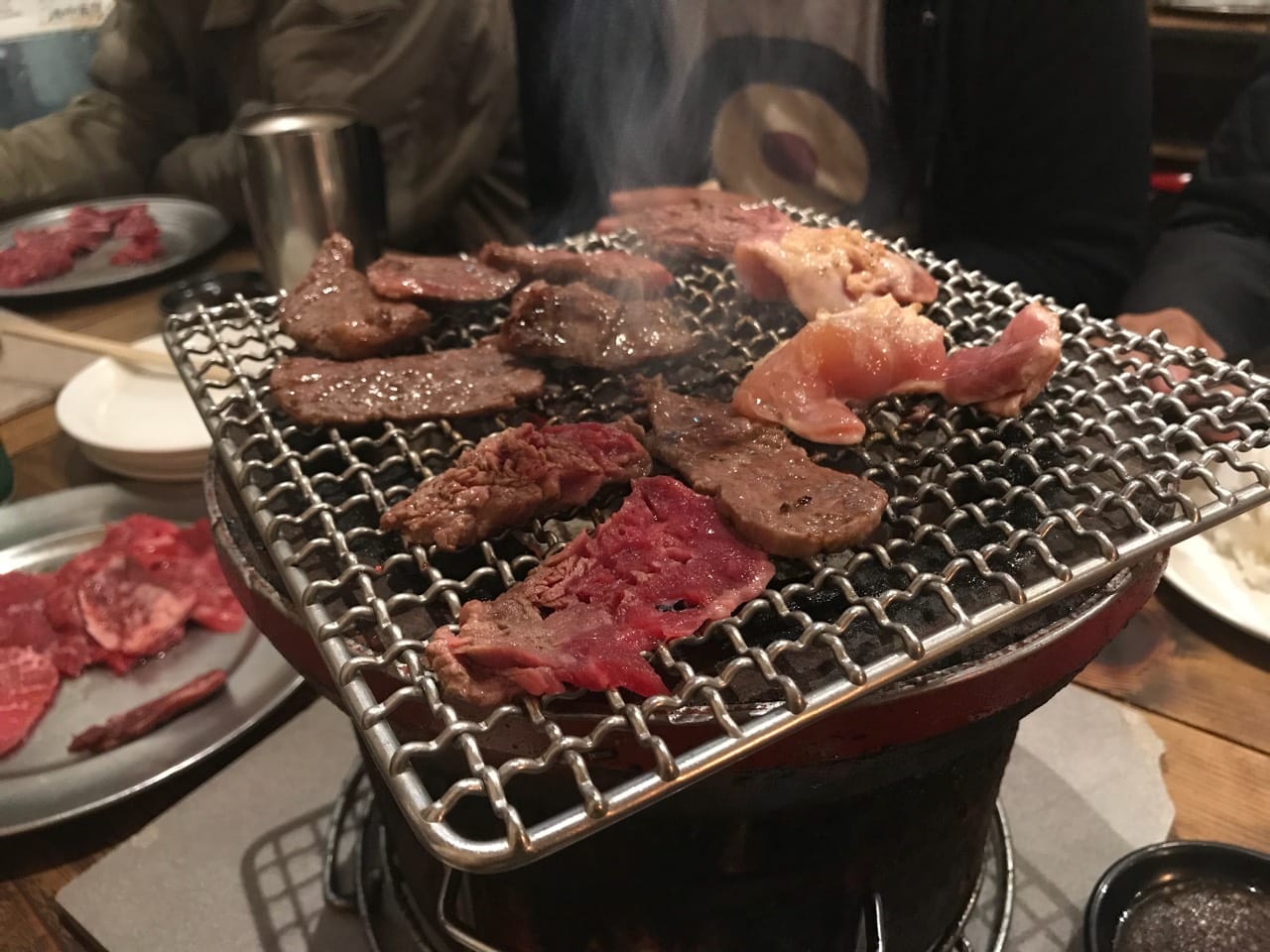
Yakiniku is the original. Charcoal grills, A5 halal wagyu, and the only line of the business with a certificate behind it. That is Shibuya 3-14-5, plus a second Shibuya room at 3-15-8 with the group's lamb restaurant, Hitsujimon, on the floor below.
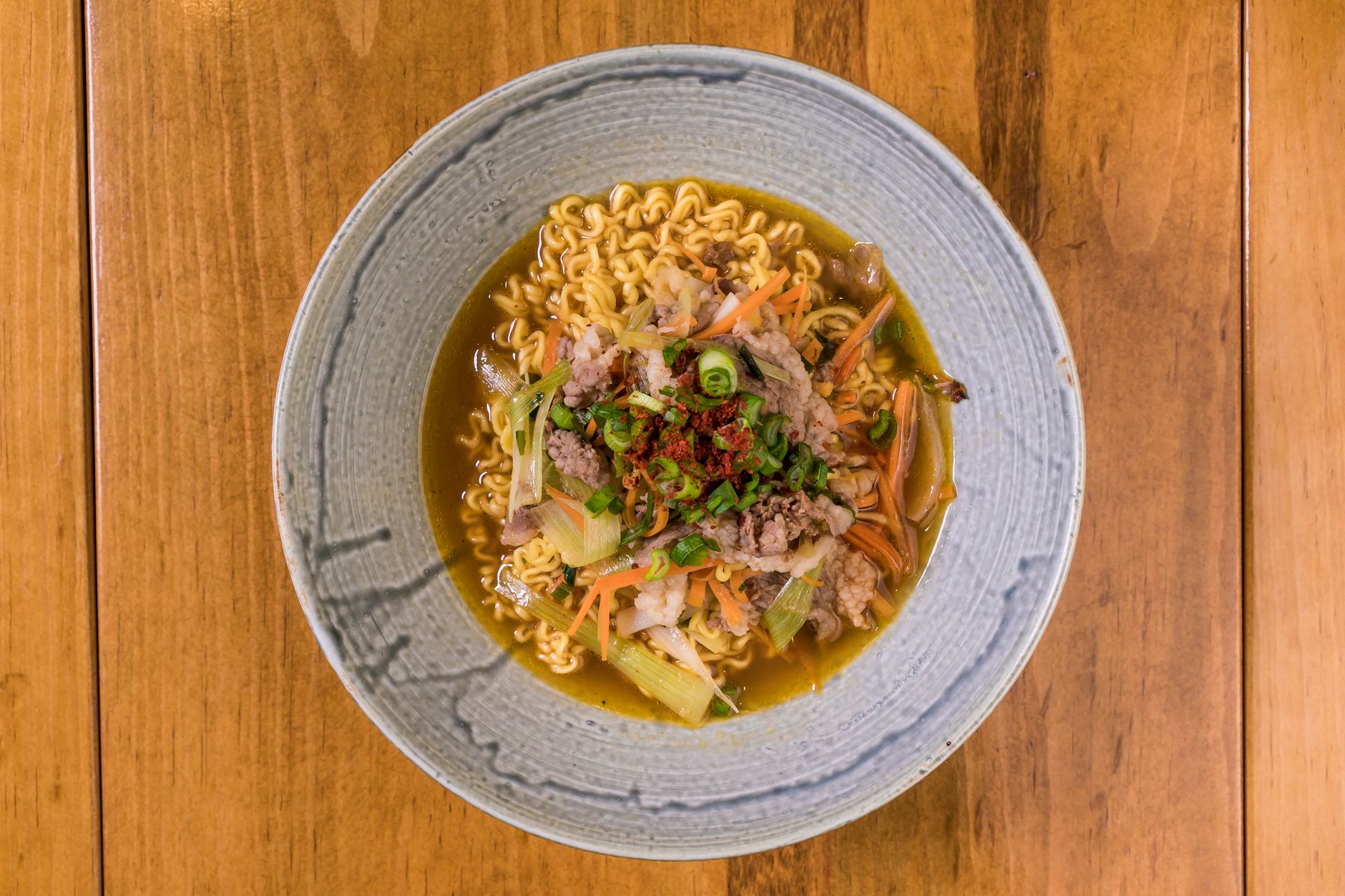
Ramen is what most people mean by Gyumon now — two broths, a rich beef bone and a spicy miso, with A5 wagyu on top. This is the line that spread to eight cities.
Gyukatsu is breaded wagyu cutlet, and it is what to order if you would rather chew your beef than drink it. Most ramen branches serve it alongside.
Sukiyaki and burgers fill in the rest: sukiyaki bowls at the ramen branches, a full sukiyaki restaurant in Osaka, and A5 wagyu burger counters in Shinjuku, Hiroshima and Naha.
Where the Prayer Rooms Are
This is the practical reason to choose Gyumon over a better-reviewed restaurant down the road.
Gyumon Ikebukuro, fourth floor at Ikebukuro 2-42-1, has a prayer room with an ablution area inside the restaurant. The Shibuya ramen shop at Shibuya 2-19-17 keeps one as well.
Very few restaurants anywhere in Japan have one, and it changes the shape of a long day. Do not assume every branch does — confirm when you book.
What the Certificate Covers, and What It Does Not
Here is the part worth reading slowly, because it is where most coverage of Japanese halal food goes wrong.
Gyumon Shibuya opened in 2007 as Japan's first halal wagyu yakiniku restaurant. That is the group's own account and the founding fact of the business, and that yakiniku operation holds Malaysia Halal Corporation certification covering ingredients, seasonings and cooking method.
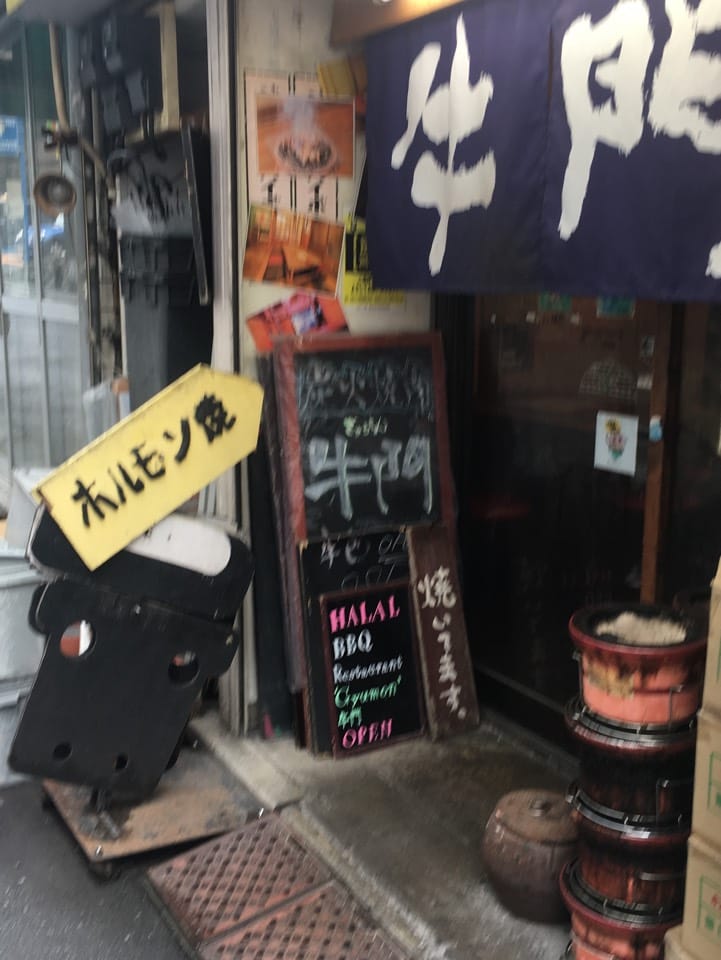
The group has grown well past yakiniku since — ramen launched in 2023, then gyukatsu, sukiyaki, burgers and lamb. We read the branch pages for Shibuya Center Gai, Asakusa, Ueno, Ikebukuro and Jinnan. Each says ingredients follow Islamic dietary law. None names a certifier.
A certificate held by a yakiniku restaurant in 2007 does not automatically extend to a ramen shop opened in another ward in 2024. That is not a criticism aimed at Gyumon. Japan has no single halal authority, certification is voluntary and expensive, and most halal restaurants here work exactly this way. Gyumon is the largest example, which makes it the clearest one to explain.
The Scale, Because Nobody States It
We counted the group's Google listings across Japan: 28 of them, carrying about 149,000 reviews between them, rated between 4.7 and 4.9 almost without exception.
The Shibuya ramen shop alone has 26,732 — the largest review count we have found for any halal restaurant in Japan.
Two things to keep straight about that. Listings are not restaurants: Center Gai on the fifth floor and Scramble in the basement of the same Shibuya building are genuinely two restaurants, but a burger counter listed separately at the same address is one visit. And review counts measure attention, not compliance. They tell you how many people found the food, and nothing at all about the kitchen.
Every Branch, by City
Shibuya has four ramen rooms within a few minutes of the crossing: the flagship at Shibuya 2-19-17, then Center Gai on the fifth floor and Scramble in the basement of the Shibu Building at Udagawacho 24-6, and Jinnan on the tenth floor of Park Way Terrace. Scramble runs 12:00–23:00, later than most.
Elsewhere in Tokyo: Asakusa at 6-12-5 and a second branch by Kaminarimon; Kabukicho and Shinjuku 3-34-11; Ikebukuro; Ginza 6-12-1, in a basement; Ueno at Higashiueno 2-18-1; and Ebisu.
Osaka: two on Dotonbori and a dedicated sukiyaki restaurant in Higashi-Shinsaibashi.
Kyoto: three, in Nakagyo, Higashiyama and Shimogyo wards. The Nakagyo one is among the group's largest.
Further out: Hiroshima on Hondori, Nara at Takamacho, and burger and gyukatsu counters on Kokusai Street in Naha.
📱 Find halal restaurants, prayer rooms and Muslim-friendly places across Japan with the free Halal Navi app.
Download on the App Store · Get it on Google Play
Why It Ended Up Everywhere
Look at where the branches are: Dotonbori, Kokusai Street, Kaminarimon, the Shibuya crossing, Higashiyama in Kyoto. These are the most expensive and most photographed addresses in Japan.
That is the opposite of how halal food usually arrives here. Most of it appears where Muslim residents live — Shin-Okubo, Kasai, Kamata, Ikebukuro 2-chome — and stays there, priced for a neighbourhood. Gyumon put halal wagyu on the tourist map and priced it as a destination meal.
The trade-off shows up in what you can check. A family kitchen in Ikebukuro is run by someone you can ask directly about the meat supply. A 26,000-review restaurant beside the world's busiest crossing is a system — which is why the certification question is worth pressing at this scale, and why publishing the branch certificates would settle it.
Three Things to Check Before You Go
Which line of business you are eating. Yakiniku is the certified original. Ramen, gyukatsu, burgers and sukiyaki came later. Ask the branch what covers that kitchen.
Whether that branch has a prayer room. Ikebukuro and Shibuya do. For the rest, confirm.
Which branch you booked. With four Gyumon rooms inside a few minutes of Shibuya station, the reservation and the door you turn up at are easy to get wrong.
What We Could and Could Not Verify
Verifiable: Malaysia Halal Corporation certification on the 2007 Shibuya yakiniku business. The group states it.
Operator statement only: every ramen branch we checked publishes that ingredients follow Islamic dietary law, and none names a certifying body.
Not inspected: we have not seen certificates for individual branches, and we did not ask the company for them before publishing.
Measured, not judged: the 28 listings and roughly 149,000 reviews are our own count from Google on 5 August 2026. They describe how visible the group is, not whether any particular kitchen is compliant.
Frequently Asked Questions About Gyumon
Is Gyumon halal? The original business — halal wagyu yakiniku, opened in Shibuya in 2007 — holds certification from Malaysia Halal Corporation. The company states across its sites that its dishes follow Islamic dietary law and use A5-grade halal wagyu. The branch pages for the newer ramen restaurants do not name a certifying body, so for those you are relying on the operator's commitment rather than a certificate you can look up.
How many Gyumon branches are there? We counted 28 Google listings across eight cities — Tokyo, Osaka, Kyoto, Hiroshima, Nara and Naha among them — carrying roughly 149,000 reviews between them. Some addresses hold more than one listing, such as a ramen shop and a burger counter in the same building, so the number of separate visits is lower than 28.
Which is the biggest Gyumon? By review volume, the ramen shop at Shibuya 2-19-17, rating 4.9 across 26,732 Google reviews — the largest count we have found for any halal restaurant in Japan. Asakusa is second and Osaka's Dotonbori branch third.
Does Gyumon have a prayer room? Several branches do. Gyumon Ikebukuro has a prayer room with an ablution area inside the restaurant, and the Shibuya ramen shop keeps one as well. That is unusual for a restaurant group anywhere in Japan — but confirm for your specific branch when you book rather than assuming.
What should I order at Gyumon? The beef-bone broth ramen is the house dish and the spicy miso is the hot version, both topped with A5 wagyu. Gyukatsu — breaded wagyu cutlet — is the better choice if you would rather eat the beef than drink it. Sukiyaki bowls appear at most ramen branches, and the Shibuya restaurants do charcoal yakiniku, which is the original and the only certified line.
Is Gyumon certified by a Japanese halal body? Not by one it names. The certification we can point to is from Malaysia Halal Corporation, covering the original Shibuya yakiniku business. Japan has no single halal authority and certification is voluntary, so most halal restaurants here operate on operator statements — Gyumon is the largest example of that pattern rather than an exception to it.
Where is Gyumon in Osaka and Kyoto? Osaka has two branches on Dotonbori and a dedicated sukiyaki restaurant in Higashi-Shinsaibashi. Kyoto has three, in Nakagyo, Higashiyama and Shimogyo wards, with the Nakagyo branch among the largest in the group.
Find Halal Wagyu Across Japan with Halal Navi
Gyumon is the easiest halal meal to find in Japan and the one most worth understanding before you book — because at this scale, "halal" means a certificate on part of the menu and an operator's promise on the rest.
Download the Halal Navi app to check what is open today, and which venues near you can name the body that certified them.
About this article
Author: Aisha Rahman, Halal Navi Editorial Team. Aisha Rahman is a pen name used by the Halal Navi editorial team to maintain consistency across our halal verification reporting. Editorial responsibility is held collectively by our Halal Verification Team.
Reviewer: Halal-reviewed by Zeshan Hayat (Lead Halal Auditor, Halal Navi / Founder, HHAJ). Zeshan holds ISO 9001:2015 Internal Auditor and ISO 19011 Auditor credentials. See our editorial standards for the full review process.
Update policy: We re-verify every claim in this article quarterly. If you spot outdated information, we will review and correct it within 7 days.
Disclosure: Halal Navi receives no payment from any restaurant or hotel in exchange for inclusion, and all recommendations reflect independent editorial judgment based on Muslim-friendly criteria. Some articles contain affiliate booking links (e.g. Trip.com); if you book through one, Halal Navi may earn a small commission at no extra cost to you.
Last verified: 2026-08-05