Ginzan Onsen for Muslims: The Winter Trip Worth the Effort
Quick Answer: Ginzan Onsen, in Obanazawa (Yamagata), is one of the most beautiful winter towns in Japan, and it can work for Muslim travellers if you plan it in advance. Stay overnight: in recent winters the town has restricted day visitors, especially in the evening, and the 2026–27 rules had not been published as of 29 September 2026. There is no halal restaurant and no mosque in the area, so either book a room-only or breakfast plan and bring your own food, or agree a detailed meal request in writing with your ryokan. Pray in your room, and book a room with its own bath or a reservable private bath (kashikiri) at the time of booking. For halal meals and a prayer room before or after, Sendai is the nearest city with options.
Japan's most photographed snow town has an entry system, no halal restaurant and no mosque nearby. Here's how to do it properly anyway.
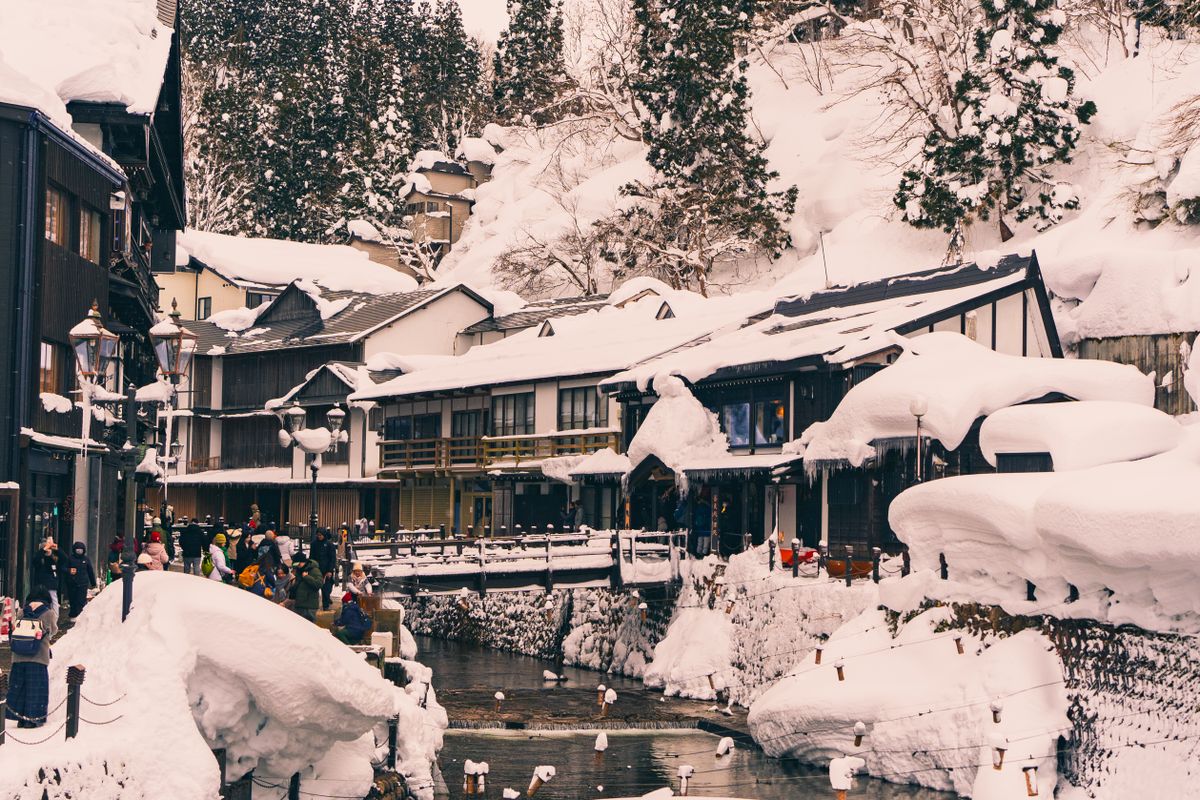
You've seen the photograph even if you don't know the name. A narrow river running between two rows of wooden inns, gas lamps glowing along the bank, snow falling thick in the lamplight, everything the colour of old gold against a navy sky.
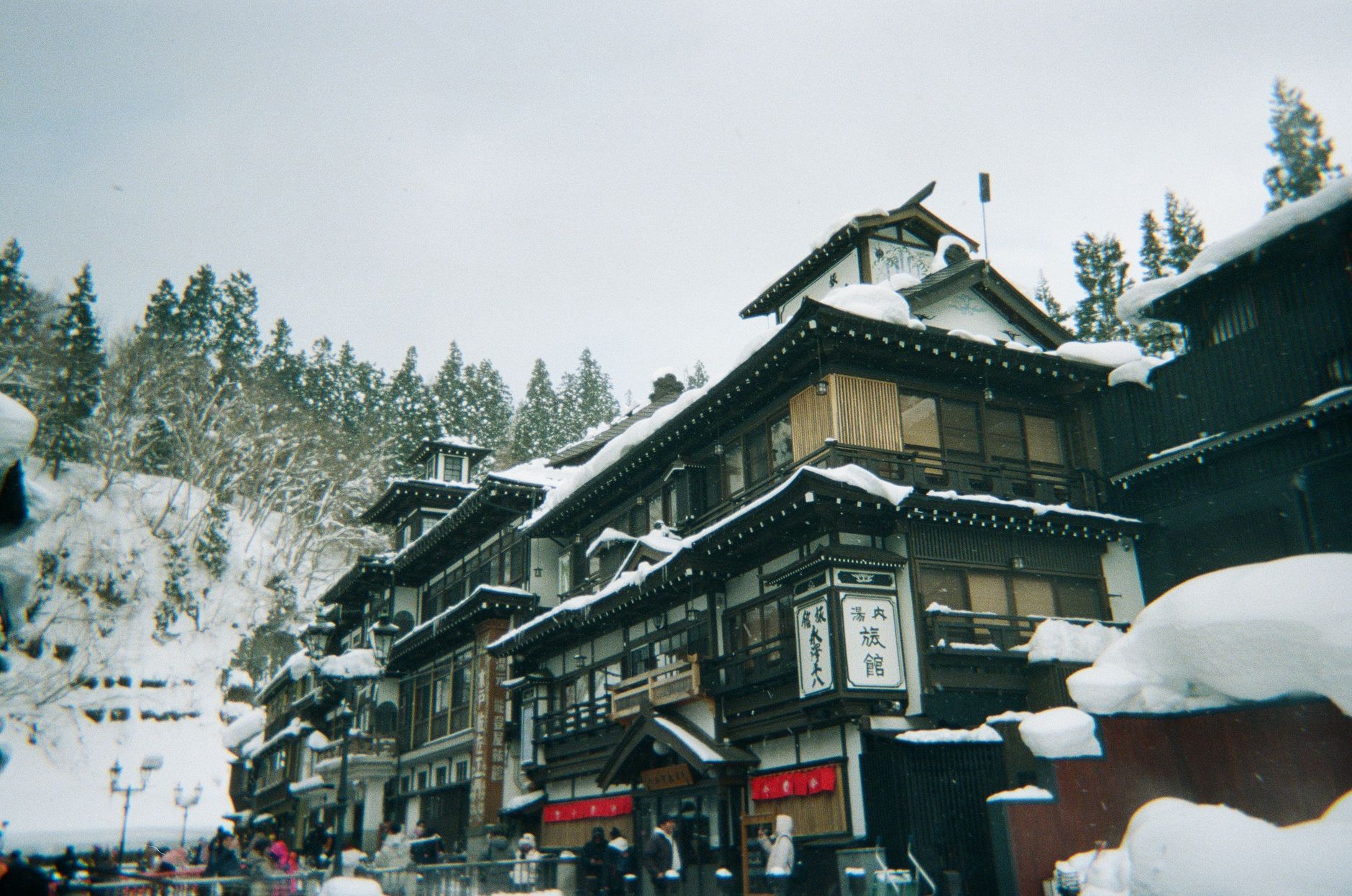
That's Ginzan Onsen, in the mountains of Yamagata Prefecture. The name means "silver mountain": the town grew up around a silver mine, and the Taisho-era wooden ryokan with their exposed timber and white plaster walls are still standing. In winter the whole place looks like a film set. It's widely cited as an inspiration for the bathhouse in Spirited Away, and it was a filming location for the NHK drama Oshin.
Now the honest part.
Ginzan Onsen is not an easy trip for a Muslim traveller, and it's not a place you can improvise. There is no mosque in the area and no halal restaurant. Ryokan dining is set kaiseki, built around ingredients and seasonings that are frequently a problem. And since the 2024–25 winter there has been an entry system that turns away people who didn't plan.
We still think it's worth going. But only if you plan it the way this guide sets out.
Part 1: The entry system — read this before booking anything
To deal with congestion and safety problems on the narrow, snowy road into town, Obanazawa City has restricted visitor access in the winter high season since 2024–25.
How it has worked recently:
- Restriction period: roughly late December to the beginning of March (last winter, about 20 December to 1 March).
- During the day: day visitors are welcome. Private and rental cars park at the Taisho Roman-kan visitor centre, about 1.3–2 km before the town, and a shuttle bus takes you in. The city listed the daytime shuttle at ¥500.
- Early evening (17:00–20:00): a limited number of day visitors, with advance reservation and paid, named tickets (about ¥1,100 in 2024–25).
- From 20:00 until the next morning: no day visitors. Only residents, staff and people with accommodation or restaurant bookings.
⚠️ Critical: the 2026–27 rules had not been published as of 29 September 2026. Treat the above as a planning baseline and confirm on the official Ginzan Onsen site before you book anything non-refundable. Dates, hours and prices have changed from one winter to the next.
What this means in one sentence: if you want to see the famous gas-lit night view, the reliable way is to stay overnight.
Day visitors can get an evening entry ticket, but the window is narrow and the numbers are capped. Overnight guests walk out of their ryokan late in the evening into an empty, lamp-lit, snow-falling street with almost nobody in it, which is the entire reason to come.
Part 2: Getting there
Ginzan is in Obanazawa, Yamagata. It's not close to anything.
The usual route from Tokyo:
- Tokyo → Oishida on the Yamagata Shinkansen (Tsubasa), about 3 hours 20 minutes. Reserve your seat, especially for winter weekends.
- Oishida → Ginzan Onsen on the Hanagasa bus, about 40 minutes, ¥1,000 one way. There are only a handful of buses a day (the winter timetable adds a few more), so check the timetable before you choose your Shinkansen; arriving at Oishida after the last bus is the most common way this trip goes wrong.
If you're staying overnight: many Ginzan ryokan offer a pick-up from Oishida Station for their guests. Ask when you book and arrange the time directly with the ryokan; it removes the bus problem entirely.
The train is more reliable than driving in winter, and with the car restrictions there is very little upside to a rental car here.
From Sendai: Ginzan is also reachable from Sendai by train via Yamagata and then the bus from Oishida, roughly two to two and a half hours. That matters for the food question — see below.
Part 3: The food problem, and how to solve it
This is the crux of the trip.
Ginzan Onsen ryokan serve set kaiseki. Dinner is a fixed multi-course meal, and it will typically involve dashi made with bonito and often mirin, cooking sake and soy sauce that contains alcohol. There is no halal restaurant in the town. Many ryokan will accommodate a vegetarian or seafood-only request with enough notice, but vegetarian is not halal, and in Japanese cooking the seasonings are usually where the problem lives.
Three workable strategies
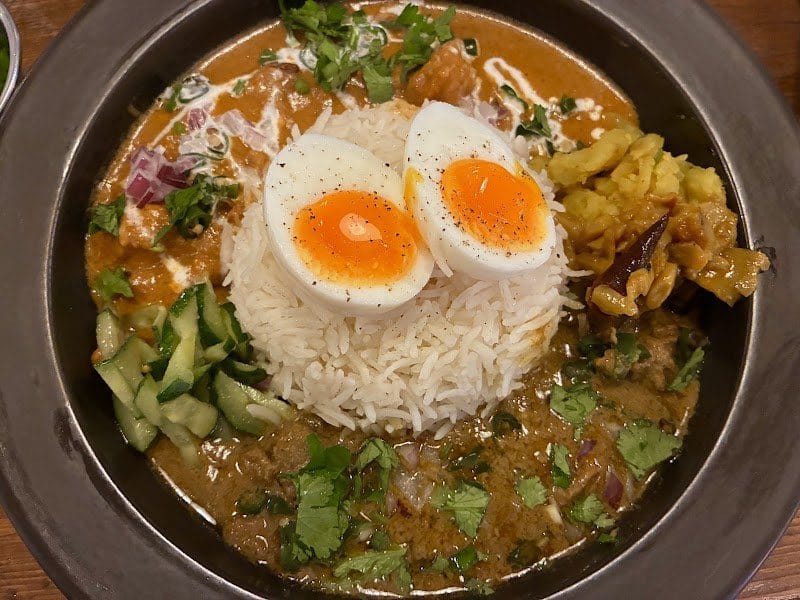
Strategy 1 — Book room-only or breakfast-only and eat what you brought. This is the most reliable option, and it's what many Muslim travellers do in rural Japan. Book a room-only (sudomari) or breakfast plan rather than the usual dinner-included plan, and bring your own dinner: halal instant noodles, retort curry, dates, nuts, fruit, bread. Ask the ryokan whether there is a kettle or hot water available. You lose the kaiseki experience, which is a real loss, but you gain certainty.
Strategy 2 — Agree a fish-and-vegetable meal in writing, well in advance. Email the ryokan and be specific. Not "Muslim food, please", which means little. Ask them to prepare a meal with no meat, no pork products, no mirin, no cooking sake and no alcohol-containing soy sauce, and ask them to confirm each point in writing. Japanese ryokan take specific written dietary requests seriously; they struggle with vague ones. Yamagata has a strong tradition of mountain vegetables (sansai), so a good vegetable-and-fish meal is possible here. Give them at least two weeks.
Strategy 3 — Eat halal in Sendai before or after. Sendai is the nearest city with halal options, so a route through Sendai lets you eat properly on either side of the Ginzan night. Spice Curry and Cafe Halal Hub and Indian Restaurant RAJ Sendai both serve a halal menu; no certifying body is named for either, so confirm when you arrive. Sendai also has a prayer room near Itsutsubashi Station. See our Sendai halal guide for the full picture.
What to pack
Treat this as a mountain expedition on the food front:
- Halal instant noodles and retort curry (buy them in Tokyo, for example in Shin-Okubo, before you leave)
- Dates, nuts, dried fruit
- Bread, biscuits, peanut butter
- Instant coffee or tea
- Cash. Small mountain businesses are often cash-first.
Part 4: Prayer
There is no mosque in the Ginzan area. Realistically, you pray in your room, which in a ryokan is close to ideal: tatami floors, quiet and private.
Bring a prayer mat and a qibla app. The qibla from Yamagata is roughly west-northwest; check with your app rather than guessing.
If you need a congregation: the nearest Muslim communities are in Sendai and Yamagata City. If Jumu'ah matters to your itinerary, plan so that Friday falls on a Sendai day, not a Ginzan day, and check the prayer time locally; the Halal Navi app lists Sendai's prayer places.
Part 5: The onsen question
The other reason people hesitate about this trip.
Ginzan's ryokan have hot-spring baths, and the standard Japanese onsen is communal, gender-separated and nude. For most Muslim travellers that's a non-starter.
The solution is a kashikiri or private bath (貸切風呂). Some Ginzan properties offer a private bath you reserve for a time slot, and some have rooms with their own bath.
Book a room with its own bath, or confirm a reservable private bath, at the time of booking. These sell out first in the December–February window, and Ginzan ryokan are small. This is not a decision you can leave until arrival.
A note on yukata: ryokan provide yukata to wear around the property and often out into the street, and in Ginzan part of the charm is people walking the riverside in them in the snow. Wearing one over your own clothing is completely normal.
Part 6: What you actually do there
Honest answer: not very much, and that's the point.
Ginzan is essentially one street along a river, a short walk end to end. You are not going for activities; you're going for a single, extraordinary atmosphere.
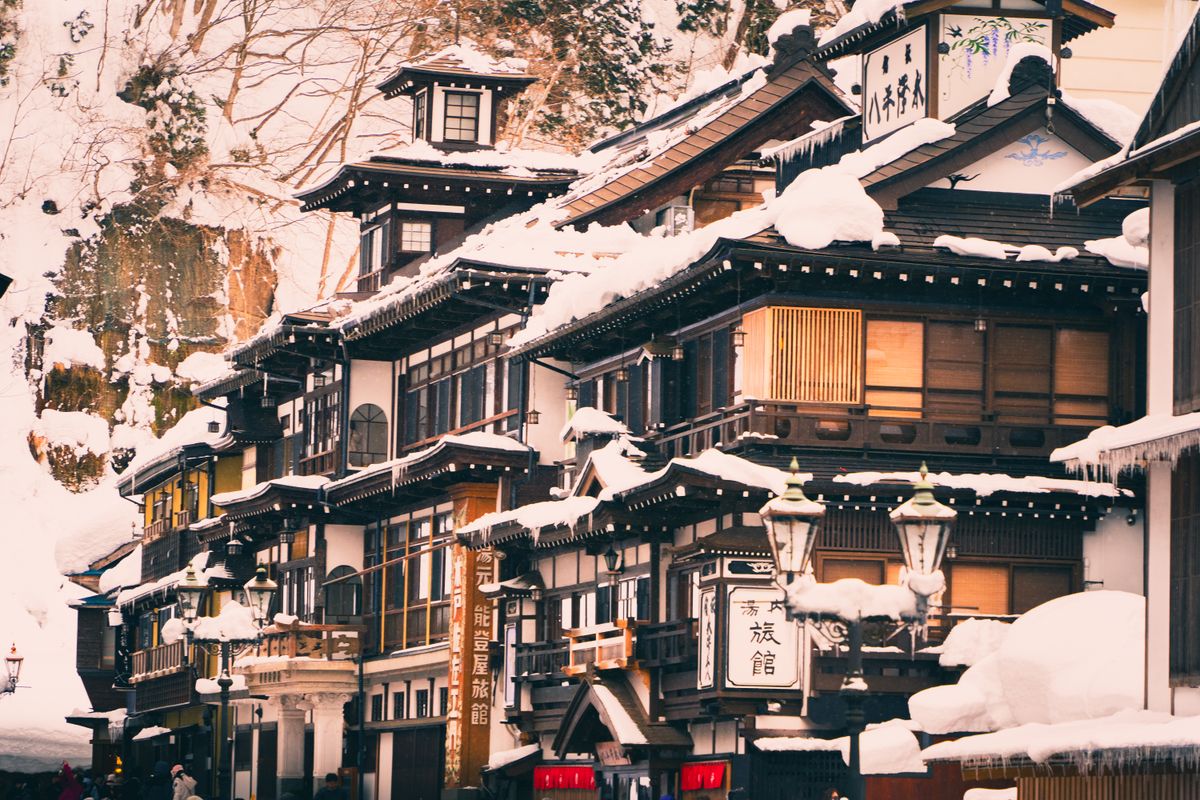
- Walk the street at dusk as the gas lamps come on. This is the shot.
- Walk it again later in the evening, after the day visitors have gone and the town belongs to overnight guests.
- The bridges over the river are the classic viewpoints. Everyone stands there. You will too.
- Shirogane Falls, a short walk beyond the town.
- Fujiya, the ryokan redesigned by the architect Kengo Kuma: a striking modern, screened interior in the middle of all that Taisho woodwork. Worth looking at from the street even if you're not staying.
- Sit in your private bath and watch the snow fall. Genuinely, this is the trip.
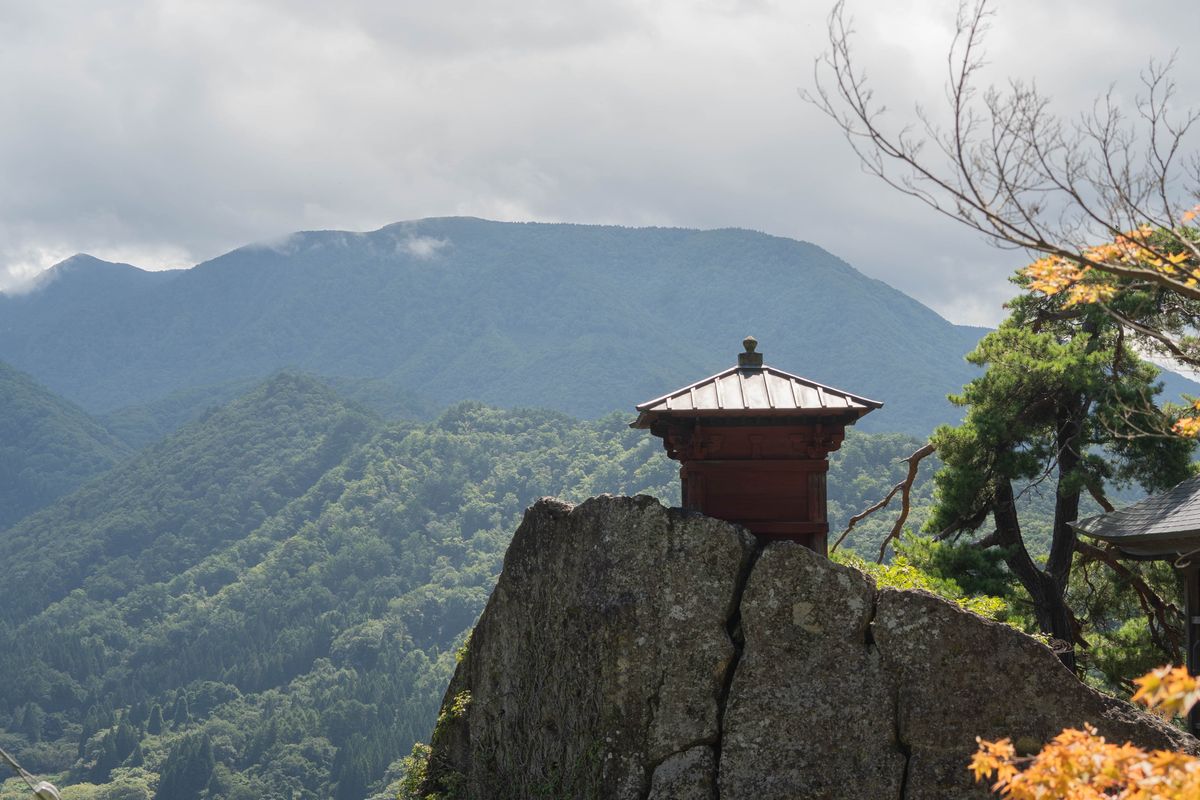
Pair it with: Yamadera, the cliffside temple outside Yamagata City with a long stone staircase up through cedar forest, one of the most atmospheric places in Tohoku and striking under snow. It fits a natural three-day route: Tokyo → Yamagata City and Yamadera → Ginzan overnight → back, or a route through Sendai for halal meals.
Part 7: What it costs
Fares we could confirm:
| Item | Cost |
|---|---|
| Oishida ↔ Ginzan Hanagasa bus | ¥1,000 each way, or ryokan pick-up where offered |
| Daytime shuttle from Taisho Roman-kan (day visitors, last winter) | ¥500 |
| Evening entry ticket, 17:00–20:00 (day visitors, 2024–25) | about ¥1,100 |
For the Shinkansen and the ryokan, check live prices for your dates: Ginzan ryokan are small, demand in winter is far higher than supply, and prices reflect that. Book early for a winter weekend; rooms with private baths go first.
The Ginzan checklist
- Check the 2026–27 entry rules on the official Ginzan Onsen site before booking anything non-refundable.
- Stay overnight. It's the reliable way to see the night view, and the night view is the reason to come.
- Book a room with its own bath, or confirm a reservable private bath, at the time of booking.
- Ask about a pick-up from Oishida Station when you book, and check the bus timetable as a backup.
- Decide your food strategy before you book the room: room-only plus your own supplies, or a written, specific meal request at least two weeks out.
- Route through Sendai if you want halal meals before or after.
- Reserve Shinkansen seats.
- Bring cash, a prayer mat and proper snow boots. The street is snow and ice, and it is slippery.
- If Friday matters, spend it in Sendai, not Ginzan.
Ginzan Onsen asks more of a Muslim traveller than most places in Japan: no mosque, no halal kitchen and a booking system that punishes improvisation. And then you walk out of a wooden inn in the evening, into falling snow, under gas lamps, on a street with almost nobody else in it. Plan it properly and it's one of the great nights of travelling anywhere.
Entry rules, fares and venues checked on 29 September 2026. The 2026–27 winter rules were unpublished at the time of writing — confirm before booking.
About this article
Written and halal-verified by Zeshan Hayat, CMO & Head Halal Auditor, Halal Navi.
Update policy: If you spot outdated information, we will review and correct it within 7 days.
Disclosure: Halal Navi receives no payment from any restaurant or hotel in exchange for inclusion, and all recommendations reflect independent editorial judgment based on Muslim-friendly criteria. Some articles contain affiliate booking links (e.g. Trip.com); if you book through one, Halal Navi may earn a small commission at no extra cost to you.
Last verified: 2026-09-29