Are Japan's Chain Restaurants Halal? Yoshinoya, Sukiya, Sushiro
Quick Answer: Most mainstream Japanese chain restaurants are not halal-certified, and Muslim travelers should approach them with caution. As of 2026, major gyudon chains (Yoshinoya, Matsuya, Sukiya), conveyor-belt sushi chains (Sushiro, Kura Sushi, Hamazushi), udon chain Marugame Seimen, and mainstream Japanese curry chains none hold chain-wide halal certification in Japan, with standard menus typically containing mirin, sake, pork-derived ingredients, or shared cooking environments that create cross-contamination risks. Dedicated halal-friendly alternatives exist in major cities — including halal ramen in Asakusa, halal wagyu sukiyaki in Kyoto, and halal Japanese set meals near Senso-ji — though readers should confirm current certification status directly with each venue before visiting.
One of the first questions Muslim travelers ask when planning a trip to Japan is: can I eat at Japanese chain restaurants? Gyudon shops, conveyor-belt sushi, udon chains, and curry houses are everywhere — affordable, fast, and deeply woven into everyday Japanese food culture. But are these Japanese chain restaurants halal? The short answer is: most mainstream chains are not halal-certified, and many use pork or alcohol in their cooking. The good news is that verified halal-friendly alternatives exist, and knowing exactly where each chain stands will save you time, stress, and uncertainty on the ground.
Are Yoshinoya and Gyudon Chains Halal in Japan?
Yoshinoya, Matsuya, and Sukiya are the three giants of Japan's gyudon (beef bowl) scene. As of 2026, none of these chains holds a halal certificate in Japan for their standard domestic menus. Yoshinoya uses a beef broth base that may contain non-halal processing elements, and their sauce typically contains mirin (a rice wine seasoning). Matsuya's menu similarly contains alcohol-based seasonings.
None of the three gyudon giants operates under a chain-wide halal certification in Japan, and their standard sauces and broths typically involve mirin or supply chains that are not halal-verified. Rather than risk a standard branch, Muslim travelers are far better served by dedicated halal donburi and set-meal (teishoku) restaurants — several of which are highlighted below.
For a genuinely halal beef bowl or donburi experience in Tokyo, Donburi Chaya in Sapporo is a popular option among Muslim diners, and in Tokyo's Asakusa area, Sankyu Halal Japanese Food and Sankyu Halal Ramen Japanese Food Asakusa 三休ハラール日本料理浅草店 serve Japanese-style donburi and set meals with proper halal-conscious preparation — confirm current certification status when visiting.
Is Sushiro (and Conveyor-Belt Sushi Chains) Halal in Japan?
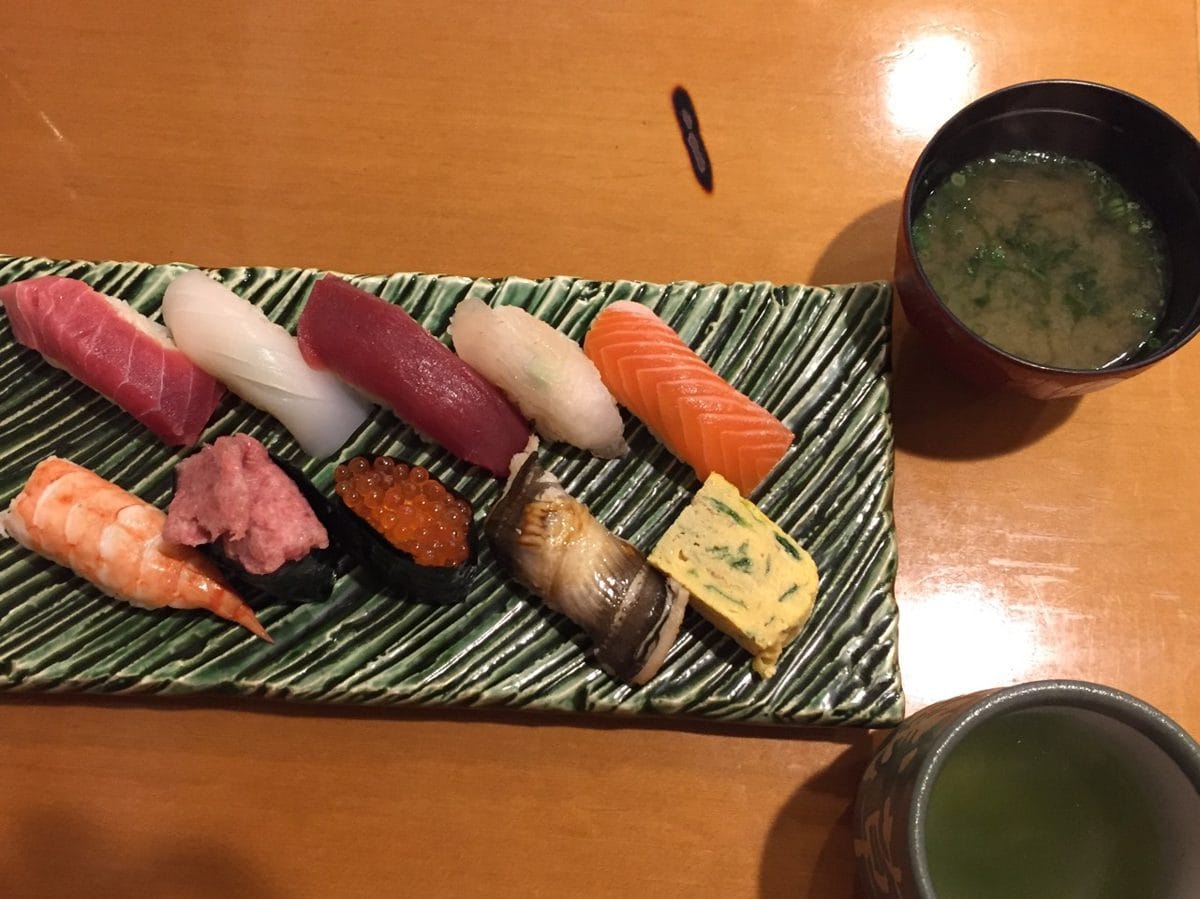
Sushiro, Kura Sushi, Hamazushi — Japan's kaiten-zushi (conveyor-belt sushi) chains are wildly popular and budget-friendly, but their kitchens are shared environments where fish, shellfish, roe, and occasionally pork-derived ingredients (such as tamagoyaki made with dashi containing non-halal fish paste) are all prepared together. As of 2026, no major conveyor-belt sushi chain in Japan has obtained halal certification for its domestic restaurants.
Because these are shared kaiten environments, cross-contamination risk is real even for the seafood-only plates, and there is no chain-level halal assurance. Muslim travelers who want sushi with proper halal-conscious handling should choose a dedicated venue instead. Asakusa Sushi Ken in Tokyo's Asakusa (Taito ward) is reported as a Muslim-friendly sushi option popular with halal-conscious diners — please verify current policy before visiting.
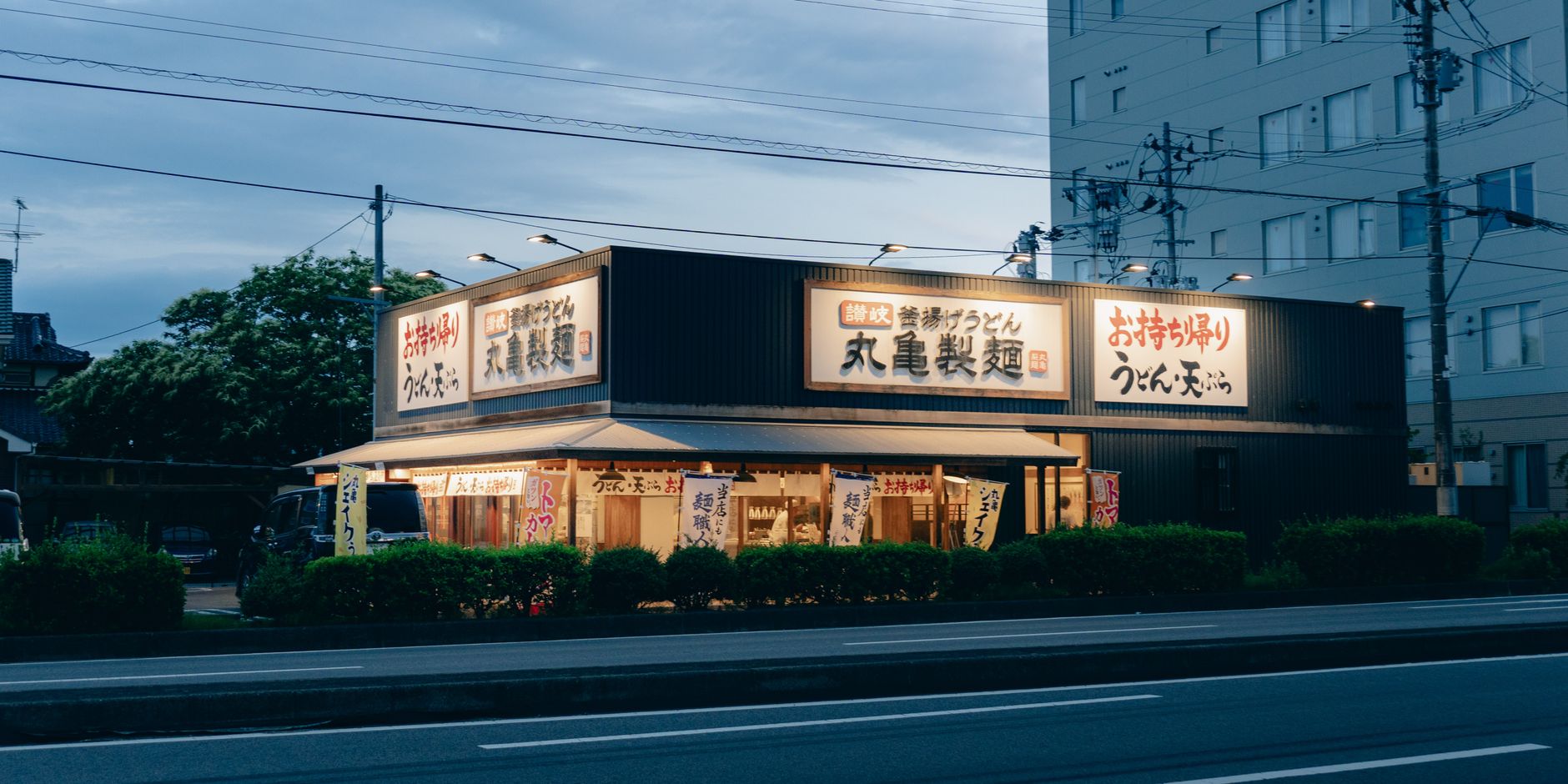
Is Marugame Seimen (Udon Chain) Halal in Japan?
Marugame Seimen is Japan's largest udon chain with hundreds of locations. Their noodles are made fresh in-store, which is a draw for many visitors. However, Marugame's dashi broth — the foundation of their udon — is made from bonito flakes (katsuobushi) and may contain non-halal additives depending on the location. The chain does not hold halal certification, and some tempura toppings are fried in shared oil alongside pork-based items.
As of 2026, Marugame Seimen has no announced halal-certified branches in Japan. Muslim travelers who follow a strict halal diet are advised to avoid the standard menu. For Japanese tempura and udon experiences that are halal-conscious, Fuji Tempura IDATEN Kawaguchiko Station near Mt. Fuji in Minamitsuru is a well-known option for Muslim visitors to the Fuji Five Lakes area — confirm current halal status when booking your visit.
Are Japanese Curry Chain Restaurants Halal?
Japanese curry chains are popular and affordable, but the halal picture is complicated. Standard Japanese curry roux sold commercially — and used by most chains — often contains pork lard or alcohol-based flavouring agents. As of 2026, mainstream Japanese curry chains do not operate halal-certified branches in Japan, so Muslim travelers following a strict halal diet should seek out dedicated halal curry restaurants instead.
For a genuinely halal alternative to the chains in Tokyo, seek out a dedicated halal venue. In the Ikebukuro area, HALAL Uyghur Restaurant Dolan & Bull Brothers Lanzhou Beef Noodles Ikebukuro in Toshima ward offers hearty halal noodle and rice dishes if you want a Central Asian-influenced meal with clear halal credentials — confirm current status when visiting.
Are Yakiniku and Wagyu Chains Halal in Japan?
Yakiniku (Japanese BBQ) chains vary enormously. Budget chains often use pork cuts and non-halal marinades, and shared grills mean cross-contamination is almost certain. However, there is a growing number of standalone halal wagyu and yakiniku restaurants in Japan's major cities that cater specifically to Muslim travelers.
In Tokyo's Roppongi-Azabu area (Minato ward), (Yakiniku Ushizaka) 炭火焼肉 うしざか is a charcoal yakiniku spot reported as popular with Muslim visitors — verify current halal policy when booking. Also in Minato ward, Halal SUKIYAKI Restaurant Diyafa offers a dedicated halal sukiyaki experience. In Ginza, GINZA THE EMPEROR / ギンザエンペラー Halal Wagyu Yakiniku serves A5 wagyu in a premium halal-conscious setting — confirm certification details directly before your reservation.
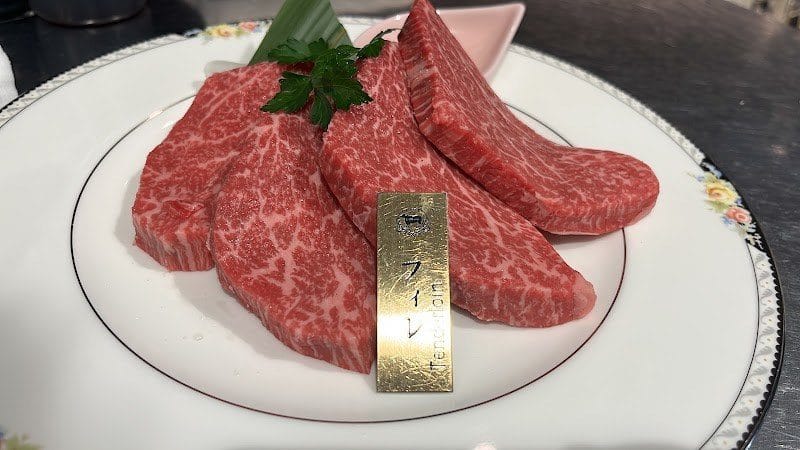
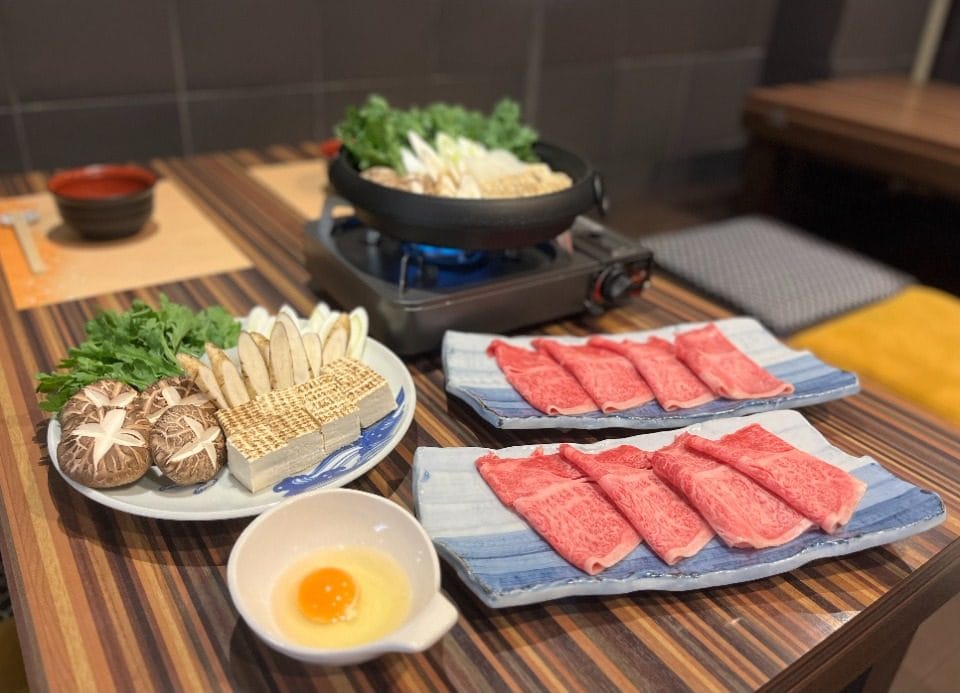
For sukiyaki lovers, HALRA (HALAL WAGYU SUKIYAKI 春爛) in Nakagyo Ward, Kyoto, serves halal wagyu sukiyaki and rates 4.9 across more than 1,200 Google reviews. Its Asakusa branch has closed permanently, so ignore older listings that still name it. In Kyoto, 和牛すき焼き京都ぱんが Wagyu Sukiyaki KYOTO PANGA in Nakagyo ward is another well-regarded option for halal wagyu.
📱 Find halal restaurants, prayer rooms and Muslim-friendly places across Japan with the free Halal Navi app.
Download on the App Store · Get it on Google Play
What About Halal Ramen Chains in Japan?
Most mainstream ramen chains — Ichiran, Ippudo, Tenkaippin — use tonkotsu (pork bone) broth or chicken broth with non-halal additives, and none currently hold domestic halal certification. However, a number of dedicated halal ramen shops have opened across Japan.
In Asakusa, Tokyo, Ayam-ya Halal Ramen Tokyo (Taito ward) is a widely cited halal ramen destination, known for its chicken-based broth and Japanese-style ramen made without pork — reported as Muslim-friendly; confirm current status when visiting. Also in Asakusa, Sankyu Halal Ramen Japanese Food Asakusa 三休ハラール日本料理浅草店 offers halal-certified Japanese ramen and set meals near Senso-ji Temple.
In Osaka's Namba-Dotonbori area, Best Halal Ramen Marhaba!マルハバ! (Chuo Ward) is a popular halal ramen shop frequently recommended by Muslim visitors to Osaka — please confirm current certification status before visiting.
Muslim-Friendly Hotels and Prayer Facilities Near Chain Restaurant Areas
Finding a halal meal is easier when you're staying near an area with good Muslim infrastructure. ANA Crowne Plaza Hotel Toyama in the Chubu region has been noted by travelers for its accommodating approach to Muslim guests — confirm prayer mat availability and qibla direction assistance when booking, as policies may change.
In most major Japanese cities, prayer facilities can be found at large mosques and Islamic centers. Tokyo Camii in Yoyogi Uehara is one of the most well-known. When visiting chain restaurant districts like Shibuya or Shinjuku, the Halal Navi app can help you locate the nearest prayer space alongside your dining options.
Frequently Asked Questions About Japanese Chain Restaurants and Halal
Is Yoshinoya halal in Japan? No. As of 2026, Yoshinoya does not hold halal certification for its Japan-based restaurants. Their beef bowls use mirin (a rice wine seasoning) and the supply chain is not halal-certified. Muslim travelers following a strict halal diet should avoid Yoshinoya's standard menu in Japan.
Is Sukiya halal in Japan? The Sukiya chain as a whole is not halal-certified in Japan. However, individual branches — such as the Sukiya 147 Omachi Branch in Nagano prefecture — have been noted by some Muslim visitors. This is branch-specific and not a chain-wide policy. Always verify directly with the individual branch before ordering.
Is Sushiro halal for Muslim travelers? Sushiro does not hold chain-level halal certification in Japan. Sushiro Yahata-higashida in Kitakyushu has been visited by Muslim diners who found staff accommodating, but shared kitchen environments and kaiten-style conveyor belts create real cross-contamination risks. Confirm directly with the branch and consider your own comfort level with cross-contamination before visiting.
Is Marugame Seimen halal? No, Marugame Seimen is not halal-certified. Their dashi broth contains bonito and potentially non-halal additives, and shared frying oil is used for tempura. Muslim travelers are advised to seek dedicated halal udon or Japanese food alternatives.
What Japanese chain restaurants are safe for Muslims in Japan? Very few mainstream Japanese chains are fully halal-certified. Your best approach is to use the Halal Navi app to find verified or reported halal-friendly restaurants near your location. Dedicated halal Japanese restaurants — including halal ramen shops, wagyu sukiyaki restaurants, and Japanese set meal (teishoku) spots — are found in Tokyo, Osaka, Kyoto, Sapporo, and other major cities.
Do Japanese chain restaurants have alcohol-free options? Some chains offer soft drinks and alcohol-free beverages as standard, but the food itself may be cooked with mirin, sake, or other alcohol-based seasonings. If alcohol in cooking is a concern, stick to restaurants that explicitly advertise alcohol-free cooking preparation.
Where can I find halal-certified Japanese food experiences near major tourist spots? In Asakusa (near Senso-ji), try halal ramen at Ayam-ya Halal Ramen Tokyo or Sankyu Halal Japanese Food. In Osaka's Namba area, Best Halal Ramen Marhaba!マルハバ! is well-regarded. For wagyu in Kyoto, HALAL WAGYU SUKIYAKI 春爛〜HALRA〜京都 Kyoto is a popular choice. Always confirm current certification status before visiting.
Plan Your Halal Japan Trip with Halal Navi
Navigating Japanese chain restaurants as a Muslim traveler in 2026 requires up-to-date, venue-specific information — and that's exactly what Halal Navi is built for. Instead of guessing whether your nearest Yoshinoya or Marugame is safe to eat at, let Halal Navi guide you to verified halal-friendly restaurants, prayer rooms, and Muslim-welcoming accommodations across Japan.
Download the Halal Navi app today from the App Store or Google Play. Search by location, cuisine type, or dietary requirement — whether you need fully halal-certified wagyu, a quick halal ramen bowl near Senso-ji, or a prayer room between sightseeing stops. Halal Navi puts confident, informed halal travel in Japan within reach for every Muslim traveler.
About this article
Written and halal-verified by Zeshan Hayat, CMO & Head Halal Auditor, Halal Navi.
Update policy: If you spot outdated information, we will review and correct it within 7 days.
Disclosure: Halal Navi receives no payment from any restaurant or hotel in exchange for inclusion, and all recommendations reflect independent editorial judgment based on Muslim-friendly criteria. Some articles contain affiliate booking links (e.g. Trip.com); if you book through one, Halal Navi may earn a small commission at no extra cost to you.
Last verified: 2026-08-03