5-Day Muslim-Friendly Tokyo Itinerary: Halal Food and Prayer
Quick Answer: Tokyo is one of Asia's most accommodating cities for Muslim travelers, with a growing network of halal-certified and Muslim-friendly restaurants, mosques, and prayer rooms across its neighbourhoods. The Tokyo Camii in Yoyogi-Uehara is the city's largest mosque and welcomes visitors for all five daily prayers. Both Narita (Terminals 1 and 2) and Haneda airports have dedicated prayer rooms. The qibla direction from Tokyo is approximately 293–295 degrees (roughly northwest). Halal wagyu beef is available in Asakusa, with venues such as A5 Halal Wagyu Yakiniku Panga and Asakusa Halal Wagyu Steak HACHISAN listed as halal-conscious options — always confirm current certification directly with each venue before visiting, as policies can change.
Planning a Muslim-friendly Tokyo itinerary can feel overwhelming — Tokyo is a vast, fast-moving city where halal options, prayer facilities, and alcohol-free spaces require a little extra research. The good news? Tokyo has quietly become one of Asia's most accommodating cities for Muslim travelers, with a growing network of halal-certified restaurants, mosques, and prayer rooms spread across its many neighbourhoods. This five-day guide walks you through the best areas day by day, with named venues, prayer facility notes, and practical trust signals so you can explore confidently.
What Muslim Travelers Need to Know Before Visiting Tokyo
Before diving into the day-by-day plan, here are the essentials for a smooth halal trip to Tokyo.
Prayer facilities: Tokyo has several mosques and multi-faith prayer rooms. The Tokyo Camii in Yoyogi-Uehara is the city's largest mosque and welcomes Muslim visitors daily. Narita and Haneda airports both have dedicated prayer rooms — at Narita, prayer rooms are located in Terminal 1 and Terminal 2 in publicly documented positions near international departure gates. Many major shopping centres and department stores also provide prayer spaces; ask at the information desk.
Qibla direction: In Tokyo, the qibla points roughly northwest (approximately 293–295 degrees from north). Most modern prayer room signs indicate the direction, and a reliable qibla app on your phone will keep you accurate anywhere in the city.
Halal food landscape: Tokyo's halal scene ranges from fully halal-certified restaurants to Muslim-friendly establishments that avoid pork and alcohol in specific menu items. Always confirm current certification status with the venue directly, as policies can change. The Halal Navi app provides up-to-date listings with user reviews and certification notes.
Female-friendly notes: Tokyo is generally considered very safe for solo female Muslim travelers. Modest dress is respected everywhere, and hijab-wearing visitors face no restrictions in restaurants, transport, or attractions.
Day 1: Arrival, Asakusa, and Your First Halal Meal in Tokyo — Muslim-Friendly Tokyo Itinerary Begins
Asakusa is the perfect entry point for first-time visitors. The neighbourhood's old-Tokyo atmosphere, Senso-ji Temple, and riverside views set the scene — and it has a surprisingly strong halal dining cluster.
For your first dinner in Tokyo, A5 Halal Wagyu Yakiniku Panga in Taito is a standout choice. This restaurant specialises in A5-grade wagyu beef in a yakiniku (Japanese BBQ) format and is listed as halal-friendly — confirm current certification status when booking. For Muslim travelers who want to experience Japan's legendary beef culture without compromise, it is hard to beat.
If you prefer something lighter after a long flight, Asakusa Halal Wagyu Steak HACHISAN | 八三 is another well-regarded halal-conscious wagyu option in the Asakusa area, reported by visitors as serving halal-certified beef — please verify current policy before visiting.
For a quick convenience-store stop to stock up on snacks and drinks, 7-Eleven Asakusa Kaminarimon mae is located directly in front of Kaminarimon Gate and is known among Muslim visitors for its accessible location near the main sightseeing strip.
After dinner, stroll the Nakamise shopping arcade, pick up traditional Japanese souvenirs, and settle into your accommodation. Many mid-range hotels near Asakusa station can accommodate prayer mat requests — confirm when booking.
Day 2: Ginza, Marunouchi, and Halal Dining in Central Tokyo
Day 2 takes you to the upscale heart of the city. Ginza and Marunouchi are home to flagship stores, art galleries, and a cluster of halal and Muslim-friendly restaurants that serve everything from Indian cuisine to Turkish kebabs.
For lunch, ANNAM Indian Restaurant Ginza (listed as serving halal, vegan, and vegetarian options) is a well-established choice on the Chuo side of Ginza, popular with Muslim diners for its broad menu. Nearby, Andhra Dining Ginza serves South Indian food and is listed as halal on the operator's own account — a proper thali stop in the middle of a shopping day.
If you are exploring the Chiyoda end of the district, Akiba Doner Kebab (アキバ ケバブ) is a casual halal kebab spot near the Akihabara border. ASLAN KEBAB, which older guides list in the same zone, has permanently closed.
For a sit-down lunch with Middle Eastern flavours, Al - Mina is listed as halal — a straightforward Middle Eastern sit-down lunch. Alohiddin Nihonbashi, listed in older guides for the same corridor, has permanently closed.
In the afternoon, visit the Imperial Palace East Gardens (free entry, no reservation required) and the Marunouchi shopping district. The Tokyo International Forum has a multi-faith space — check with staff at the information counter on the day.
Day 3: Shibuya, Harajuku, and the Muslim-Friendly Tokyo Itinerary's Fashion Quarter
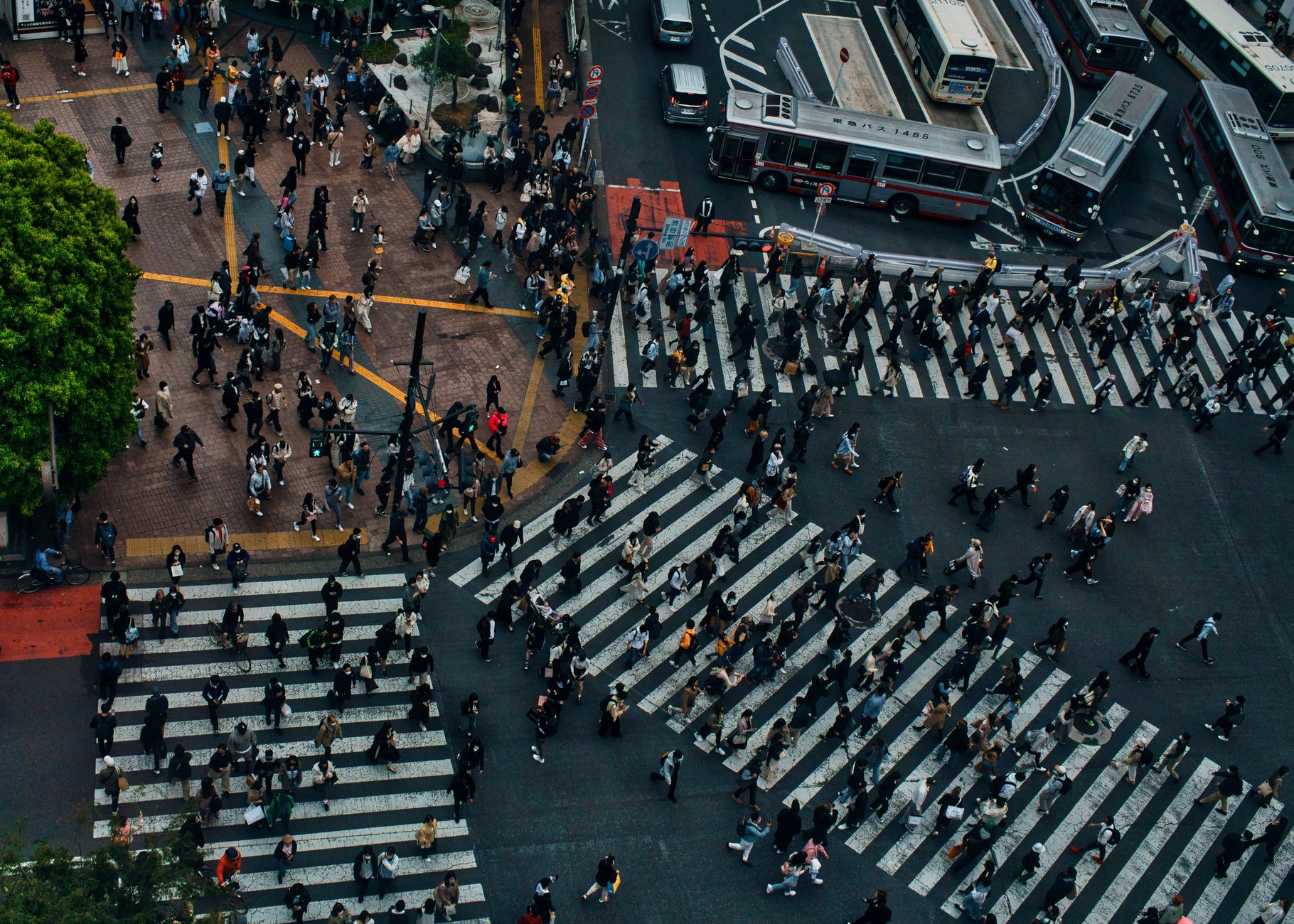
Day 3 is devoted to Shibuya and Harajuku — Tokyo's youth culture heartland — where you will find a mix of halal eateries, independent cafes popular with Muslim visitors, and easy access to the Tokyo Camii mosque.
Start the morning with a visit to Tokyo Camii in Yoyogi-Uehara, the largest mosque in Japan. It is open to Muslim visitors for all five daily prayers, and the building itself — modelled on Ottoman architecture — is genuinely beautiful. The mosque offers wudu (ablution) facilities and a prayer hall that separates male and female worshippers.
For lunch in Shibuya, 95YOOYA is listed on the Halal Navi database as a Muslim-friendly option in the Shibuya area. Ankara Shibuya is a Turkish restaurant in Shibuya reported as halal-friendly — verify current certification when visiting. For a coffee break, ANDELT CAFE is both listed in the Shibuya–Harajuku zone and popular with Muslim visitors looking for a relaxed sit-down.
Spend the afternoon walking Takeshita Street in Harajuku, then head to the Meiji Shrine — a peaceful forested Shinto shrine that is entirely free to enter and makes for a meditative break from the urban energy. For dinner, Aladdin Hiroo in Minato (on the Shibuya–Hiroo border) is a long-running Middle Eastern and Indian restaurant. No halal information has been confirmed for it, so ask about the meat supply when you book.
Day 4: Shinjuku and Ikebukuro — Halal Hubs on the West Side
Shinjuku and Ikebukuro are two of Tokyo's busiest transport hubs and have developed reputations as go-to areas for halal dining. Day 4 makes the most of both.
In Shinjuku, Ain Soph. Journey Shinjuku and Ain Soph.Ripple Kabukicho are plant-based restaurants popular with Muslim travelers as fully alcohol-free, pork-free dining environments — check their current menu options and halal-conscious policies. For Middle Eastern and Arabic cuisine, Arabian Cafe & Bar and Arabic Cafe & Deli Abu Essam are both Shinjuku listings reported as halal-friendly; confirm before visiting.
For lunch or dinner in Ikebukuro, Aliya Halal Restaurant - Ikebukuro is a well-known halal restaurant in Toshima ward, popular with the local Muslim community and international visitors alike — reported as serving halal-certified food, please verify current status. AIN SOPH. Soar IKEBUKURO is another plant-based, alcohol-free venue in the same neighbourhood. Amapola Ikebukuro rounds out the area's options with a different cuisine profile — check the Halal Navi app for the latest details.
Shinjuku is also home to a prayer space at the Islamic Cultural Center in nearby districts — use the Halal Navi app's prayer room finder for the most current location data. In the evening, the Shinjuku Gyoen National Garden (closes at dusk) or a view from the Tokyo Metropolitan Government Building (free observation deck, open until 10:30 PM most nights) make excellent non-dining activities.
📱 Find halal restaurants, prayer rooms and Muslim-friendly places across Japan with the free Halal Navi app.
Download on the App Store · Get it on Google Play
Day 5: Roppongi, Odaiba, and Farewell Halal Feast — Muslim-Friendly Tokyo Itinerary Finale
Your final day balances Tokyo's art and waterfront scenes with some of the city's most distinctive halal dining.
In Roppongi, AARYAS is an Indian restaurant in Minato ward listed as halal-friendly and popular with the international community that calls Roppongi home. For a special farewell dinner, (Yakiniku Ushizaka) 炭火焼肉 うしざか in Roppongi–Azabu is a charcoal yakiniku restaurant listed as halal, with the halal scope covering specific menu items rather than the whole kitchen. Book ahead, as capacity is limited.
If your itinerary takes you to Odaiba — Tokyo's futuristic waterfront island — Al-Amin in the Odaiba area serves Indonesian food and is listed as Muslim-friendly — an easy stop if you are out on the bay for the day.
Before heading to the airport, use the Halal Navi app to locate the prayer rooms at Haneda or Narita. Both airports have documented multi-faith facilities accessible before international departures.
Frequently Asked Questions: Muslim-Friendly Tokyo Itinerary
Is Tokyo easy to navigate as a Muslim traveler? Yes — Tokyo has an efficient, clearly signposted public transport system, and most major attractions and restaurants are accustomed to international visitors. English signage is common on the metro, and Google Maps works reliably throughout the city. The main planning task is identifying halal food and prayer facilities in advance, which is where an app like Halal Navi is genuinely useful.
Where can I pray in Tokyo? The Tokyo Camii in Yoyogi-Uehara is the most well-known mosque in the city and is open for all five daily prayers. Prayer rooms are also available at Narita Airport (Terminal 1 and Terminal 2) and Haneda Airport. Many large shopping centres have multi-faith prayer spaces — ask at the information desk. The Halal Navi app lists prayer facilities by neighbourhood.
Are there halal convenience store options in Tokyo? Convenience stores like 7-Eleven carry a range of items that may suit Muslim travelers — onigiri (rice balls) with plain or vegetable fillings, fruit, packaged salads, and beverages. Always read labels carefully for pork-derived ingredients. 7-Eleven Asakusa Kaminarimon mae is a noted stop for Muslim visitors near Senso-ji.
What is the qibla direction in Tokyo? From Tokyo, the qibla direction is approximately 293–295 degrees (roughly northwest). Prayer rooms in the city are typically marked with the correct direction. You can also use a qibla compass app for accuracy anywhere in the city.
Can I find halal wagyu beef in Tokyo? Yes — this is one of Tokyo's highlights for Muslim travelers. A5 Halal Wagyu Yakiniku Panga and Asakusa Halal Wagyu Steak HACHISAN | 八三 are both listed in the Halal Navi database as halal-conscious wagyu options in Asakusa. Suppliers and policies change, so a quick question at the counter is always worth it.
Is Tokyo safe for solo female Muslim travelers? Tokyo consistently ranks among the world's safest cities, and solo female Muslim travelers — including hijab-wearing visitors — report very positive experiences. There are no dress-code restrictions at restaurants or attractions, and public spaces are well-lit and monitored.
How do I find the most current halal restaurants in Tokyo? Use the Halal Navi app, which maintains a regularly updated database of halal-certified and Muslim-friendly venues across Tokyo and Japan. You can filter by area, cuisine type, and certification level, and read reviews from fellow Muslim travelers.
🛏 Staying in Tokyo? We list 18 places to stay there, and each one shows how many halal restaurants are within walking distance.
See places to stay in Tokyo →
Plan Your Muslim-Friendly Tokyo Itinerary with Halal Navi
Tokyo is one of the most rewarding cities in the world for Muslim travelers — once you know where to look. From A5 wagyu yakiniku in Asakusa to Turkish kebabs in Ginza, plant-based dining in Shinjuku to prayer rooms at both international airports, the city has the infrastructure to support a truly memorable halal trip.
The Halal Navi app brings all of this together in one place: searchable halal restaurant listings with certification notes, prayer room locations with qibla indicators, and user reviews from Muslim travelers who have been there before you.
Download the Halal Navi app today — available on the App Store and Google Play — and start building your perfect Muslim-friendly Tokyo itinerary. Your next Tokyo adventure is just a few taps away.
Where to Stay in Tokyo: Muslim-Friendly Hotels to Book
These Tokyo hotels publicly state Muslim-friendly facilities. Confirm current details (prayer-room access, halal-meal notice periods) directly when you book, as policies can change. Booking links below are affiliate links — if you book through one, Halal Navi may earn a small commission at no extra cost to you. This never affects which hotels we list.
- Sakura Hotel Hatagaya (Shibuya-ku) — Permanent 1F prayer room, qibla markers in lobby and rooms, prayer mats, a 24-hour cafe serving halal options, and Muslim staff on site. Alcohol is served on the premises.
- Richmond Hotel Premier Asakusa International (Asakusa) — In-hotel wudu facility and a halal-certified (Japan Islamic Trust) Premier Lounge, plus halal meal boxes and a halal breakfast box.
- Hotel Chinzanso Tokyo (Bunkyo-ku) — Prayer mats and a qibla compass in-room on request; halal-friendly kaiseki using halal-certified Wagyu and flour (reserve about 7 days ahead).
- Agora Place Asakusa (Asakusa) — Prayer mat and qibla compass/app rental, a Muslim Welcome Morning Plate, and halal-trained staff.
- ICI Hotel Tokyo Hatchobori (Chuo-ku) — Halal bread at breakfast and a halal breakfast bento on request; the certifying body is not stated.
About this article
Author: Aisha Rahman, Halal Navi Editorial Team. Aisha Rahman is a pen name used by the Halal Navi editorial team to maintain consistency across our halal verification reporting. Editorial responsibility is held collectively by our Halal Verification Team.
Reviewer: Halal-reviewed by Zeshan Hayat (Lead Halal Auditor, Halal Navi / Founder, HHAJ). Zeshan holds ISO 9001:2015 Internal Auditor and ISO 19011 Auditor credentials. See our editorial standards for the full review process.
Update policy: We re-verify every claim in this article quarterly. If you spot outdated information, we will review and correct it within 7 days.
Disclosure: Halal Navi receives no payment from any restaurant or hotel in exchange for inclusion, and all recommendations reflect independent editorial judgment based on Muslim-friendly criteria. Some articles contain affiliate booking links (e.g. Trip.com); if you book through one, Halal Navi may earn a small commission at no extra cost to you.
Last verified: 2026-08-03