Is Fast Food in Japan Halal? McDonald's, KFC and MOS Burger
Quick Answer: No — as of 2026, none of Japan's major fast food chains are halal-certified. McDonald's, KFC, MOS Burger, Burger King, Lotteria, and Subway all lack certification and handle pork or alcohol-based ingredients on shared equipment, as do the beef bowl chains Yoshinoya, Matsuya, and Sukiya. For a genuinely halal quick meal in Tokyo, dedicated venues such as Halal Burger (Arakawa), Halal Burger Ueno, and Sankyu Halal Ramen (Asakusa) cater directly to Muslim diners — confirm each venue's current halal status before visiting.
Travelling through Japan and wondering whether fast food in Japan is halal? It's one of the most common questions Muslim visitors ask — and for good reason. Convenience is king in Japan, and the golden arches or a familiar fried chicken bucket can feel like a lifesaver during a packed sightseeing day. The honest answer, however, is that Japan's major Western and domestic fast food chains are not halal-certified as of 2026, with important nuances every Muslim traveller needs to understand. This guide breaks down each major chain, explains what the risks are, and — crucially — points you toward genuinely halal alternatives that won't compromise your principles.
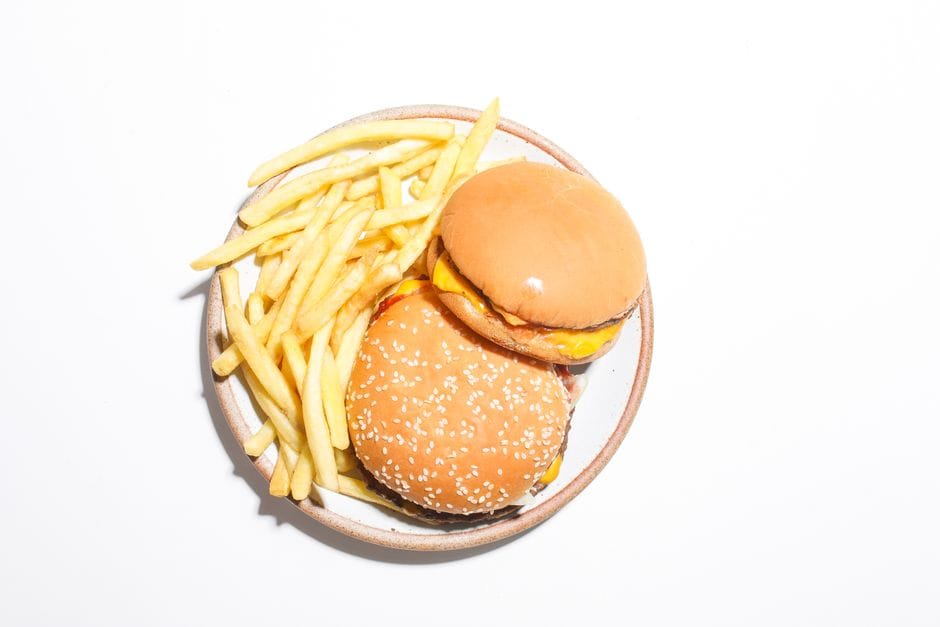
Photo by Polina Tankilevitch on Pexels (https://www.pexels.com/photo/burgers-with-fries-on-ceramic-plate-4109233/)
Is McDonald's Japan Halal in 2026?
McDonald's Japan does not hold halal certification, and its kitchens are not set up to prevent cross-contamination between pork-derived and other ingredients. The beef patties used in Japan are sourced domestically and internationally, but none of the supply chain has been certified by a recognised halal authority such as JAKIM or MUIS. Beyond the meat itself, several menu items — including some sauces, buns, and seasoning blends — may contain pork-derived gelatine or lard-based emulsifiers. Alcohol-based flavourings are also reported in certain seasonings.
For Muslim travellers who follow a strict halal standard, McDonald's Japan is generally considered unsuitable. If you are comfortable with the "People of the Book" (Ahl al-Kitab) standard or simply avoiding obvious pork, you may make a personal judgement call — but do so with full awareness that no official halal certification exists and cross-contamination is not managed.
Is KFC Japan Halal? What Muslim Travellers Need to Know
KFC Japan similarly carries no halal certification. The chicken used is not slaughtered according to zabiha requirements, and the frying oil used in many outlets processes items containing pork derivatives. During the Christmas season, KFC Japan is one of the country's most popular dining traditions — but for Muslim diners, the absence of halal oversight means it does not meet the standard.
Some travellers note that KFC Japan's menu is primarily chicken-based and may appear "safe" compared to burger chains, but the lack of zabiha slaughter and shared fryers remain the fundamental issues. As with McDonald's, no credible halal body has certified KFC Japan's operations as of 2026.
Is MOS Burger Halal in Japan?
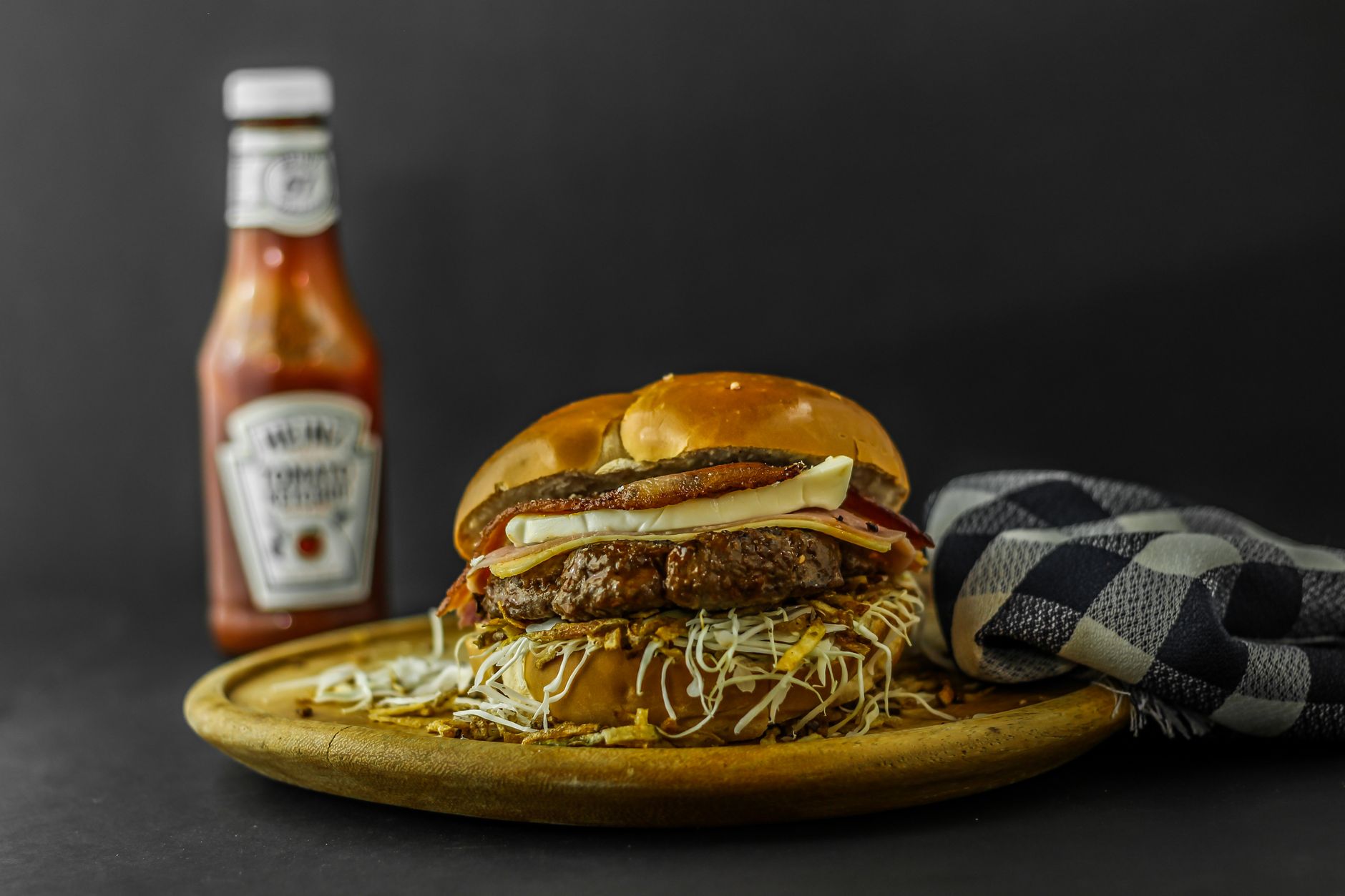
MOS Burger is a well-loved Japanese domestic chain known for its freshly prepared burgers and rice burgers. Unfortunately, MOS Burger Japan does not hold halal certification either. Its kitchens handle pork products, and its sauces contain ingredients that have not been certified halal. Unlike some chains that at least offer fish or vegetable options cooked in dedicated fryers, MOS Burger's preparation environment makes it difficult to guarantee any item is free from cross-contamination.
That said, MOS Burger has experimented with Muslim-friendly menus in Southeast Asian markets (notably Malaysia and Singapore), where its outlets are halal-certified. This does not apply to Japan locations — the Japanese domestic operations remain uncertified.
What About Lotteria, Burger King, and Other Chains in Japan?
Lotteria Japan (now rebranded under Rollâ™ in some locations) and Burger King Japan are in the same boat: no halal certification, pork ingredients present across the menu, and shared cooking equipment. Subway Japan is a frequently asked-about option — while Subway does not use pork in every item, the brand in Japan is not halal-certified, and cross-contamination from shared utensils and surfaces is a realistic concern.
Yoshinoya, Matsuya, and Sukiya — Japan's famous beef bowl (gyudon) chains — offer beef-forward menus but use cooking sauces containing mirin (a rice wine) and in some cases cook dishes alongside pork-based items. None hold halal certification in Japan. Muslim travellers should treat all of these chains with caution.
The bottom line for fast food in Japan halal considerations: the entire mainstream fast food landscape in Japan is uncertified, and most chains handle pork and alcohol-based ingredients as standard.

Halal Burger Alternatives in Tokyo: Where to Go Instead
If you're craving a proper halal burger in Tokyo, dedicated halal establishments are your best bet. In the Arakawa area of Tokyo, Halal Burger is a specialist halal burger joint that caters directly to Muslim diners — confirm current certification status when visiting, as policies can be updated. In the Ueno-Asakusa corridor, Halal Burger Ueno is popular with Muslim travellers passing through Taito Ward on their way to Senso-ji Temple, reported by visitors as serving halal-certified burgers — please verify current halal status before your visit.
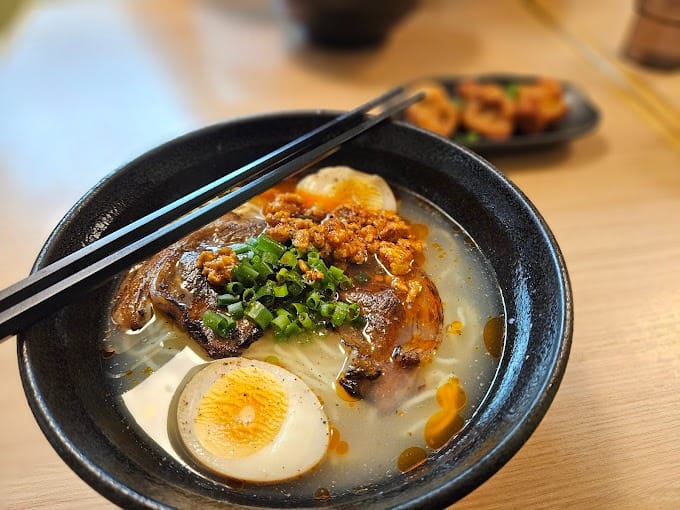
For a broader Japanese dining experience in the same neighbourhood, Sankyu Halal Ramen Japanese Food Asakusa in Taito offers halal-conscious Japanese food including ramen. The Asakusa-Ueno pocket of Tokyo is arguably the single most convenient area in the city for Muslim diners seeking alternatives to mainstream fast food chains.
“If you’re exploring Asakusa and looking for a halal-friendly dining experience, Sankyu Halal Japanese Restaurant is a must-visit.” — Halal Navi user review
📱 Find halal restaurants, prayer rooms and Muslim-friendly places across Japan with the free Halal Navi app.
Download on the App Store · Get it on Google Play
Halal Fast-Casual and Quick Dining Options Beyond Tokyo
Japan's halal food scene extends well beyond the capital, making it increasingly practical to eat well as a Muslim traveller even outside Tokyo.
In Ikebukuro (Toshima Ward), fast-slow food: Haru offers a more considered, halal-conscious dining experience — a good option if you want something quicker than a sit-down restaurant but more reliable than a fast food chain. Confirm halal policy directly with the venue.
In Fukuoka, Halal Food Plaza Nabi San serves Muslim diners in Kyushu's largest city, providing a go-to spot when you need a reliable meal on the move. In Sapporo, WATAN Sapporo HALAL FOOD is a reported halal food destination for travellers in Hokkaido — useful to know given how sparse halal options can be in northern Japan.
For travellers in Nagoya, Pak Lahori Restaurant and Halal Food Branch 2 and sidra halal food and Egyptian Restaurant both operate in the city and advertise halal food options, popular with Muslim diners in the Chubu region — confirm current policies when visiting.
Prayer Facilities and Muslim-Friendly Tips While Eating in Japan
Navigating halal fast food in Japan is only one part of the Muslim travel puzzle. Here are some practical trust signals to keep in mind:
- Narita Airport (Terminal 1 and Terminal 2) and Haneda Airport (Terminal 3, international) both have documented prayer rooms — these are stable, publicly confirmed facilities. Always check departure terminal maps on arrival.
- When visiting any restaurant, you can use a compass app or dedicated qibla direction tool to orient yourself for prayer in the dining area or a nearby quiet space.
- Female Muslim travellers should note that restaurants in the Asakusa-Ueno corridor — including SARAY KEBAB KAMINARIMON HALAL FOOD near Kaminarimon Gate — tend to attract diverse international clientele, making the environment generally comfortable and welcoming for hijab-wearing diners.
- Always ask staff about alcohol in cooking sauces (mirin, sake, cooking wine) even at Muslim-run establishments, as some halal-certified kitchens have exceptions for traditional Japanese condiments. A quick confirmation question protects your confidence in the meal.
- Look for visible halal certificates displayed at the counter — in Japan, certificates from recognised bodies such as JAKIM, MUIS, or Japan-based organisations like the Japan Halal Association (JHA) or NPO Japan Muslim Association are the most commonly encountered.
Where to eat this
If you would rather not check every dish yourself, start from a list we keep:
- Halal restaurants in Tokyo
- Halal restaurants in Osaka
- Halal grocery stores — if you are cooking in your accommodation instead.
Each venue page shows what we could verify about its halal status, and what we could not.
Frequently Asked Questions: Fast Food in Japan Halal
Is any McDonald's in Japan halal-certified? No. As of 2026, no McDonald's location in Japan holds halal certification from any recognised Islamic authority. The menu contains pork-derived ingredients and the kitchens are not managed to prevent cross-contamination.
Can I eat KFC in Japan if I just avoid the pork items? KFC Japan's chicken is not zabiha-slaughtered, which is the core issue for most Muslim consumers following a strict halal standard — not only the presence of pork. Even if you avoid pork-specific items, the chicken itself does not meet halal slaughter requirements, and shared fryers present further cross-contamination risk.
Are there any fast food or quick-service halal restaurants in Tokyo? Yes. Dedicated halal establishments such as Halal Burger Ueno in the Asakusa-Ueno area and fast-slow food: Haru in Ikebukuro provide quicker meal options for Muslim travellers. Always verify current certification status before visiting, as policies can change.
Is Subway Japan halal? No. Subway Japan does not hold halal certification. While some individual ingredients may not contain pork, the brand does not certify its Japan operations, and shared preparation surfaces create cross-contamination risk.
What Japanese fast food chain is closest to being halal-friendly? None of the major Japanese chains — McDonald's, KFC, MOS Burger, Lotteria, Burger King, Yoshinoya, Matsuya, or Sukiya — currently hold halal certification in Japan. Your safest option is always a dedicated halal restaurant. Use the Halal Navi app to find verified listings near your location.
Does MOS Burger Japan have a halal menu? No. MOS Burger's halal-certified operations exist only in its Southeast Asian franchise markets. Japanese domestic locations are not certified and handle pork ingredients throughout their kitchens.
How do I find halal food quickly when I'm travelling across Japan? The most reliable method is to use a dedicated halal discovery app that maintains up-to-date listings verified by Muslim travellers and certification bodies. Search for halal restaurants by city, filter by certification type, and read recent visitor reviews to confirm current policies before you visit.
Find Halal Food Across Japan Instantly — Download the Halal Navi App
Don't leave your halal meals to chance at an uncertified fast food counter. Halal Navi is the dedicated platform built for Muslim travellers exploring Japan and Southeast Asia, with verified restaurant listings, prayer room locations, qibla direction tools, and real traveller reviews — all in one place.
Whether you're in Tokyo's Asakusa, exploring Osaka's Namba, passing through Nagoya, or venturing up to Sapporo, the Halal Navi app helps you find trusted halal-friendly dining options in seconds. No more guesswork. No more risky assumptions about chain restaurants.
Download the Halal Navi app today: - App Store (iOS) - Google Play (Android)
Travel with confidence. Eat with peace of mind. Halal Navi has you covered every step of the way in Japan.
About this article
Written and halal-verified by Zeshan Hayat, CMO & Head Halal Auditor, Halal Navi.
Update policy: If you spot outdated information, we will review and correct it within 7 days.
Disclosure: Halal Navi receives no payment from any restaurant or hotel in exchange for inclusion, and all recommendations reflect independent editorial judgment based on Muslim-friendly criteria. Some articles contain affiliate booking links (e.g. Trip.com); if you book through one, Halal Navi may earn a small commission at no extra cost to you.
Last verified: 2026-06-23
🛒 Once you know what is safe to buy, the next question is where. We list halal grocery stores and halal-friendly supermarkets across Japan.
Find halal groceries in Japan →