Is Japanese Purin Halal? It Comes Down to the Gelatin
Quick Answer: Whether Japanese pudding (purin) is halal depends on the specific product, traditional egg-set purin made from eggs, milk, sugar, and caramel with no gelatin is generally considered halal-friendly, but many commercial purin sold in Japanese convenience stores contain pork-derived gelatin (ゼラチン), making them haram. On Japanese labels, plain ゼラチン is almost always pork-derived; safer alternatives include agar (寒天/kanten) and pectin (ペクチン), both plant-based and halal. Additional concerns include alcohol-based vanilla extract and animal-derived emulsifiers. To shop safely, photograph the ingredient label and avoid any product listing ゼラチン without specifying its source. For verified halal Japanese sweets, specialist shops such as JAPANeid Osaka in Nishi Ward, Osaka, stock halal-certified options: confirm current product availability directly with the shop before visiting.
Japanese pudding, known locally as purin (プリン), is one of the most beloved convenience-store and café desserts in Japan. Silky, golden, and topped with a bittersweet caramel layer, purin looks simple enough. But for Muslim travelers, the question "is Japanese pudding purin halal?" is genuinely important. Hidden ingredients like pork-derived gelatin, alcohol-based vanilla extract, and non-halal emulsifiers can make an otherwise egg-and-milk dessert problematic. This 2026 guide breaks down every ingredient category you need to know, from custard and gelatin to yogurt and mousse, so you can enjoy Japanese sweets with confidence.
What Makes Japanese Pudding (Purin) Potentially Non-Halal?
Traditional Japanese purin is made from eggs, milk, sugar, and caramel: none of which are inherently haram. However, commercial purin sold at convenience stores (7-Eleven, Lawson, FamilyMart) and supermarkets often includes additional ingredients that require scrutiny:
- Gelatin: The single biggest concern. Many purin and jelly-style puddings use gelatin as a setting agent. In Japan, gelatin is overwhelmingly derived from pork (ゼラチン, zerachin), making it haram for Muslims. Unless the label specifies "fish gelatin" (魚由来ゼラチン) or "agar" (寒天, kanten), assume pork gelatin is present.
- Vanilla extract: Some premium puddings use alcohol-based vanilla extract rather than vanilla flavouring. While scholarly opinion varies, many Muslim travelers prefer to avoid this.
- Emulsifiers: Certain emulsifiers (乳化剤, nyūkazai) may be derived from animal fats. Without knowing the source, these carry uncertainty.
- Rum or liqueur flavouring: High-end purin and chilled desserts sometimes contain alcohol-based flavouring, usually noted on the label.
The good news: egg-set custard puddings that use no gelatin are far more likely to be halal-friendly. Look for labels that list only eggs, milk, cream, sugar, and starch, with no ゼラチン and no アルコール (alcohol).
Is the Gelatin in Japanese Desserts Halal? Understanding Agar, Pectin, and Fish Gelatin
This section answers one of the most frequently searched questions among Muslim visitors to Japan: what gelling agents are safe to consume?
Agar (寒天 / Kanten): Halal ✅
Agar is a seaweed-derived gelling agent widely used in traditional Japanese wagashi sweets, anmitsu jelly cubes, and some modern desserts. It is plant-based and universally considered halal. If a pudding or jelly lists 寒天 (kanten) on the ingredient label, it is gelatin-free.
Pectin (ペクチン): Halal ✅
Pectin is derived from fruit peel and is used in some yogurt desserts and fruit jellies. It is plant-based and halal.
Fish Gelatin (魚由来ゼラチン): Generally Halal ✅
Fish gelatin is used in a small number of Japanese products. Check that the fish species used is not a prohibited type. For most Sunni scholars, fish gelatin from permissible fish species is halal.
Pork Gelatin (ゼラチン): Haram ❌
Standard gelatin listed simply as ゼラチン on Japanese labels is almost always pork-derived. This is the most common setting agent in commercial purin, pannacotta-style desserts, bavarois, and many yogurt-topped desserts. Avoid any product listing ゼラチン without specifying its source.
Carrageenan (カラギーナン): Halal ✅
Carrageenan is derived from red seaweed and is increasingly common in dairy desserts and yogurts. It is plant-based and halal.
Practical tip: In convenience stores, photograph the ingredient label and look specifically for ゼラチン before purchasing any chilled dessert.
Is Japanese Yogurt Halal for Muslim Travelers?
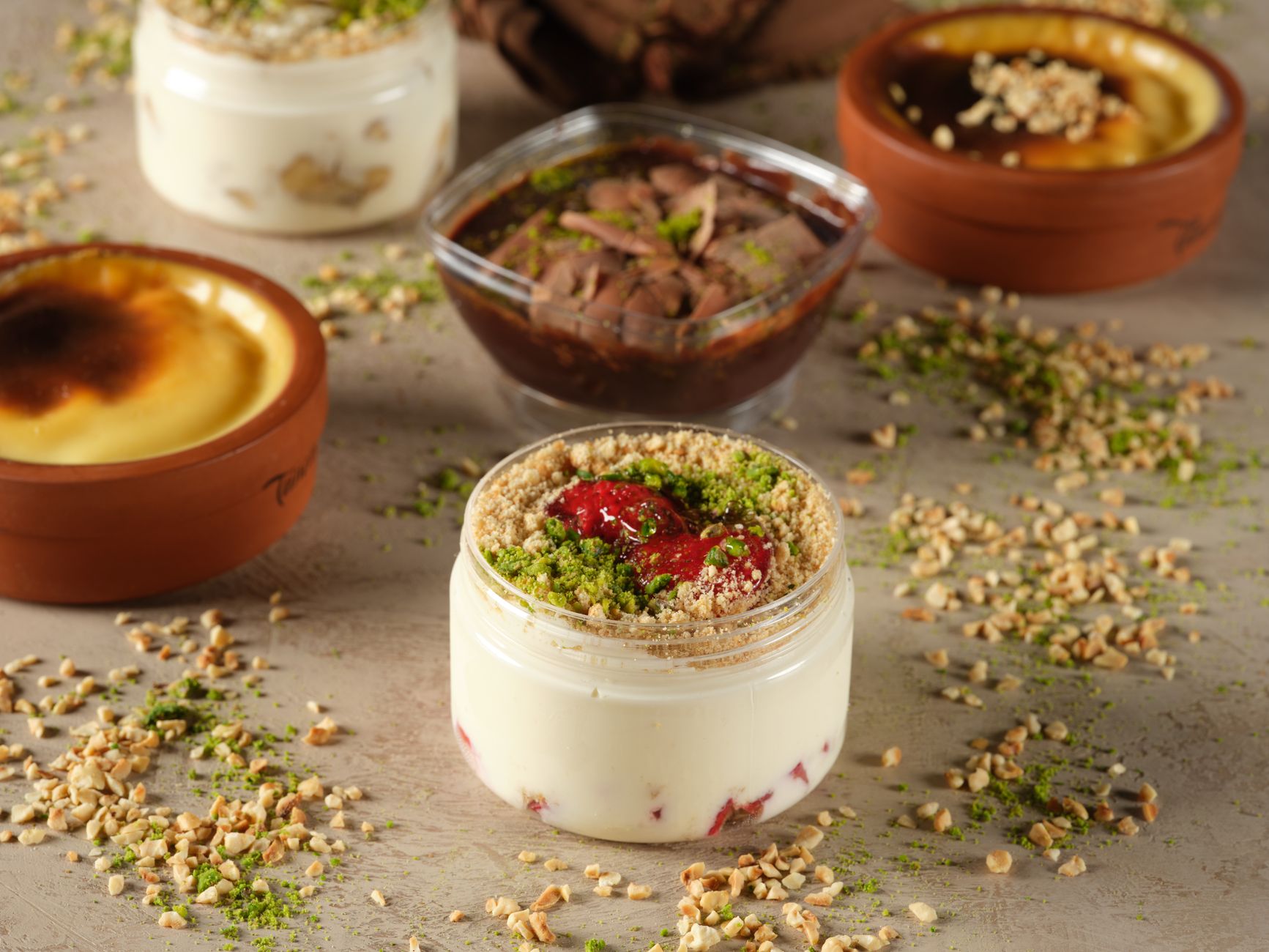
Plain yogurt (ヨーグルト, yōguruto) in Japan is typically made from milk and bacterial cultures: both halal. Major Japanese yogurt brands like Meiji Bulgaria Yogurt and Morinaga Bifidus use straightforward ingredients and are generally considered halal-friendly by Muslim consumers, though none carry formal halal certification from recognised bodies.
Watch out for: - Fruit-on-the-bottom or dessert yogurts: These sometimes contain gelatin as a stabiliser or alcohol-based flavouring. - Yogurt mousse or layered parfait cups: Often contain ゼラチン. - Drinkable yogurt with "fermented" flavours: Some products use alcohol-producing fermentation beyond the standard lactobacillus process, a minority concern, but worth noting.
For a straightforward halal-friendly choice, plain (プレーン) yogurt with minimal ingredients is your safest bet. Add your own halal-friendly fruit or honey from a convenience store.
Japanese Convenience Store Desserts: What to Choose and What to Avoid
Convenience stores are unavoidable in Japan, and genuinely useful for Muslim travelers seeking quick, affordable food. Here is a practical breakdown for the dessert aisle:
Generally Safer Choices
- Baked egg custard tarts (エッグタルト): Often gelatin-free, using eggs and milk as the setting agent. Check for alcohol-based flavouring.
- Dorayaki and wagashi (traditional Japanese sweets): Typically made with red bean paste, rice flour, and sugar, no gelatin.
- Anmitsu jelly cups: Usually set with agar (寒天). Confirm on the label.
- Plain yogurt pots: Generally halal-friendly (see section above).
- Mochi ice cream: Glutinous rice exterior is halal; check ice cream flavouring for alcohol extracts.
Approach with Caution
- Purin (custard pudding) cups: Check for ゼラチン. Some are egg-set only; others use gelatin.
- Creamy pudding layers in parfaits: Almost always contain gelatin.
- Tiramisu or Italian-style desserts: Frequently contain rum or marsala flavouring.
- Cheesecake slices: Often include gelatin for texture; also check for alcohol-based flavouring.

Where to Find Verified Halal Snacks and Sweets in Japan
Finding halal-certified or Muslim-friendly packaged sweets in Japan takes a little extra effort, but specialist shops do exist.
In Osaka, JAPANeid Osaka is a Muslim-friendly halal Japanese souvenir and snack shop in Nishi Ward, Osaka. It stocks halal-certified Japanese snacks, including confectionery, that have been vetted for Muslim consumers. This is one of the most reliable spots in Kansai to pick up Japanese sweets without having to decode ingredient labels yourself. Confirm current stock and opening hours directly with the shop, as product lines change seasonally.
For travelers in Tokyo, halal-certified dining is more developed in the restaurant sector than in packaged sweets retail. Specialty halal grocery stores in areas like Okubo (Tokyo's "Little Asia" neighbourhood) sometimes stock halal-certified Japanese-style snacks imported or produced by Muslim-certified manufacturers. Search the Halal Navi app for current listings in this area.
📱 Find halal restaurants, prayer rooms and Muslim-friendly places across Japan with the free Halal Navi app.
Download on the App Store · Get it on Google Play
Halal-Friendly Dining Near Popular Dessert Areas in Tokyo and Kyoto
While hunting for halal desserts in Japan, you will naturally be exploring the same tourist-heavy neighbourhoods where halal restaurants are also clustered. Here is a brief orientation:
In Asakusa, Tokyo, famous for its traditional sweet shops and ningyo-yaki (doll-shaped cakes near Senso-ji Temple), several halal restaurants operate nearby if you need a full meal before or after your sweet exploration. Ayam-ya Halal Ramen Tokyo is a well-regarded halal ramen spot in the Asakusa-Ueno area, popular with Muslim travelers visiting Senso-ji. Halal And Vegan Ramen Dattebayo! is another Muslim-friendly option in the same area, reported as halal-conscious: confirm current certification status before visiting.
In Kyoto, the Gion-Higashiyama area is dense with traditional wagashi shops selling agar-set sweets that are more likely to be halal-friendly than Western-style desserts. Halal Wagyu Yakiniku & Ramen GYUMON Kyoto/Gion serves as a solid halal dining anchor in the neighbourhood if you need a full meal while exploring the area's sweet shops.
Note: The restaurants above are listed for their dining utility near dessert-exploration neighbourhoods; they serve halal meals rather than desserts specifically. Always verify current halal certification status with each venue before visiting.
Prayer Facilities for Muslim Travelers While Exploring Japan's Sweet Spots
Muslim travelers spending time in tourist areas hunting for halal desserts will want to know about prayer facilities:
- Asakusa, Tokyo: The Taito area has Muslim-friendly spaces reported near Senso-ji; confirm qibla direction (approximately 290-295° from Tokyo, facing northwest toward Mecca) using a qibla app before you travel.
- Namba/Dotonbori, Osaka: Several halal restaurants in the area provide prayer spaces for customers. Confirm with individual venues when booking.
- Kyoto: Some Muslim-friendly restaurants in Gion and near Kyoto Station offer prayer rooms or spaces. Inquire directly when making reservations.
- Airport prayer rooms: Narita International Airport (Terminal 1 and Terminal 2) and Kansai International Airport both have documented prayer rooms, suitable for departure-day visits to airport convenience stores for last-minute halal snack purchases.
Female Muslim travelers should note that prayer spaces in restaurants are sometimes mixed; confirm private space availability if needed when booking.
Frequently Asked Questions: Japanese Pudding (Purin) Halal Guide 2026
Is purin (Japanese custard pudding) halal? It depends on the specific product. Traditional egg-set purin made from eggs, milk, sugar, and caramel with no gelatin is generally considered halal-friendly. However, many commercial purin products in Japanese convenience stores contain pork-derived gelatin (ゼラチン) as a setting agent, making them haram. Always check the ingredient label for ゼラチン before purchasing.
How do I know if Japanese gelatin is from pork or another source? On Japanese food labels, plain ゼラチン (zerachin) is almost always pork-derived. Fish gelatin will typically be labelled 魚由来ゼラチン (fish-derived gelatin). Plant-based alternatives include 寒天 (kanten/agar) and ペクチン (pectin). If the label just says ゼラチン with no qualifier, treat it as pork-derived.
Is Japanese yogurt halal? Plain Japanese yogurt (ヨーグルト) is generally halal-friendly, as it contains milk and bacterial cultures. Flavoured or dessert-style yogurts may contain gelatin or alcohol-based flavouring: check the label carefully. No major Japanese yogurt brand currently carries formal halal certification from a recognised body.
Can I find halal-certified Japanese sweets to take home as souvenirs? Yes. Specialist shops like JAPANeid Osaka in Nishi Ward, Osaka, stock halal-certified Japanese snacks and souvenirs. Stock varies seasonally, so confirm current product availability before visiting. You can also search the Halal Navi app for current halal snack retailers near your location in Japan.
What traditional Japanese sweets are usually halal? Traditional wagashi sweets made with ingredients like red bean paste (anko), rice flour (mochiko), sugar, and agar (kanten) are generally halal-friendly. Examples include dorayaki, mochi, anmitsu (agar jelly with sweet toppings), and daifuku. Always check that no pork gelatin, lard, or alcohol has been added, particularly in modern or fusion versions.
Is vanilla flavouring in Japanese desserts halal? This depends on whether the product uses alcohol-based vanilla extract or synthetic vanilla flavouring. Many commercial products use synthetic vanilla (バニラフレーバー), which is generally considered acceptable. Premium products may use alcohol-based vanilla extract: check the label for アルコール or エタノール. Scholarly positions on alcohol-based flavouring vary; consult your own religious authority if uncertain.
Are there halal dessert cafés in Japan? Dedicated halal dessert cafés remain rare in Japan as of 2026. However, some halal restaurants serve dessert items, and Muslim-friendly souvenir shops like JAPANeid Osaka carry packaged halal sweets. Search the Halal Navi app for the most current listings, as the market is growing quickly.
Plan Your Halal Japan Trip with Halal Navi
Navigating Japanese dessert labels, from pork gelatin in purin to alcohol-based vanilla in premium custards, is much easier when you have reliable, up-to-date information in your pocket. The Halal Navi app helps Muslim travelers discover halal-certified and Muslim-friendly restaurants, snack shops, and accommodation across Japan and Southeast Asia, with filters for prayer facilities, certification status, and alcohol/pork policies.
Download the Halal Navi app from the App Store or Google Play before your trip to Japan and search for halal snack shops, dessert spots, and dining options near your location in real time. Your Japan trip, sweets and all, just got a whole lot easier.
About this article
Written and halal-verified by Zeshan Hayat, CMO & Head Halal Auditor, Halal Navi.
Update policy: If you spot outdated information, we will review and correct it within 7 days.
Disclosure: Halal Navi receives no payment from any restaurant or hotel in exchange for inclusion, and all recommendations reflect independent editorial judgment based on Muslim-friendly criteria. Some articles contain affiliate booking links (e.g. Trip.com); if you book through one, Halal Navi may earn a small commission at no extra cost to you.
Last verified: 2026-07-04