Is Matcha Halal? Green Tea, Sweets and Lattes in Japan
Quick Answer: Pure matcha powder is inherently halal, as it is made solely from ground green tea leaves and contains no alcohol, pork derivatives, or other haram ingredients — but finished matcha products at Japanese cafés and shops are a different matter entirely. Hidden ingredients such as alcohol-based flavourings, pork-derived gelatin (used in mousses, panna cotta, and some mochi fillings), and shared cooking equipment can make an otherwise matcha-based product impermissible. Traditional wagashi made with rice, adzuki beans, sugar, and agar-agar (kanten) are generally halal-friendly, while modern matcha desserts and soft-serve are usually not halal-certified. Most konbini matcha snacks are also not halal-certified, though some may be free from pork and alcohol if the label is read carefully. Always confirm ingredients directly with the vendor, and use the Halal Navi app to find current Muslim-friendly listings before visiting.
If you have ever stood in a Japanese tea shop or a trendy café wondering "is matcha halal?", you are far from alone. Matcha is one of Japan's most iconic flavours — it colours everything from ceremonial tea to soft-serve ice cream, mochi, cakes, and creamy lattes — and Muslim travelers visiting Japan in 2026 naturally want to enjoy it fully. The short answer is: pure matcha powder is inherently halal. However, the finished product on the café counter or the dessert in the shop window is a different matter entirely. Hidden ingredients, alcohol-based additives, and shared equipment with non-halal items mean that knowing exactly what you are eating requires a little more investigation. This guide walks you through everything you need to know — from the halal status of matcha itself to the most common pitfalls in Japanese sweets and cafés.
What Is Matcha and Why Is Pure Matcha Halal?
Matcha (抹茶) is finely ground powder made from specially grown and processed green tea leaves called tencha. The plant itself is Camellia sinensis — no alcohol, no pork derivatives, no animal by-products of any kind are involved in its cultivation or basic processing. From an Islamic dietary perspective, pure matcha powder is halal by nature.
The same logic applies to standard brewed green tea: loose-leaf sencha, gyokuro, hojicha (roasted green tea), and genmaicha (green tea with roasted rice) are all free from haram ingredients in their plain form. Muslim travelers can enjoy a simple bowl of ceremonial matcha or a cup of green tea at a traditional tea house without any halal concern.
Where the complexity begins is when matcha is used as an ingredient in processed foods and café drinks. At that point, the halal status of the finished product depends entirely on every other ingredient in the recipe — not just the matcha itself.
Is Matcha Halal? The Hidden Ingredients to Watch For
When asking "is matcha halal?", the powder is almost never the problem. It is what surrounds it. Here are the most common haram or questionable ingredients that can appear in matcha-flavoured products in Japan:
Alcohol in flavourings and extracts. Many commercial matcha flavorings, especially those used in packaged sweets and café syrups, contain alcohol as a carrier or preservative. Vanilla extract — often added to matcha lattes and ice cream bases — is a common culprit. Always ask whether the shop uses natural or alcohol-free flavourings.
Gelatin. Japanese matcha desserts such as panna cotta, mousse, and certain mochi fillings often use gelatin as a setting agent. In Japan, gelatin is almost always derived from pork unless a product is specifically marketed as halal or vegan. Agar-agar (kanten, 寒天) is a plant-based Japanese alternative widely used in traditional wagashi sweets and is halal — but confirming which setting agent is used is essential.
Mirin and sake in savoury-adjacent sauces. Less relevant for pure matcha sweets but worth knowing: if you encounter a savoury matcha-seasoned product (some matcha noodles or sauces), they may contain mirin (sweet rice wine) or sake.
Non-halal dairy. Dairy itself (milk, cream, butter) is generally considered halal for most scholars, but some Muslim travelers follow stricter standards and prefer dairy from halal-certified slaughterhouses. Confirm with your own madhab guidance.
Shared fryers and equipment. Matcha-flavoured fried items — tempura-battered matcha sweets, for example — may be cooked in oil shared with pork products. Always ask about shared equipment in unfamiliar establishments.
Is Matcha Halal in Japanese Convenience Stores and Supermarkets?
Japanese convenience stores (konbini) such as 7-Eleven, Lawson, and FamilyMart stock a remarkable variety of matcha products year-round: matcha KitKats, matcha Pocky, matcha puddings, matcha soft drinks, and seasonal matcha snack boxes. For Muslim travelers, the question of whether these products are halal comes down to label reading.
Most mass-market matcha snacks in Japanese konbini are not halal-certified. However, many are also free from pork and alcohol if you check the ingredients list carefully. Look out for:
- 乳化剤 (emulsifier) — can be plant- or animal-derived; without more detail, origin is unclear.
- 香料 (flavouring) — may contain alcohol-based carriers.
- ゼラチン (gelatin) — pork-derived unless stated otherwise.
- ショートニング (shortening) — can be lard-based in some products, though many use vegetable shortening.
For packaged souvenirs and snacks screened with Muslim travelers in mind, JAPANeid Osaka in the Nishi area of Osaka is a Muslim-friendly souvenir and snack shop that positions itself as halal-conscious and carries matcha-flavoured options. This is a useful stop for Muslim travelers who want to bring home matcha gifts with greater confidence. Confirm the current product lineup and certification status with the shop when visiting, as stock rotates seasonally.
Is Matcha Halal at Japanese Cafés and Tea Houses?
Matcha cafés and tea houses are among the most memorable experiences in Japan, and Muslim travelers can absolutely participate — with some due diligence. Here is what to expect in key cities.
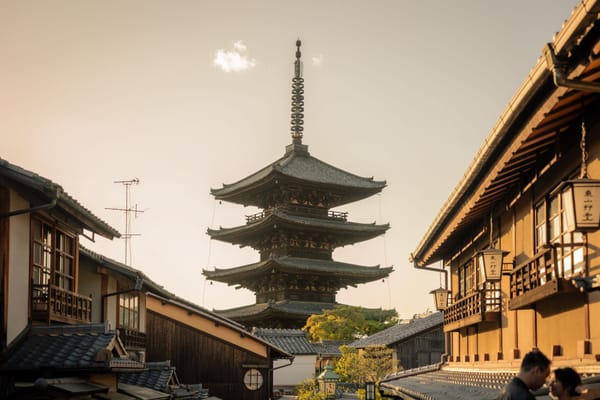
Kyoto: The Heart of Matcha Culture
Kyoto is the epicentre of Japanese tea culture. Traditional tea ceremonies using ceremonial-grade matcha (koicha and usucha) prepared by a tea master involve no additives — just matcha and hot water in a ceramic bowl. Many cultural experience venues near Gion and Higashiyama offer tea ceremonies that are perfectly suitable for Muslim participants.
Matcha sweets served alongside — typically higashi (dry sweets made from sugar and rice flour) or yokan (a dense sweet made with adzuki beans and agar-agar) — are also generally halal-friendly, though you should confirm ingredients with the host. Avoid wagashi that contain cream fillings unless the source is confirmed.
Dedicated halal restaurants inside Kyoto's tea districts (Gion and Higashiyama) are still limited, and availability changes often. Rather than rely on a single spot, Search the Halal Navi app for current, user-verified halal or Muslim-friendly listings near Gion, Higashiyama, and Kyoto Station before you set out, so you can pair your tea experience with a confirmed halal meal nearby.
For matcha-specific cafés in Kyoto, many well-known tea shops do not carry halal certification. Search the Halal Navi app for current listings in this area, as the halal café scene in Kyoto evolves regularly.
Tokyo: Matcha Lattes and Modern Dessert Cafés
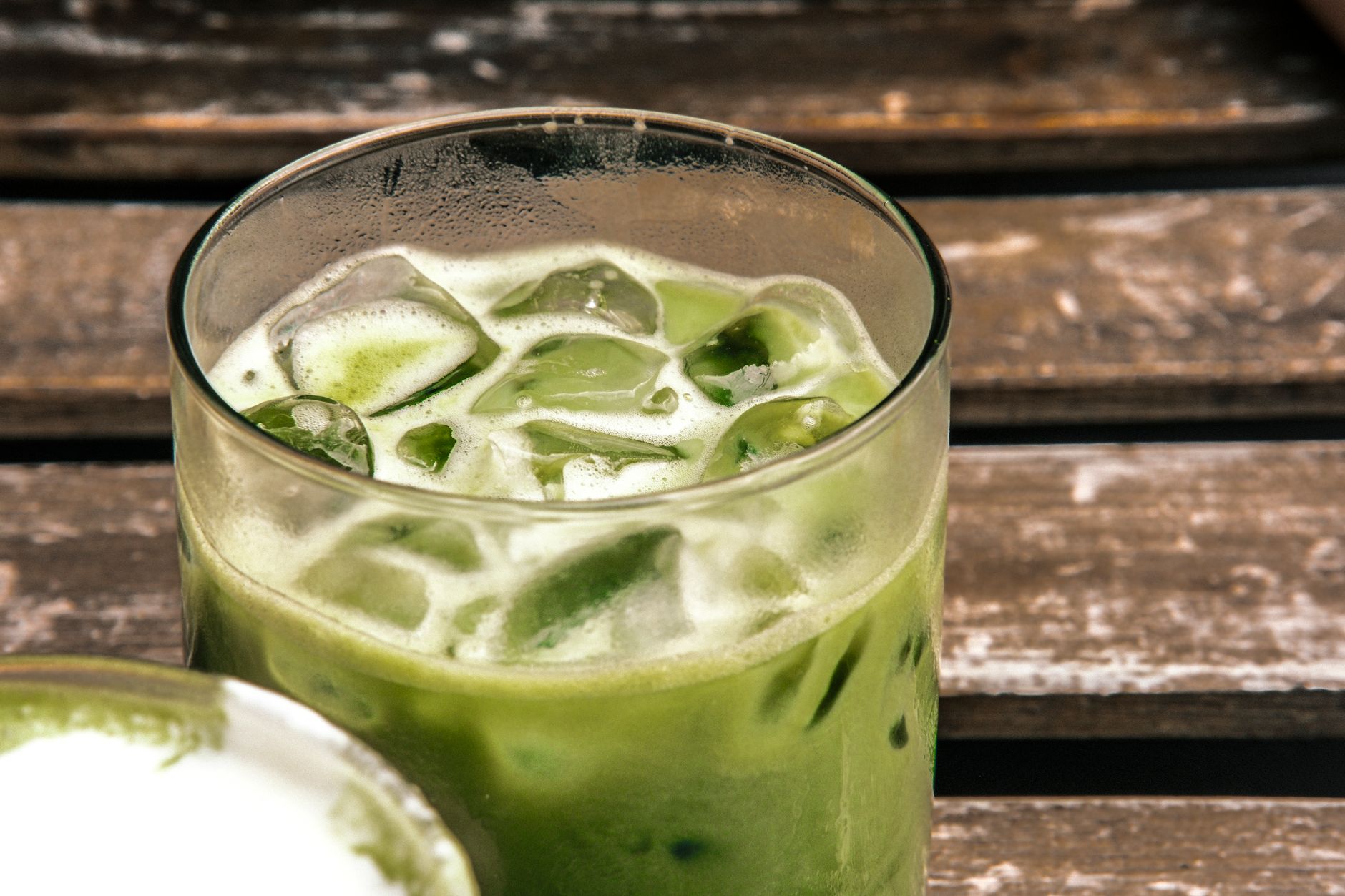
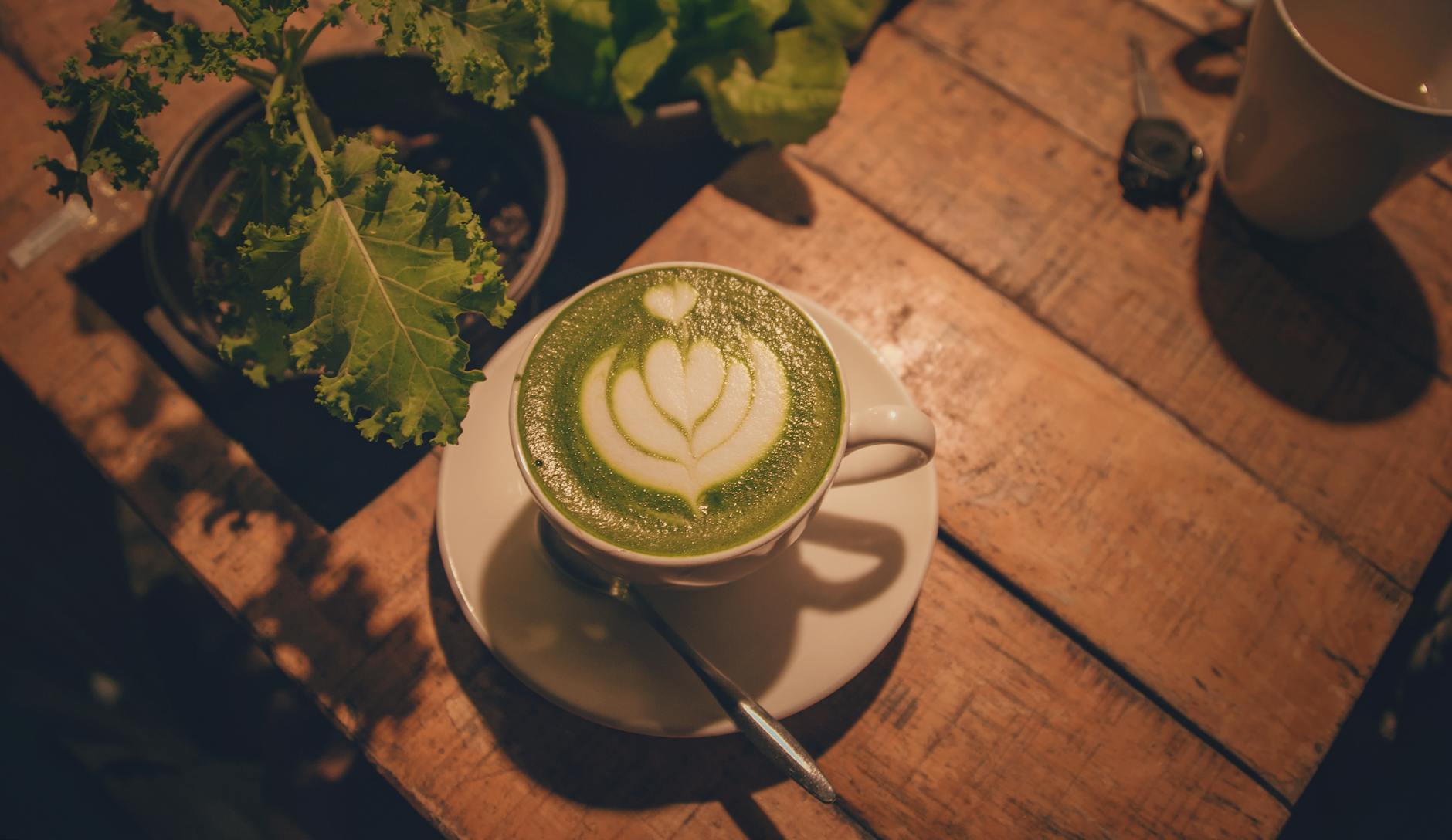
Tokyo's café scene has embraced matcha in contemporary formats: thick matcha lattes, matcha tiramisu, matcha cheesecake, and elaborate parfaits. Chains such as Nana's Green Tea and Ippodo Tea have locations across the city and are popular with international visitors.
At non-certified cafés, ask specifically: "Does this drink or dessert contain alcohol-based flavouring or pork gelatin?" Many baristas in tourist-heavy areas of Tokyo will understand the question or can check with the kitchen. Showing a printed or digital halal dietary card in Japanese is highly recommended.
For Muslim travelers in the Asakusa area — Tokyo's most visited historical district — Sankyu Halal Ramen Japanese Food Asakusa and Halal And Vegan Ramen Dattebayo! both serve in the Taito area and are popular with Muslim visitors as halal-conscious meal options nearby (confirm current certification and policy when visiting). Again, these are not matcha-specific venues, but having a trusted halal anchor restaurant near a tea district makes it easier to plan a full day out.
Search the Halal Navi app for current halal café listings in Shinjuku, Harajuku, and Asakusa, as new matcha-focused cafés with Muslim-friendly options appear regularly.
Osaka: Matcha Sweets and Halal Souvenir Shopping
Osaka has a thriving street food and sweets culture, and matcha appears in everything from soft-serve at Dotonbori stalls to matcha daifuku at department store basement food halls. The challenge in Osaka is similar to Tokyo: most vendors are not halal-certified, and ingredients in soft-serve and packaged sweets vary widely.
JAPANeid Osaka in the Nishi area is a Muslim-friendly option for travelers seeking matcha-flavoured snacks to eat or take home (confirm certification when visiting). For a full halal meal in the Namba-Dotonbori area after a day of matcha exploration, 1819 Osaka (Halal Resto) offers Japanese-style halal dining in the heart of the city, and ハラール和食みのり Halal Washoku Minori is another Muslim-friendly Japanese option nearby. Confirm current menus and certification status with each venue when visiting.

📱 Find halal restaurants, prayer rooms and Muslim-friendly places across Japan with the free Halal Navi app.
Download on the App Store · Get it on Google Play
Prayer Facilities and Muslim-Friendly Tips for Matcha Day Trips
Planning a matcha-focused day trip in Japan works best when you also map out prayer facilities in advance. Here are some stable, publicly documented options:
- Kyoto: The Islamic Center in Nakagyo Ward has a musalla (prayer space). Several department stores and cultural venues near Fushimi Inari and Arashiyama have designated quiet rooms — confirm availability when you arrive.
- Tokyo Asakusa: Senso-ji Temple area has a prayer space available for Muslim visitors at a nearby community facility — confirm current access via the Halal Navi app. Carrying a portable prayer mat is strongly recommended.
- Osaka Namba: There are prayer rooms in some shopping malls in the Dotonbori area — availability changes, so check ahead.
A portable qibla compass app on your phone will help you orient correctly in tea houses, ryokan rooms, and cafés where you may need to pray.
Female Muslim travelers should note that many traditional Japanese tea houses and some café areas involve sitting on the floor (tatami seating). Wearing comfortable abaya or modest wear that allows for floor-sitting will make the experience much more enjoyable. Staff at tea ceremony venues are generally very respectful of modest dress.
Frequently Asked Questions: Is Matcha Halal in Japan?
Is plain matcha powder halal? Yes. Pure matcha powder is made from ground green tea leaves and contains no haram ingredients. It is halal by nature.
Can Muslim travelers drink matcha lattes at Japanese cafés? Potentially, but it depends on the full recipe. Confirm whether the café uses alcohol-based vanilla or flavouring syrups, and ask about gelatin in any dessert components. Many cafés in tourist areas can accommodate the question.
Are Japanese matcha sweets (wagashi) halal? Traditional wagashi made with mochi rice, adzuki beans, sugar, and agar-agar (kanten) are generally halal-friendly. However, modern wagashi incorporating cream fillings, gelatin, or flavoured extracts may not be. Always check ingredients or look for halal certification.
What Japanese word should I use to explain halal dietary needs? The word ハラール (ha-raa-ru) is widely understood in tourist areas. You can also say 豚肉なし (pork-free) and アルコールなし (alcohol-free). Carrying a printed halal dietary card in Japanese is highly recommended.
Where can I buy halal-certified matcha snacks and souvenirs in Japan? JAPANeid Osaka in the Nishi area of Osaka is a Muslim-friendly souvenir shop that carries Japanese snacks screened with Muslim travelers in mind, including matcha-flavoured options (confirm certification when visiting). For other locations, search the Halal Navi app for current Muslim-friendly souvenir shops near your destination.
Is hojicha (roasted green tea) also halal? Yes. Plain hojicha is simply roasted green tea leaves and is halal in its pure brewed form. The same additive concerns apply when it appears as a flavouring in commercial products.
Is matcha ice cream halal in Japan? Usually not certified halal. Soft-serve and packaged matcha ice cream may contain pork gelatin or alcohol-based stabilisers. Ask the vendor or look for suitable products at Muslim-friendly shops like JAPANeid Osaka (confirm certification when visiting). Vegan matcha ice cream options at plant-based cafés are worth exploring as an alternative.
Download the Halal Navi App to Plan Your Matcha Experience in Japan
Navigating Japan's food scene as a Muslim traveler is far easier when you have a reliable tool in your pocket. The Halal Navi app helps you locate halal-certified restaurants, Muslim-friendly cafés, prayer rooms, and halal souvenir shops near wherever you are in Japan — including cities where the halal dining scene changes fast.
Whether you are planning a matcha tea ceremony in Kyoto, hunting for halal-certified matcha KitKats in Osaka, or searching for a trustworthy café in Tokyo, Halal Navi gives you up-to-date verified listings so you can explore Japan's incredible food culture with confidence.
Download the Halal Navi app now from the App Store or Google Play and start planning your halal Japan adventure today.
About this article
Written and halal-verified by Zeshan Hayat, CMO & Head Halal Auditor, Halal Navi.
Update policy: If you spot outdated information, we will review and correct it within 7 days.
Disclosure: Halal Navi receives no payment from any restaurant or hotel in exchange for inclusion, and all recommendations reflect independent editorial judgment based on Muslim-friendly criteria. Some articles contain affiliate booking links (e.g. Trip.com); if you book through one, Halal Navi may earn a small commission at no extra cost to you.
Last verified: 2026-07-01