
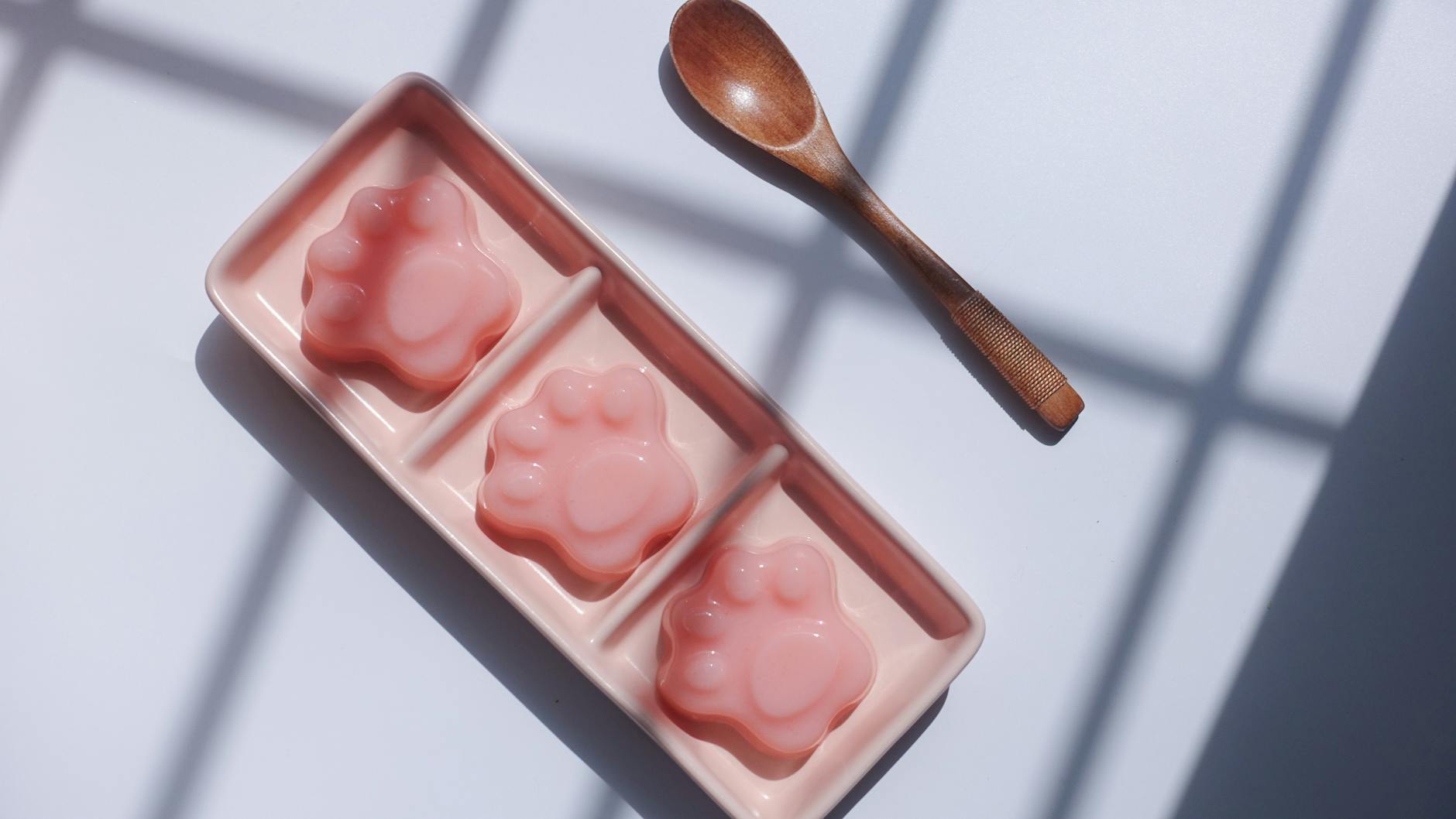
Is Konjac Jelly Halal? The Gelatin Question, Brand by Brand
Quick Answer: Konjac jelly is a jelly made with konjac flour, which comes from the corm of the konjac plant. Konjac jelly is very often suitable for Muslim consumers because its core ingredients, konjac flour, sugar, fruit juice and an acidulant, are plant-based and do not include pork-derived gelatin. The most popular brand, Orihiro, uses a plant-based konjac gelling agent and lists no gelatin in the ingredients of its current Japanese range (checked October 2026); however, Orihiro's konjac jelly is not halal certified: Orihiro's own halal page lists only some teas (certified by the Japan Islamic Culture Center), not its jellies. Always check the full ingredient list of the specific flavor you are buying, as formulations vary: some Orihiro variants contain milk, emulsifier or protein hydrolysate of unstated origin, and flavorings may use alcohol as a carrier without it being listed. When in doubt, consult a local Islamic authority.
If you have ever wandered through a Japanese convenience store or souvenir shop and spotted those colourful squeeze-pack jellies, you have probably wondered: is konjac jelly halal? For Muslim travelers exploring Japan in 2026, this is one of the most practical snack questions to answer before loading up your shopping basket. The good news is that konjac jelly, including popular brands like Orihiro, is very often suitable for Muslims, but a careful look at the ingredient list is still essential. This guide walks you through everything you need to know about konjac jelly, Japanese jelly snacks, and how to shop confidently as a Muslim traveler in Japan.
What Is Konjac Jelly and Is Konjac Jelly Halal by Default?
Konjac jelly is a chewy, low-calorie jelly snack made primarily from konjac flour: a plant-based starch extracted from the konjac root (Amorphophallus konjac), which has been cultivated in Japan for centuries. Unlike many Western gelatin-based sweets, konjac jelly does not use animal-derived gelatin, which means it avoids the core haram ingredient that disqualifies most gummy candies for Muslims.
In its most basic form, konjac jelly contains:
- Konjac flour (a plant-based gelling agent)
- Water
- Sugar or other sweeteners
- Fruit juice or flavoring
- Acidulant (labelled 酸味料; the exact type is usually not stated)
- Gelling agent (polysaccharide thickener, 増粘多糖類)
- Potassium chloride (a mineral salt used to firm the jelly)
None of these base ingredients are inherently haram. This makes standard konjac jelly a naturally Muslim-friendly snack option in most cases. However, the key phrase is "in most cases": flavoring additives, alcohol-based colorings, or cross-contamination in facilities that also handle pork-derived products can affect the status of specific products. Always read the full ingredient label or look for verified halal certification before purchasing.
Is Orihiro Konjac Jelly Halal? What Muslim Travelers Should Know
Orihiro is one of the best-known konjac jelly brands in Japan and also publishes English and Chinese product pages for overseas buyers. Their squeeze-pack jellies, known as Purunto Konjac Jelly in Japan, come in a wide variety of fruit flavors including grape, white peach, apple, and muscat, and are a firm favorite among tourists.
As of the time of writing, Orihiro konjac jelly products are not officially certified halal by JAKIM, MUIS, or other recognised Islamic certification bodies. However, the ingredient and allergen lists Orihiro publishes for its current konjac jellies show no gelatin and no pork. No alcohol is listed, but every variant contains flavoring (香料), whose carrier is not disclosed. The primary gelling agent is konjac: plant-based and considered permissible by the majority of Islamic scholars.
Because the product is not halal certified, you should:
- Check the ingredient list on the specific flavor you are purchasing, as formulas can vary.
- Look for any notation about shared manufacturing facilities.
- When in doubt, contact Orihiro directly or consult a local Islamic authority.

Which Japanese Jelly Snack Ingredients Are Haram to Watch Out For?
Not all Japanese jelly snacks are as straightforward as plain konjac jelly. Here are the key ingredients Muslim travelers should scan for on packaging:
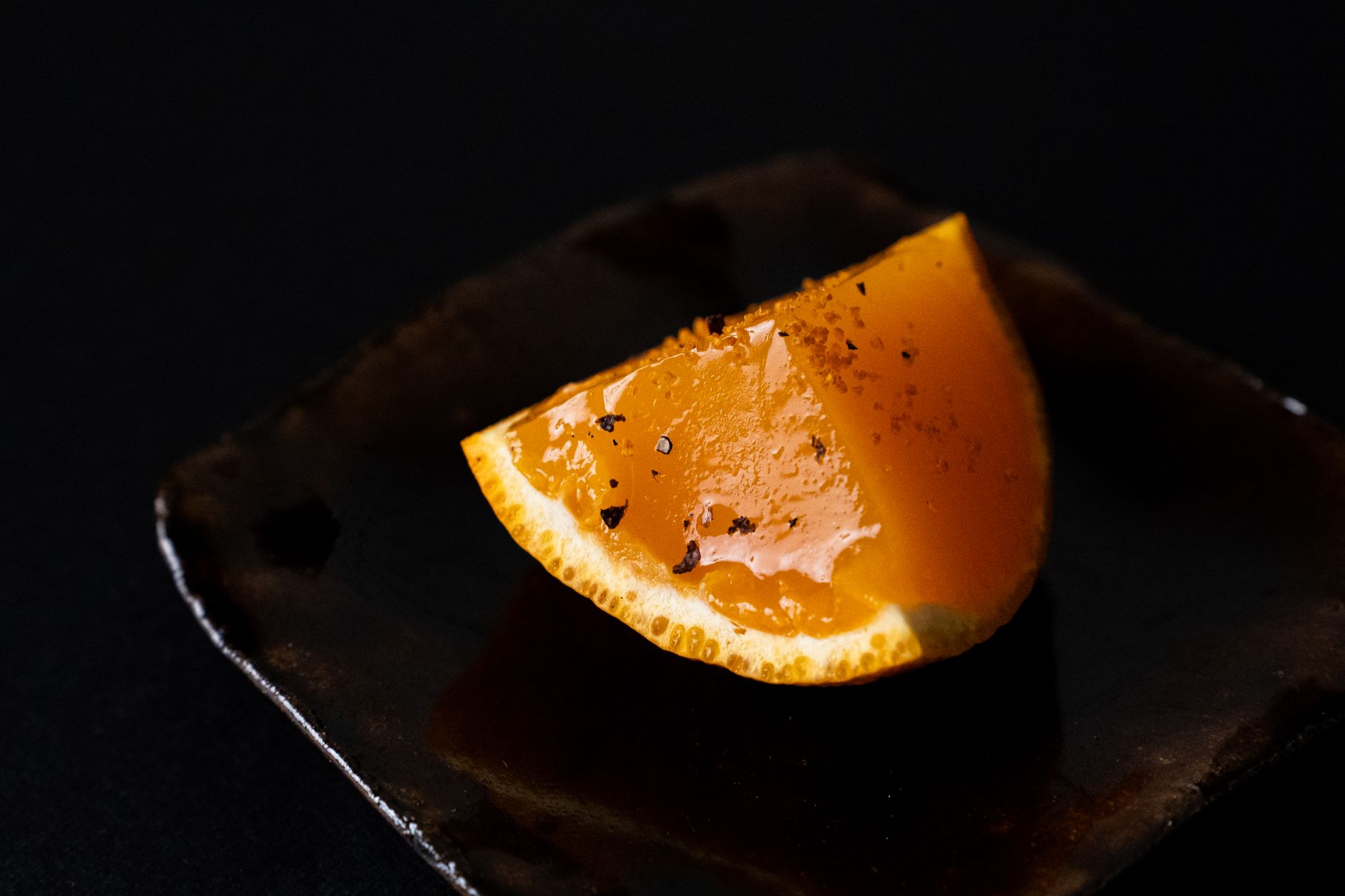
Gelatin (ゼラチン / Zerachin): The most common concern. Gelatin can come from pork, beef or fish, and Japanese labels often just say ゼラチン without the source. If you see ゼラチン on the label without a halal or fish-based clarification, treat it with caution.
Alcohol-based flavorings: Some jelly products use alcohol as a carrier for artificial flavoring. While trace amounts are debated among scholars, those following stricter interpretations should look for "アルコール" (alcohol) or "洋酒" (Western liquor) on ingredient lists, and note that alcohol used only as a flavoring carrier may not be listed at all.
Cochineal / Carmine dye (コチニール色素): A red coloring derived from insects; scholarly opinions on it differ, so check with your own authority. Found in some strawberry and berry-flavored products.
Emulsifiers: Most are plant-derived, but some can be animal-sourced. Where the origin is unclear, check with the manufacturer.
The safest approach when buying Japanese jelly snacks is to prioritize products with clear plant-based ingredient lists, or seek out shops that specialise in halal-conscious Japanese souvenirs.
Where to Buy Halal-Verified Japanese Snacks and Souvenirs in Japan
Finding a reliable halal snack source in Japan is easier than it used to be, especially with dedicated Muslim-friendly souvenir shops now operating in major cities.
In Osaka, JAPANeid Osaka (located in the Nishi area) is a standout destination for Muslim travelers specifically looking for halal-conscious and Muslim-friendly Japanese souvenirs and snack products. The shop says it selects Japanese food items with Muslim shoppers in mind. Its products are not all halal-certified, so check the halal logo or the ingredient list of each item, and verify current stock directly with the shop, as product ranges can change seasonally.
For travelers in other regions, search the Halal Navi app for current listings in this area: the app regularly updates its database with Muslim-friendly snack shops and souvenir stores across Japan.
Konjac Jelly and Prayer-Friendly Travel: Staying Comfortable on Japanese Snack Shopping Trips
Muslim travelers in Japan often combine snack shopping with sightseeing, so it helps to know which shopping districts offer prayer facilities nearby.
In Tokyo's Asakusa area, home to Senso-ji Temple and a dense cluster of souvenir shops, use the Halal Navi app to find the nearest prayer space. From Tokyo, the qibla points west-northwest (approximately 293 degrees). For a meal in the area, Halal And Vegan Ramen Dattebayo! serves halal ramen: confirm current arrangements directly when you visit.
In Osaka's Namba area, use the Halal Navi app to find nearby prayer spaces (Osaka Ibaraki Mosque, often mentioned online, is in Ibaraki City, not Namba). Shops like JAPANeid Osaka in the Nishi area are close enough to the broader Osaka transport network to plan prayer stops alongside your snack-shopping itinerary.
Narita Airport has prayer rooms in Terminals 1, 2 and 3; check the airport's website for locations, and confirm ahead whether separate space for women is available, as facilities vary.
📱 Find halal restaurants, prayer rooms and Muslim-friendly places across Japan with the free Halal Navi app.
Download on the App Store · Get it on Google Play
Are Other Popular Japanese Jelly Brands Halal? A Quick Brand Overview
Beyond Orihiro, several other Japanese jelly brands are popular in convenience stores and snack shops. Here is a brief orientation:
Tarami (たらみ): Known for fruit jelly cups, Tarami states that it does not use gelatin; its jellies are set with polysaccharide thickeners, and some also contain agar. However, several Tarami fruit jellies list 洋酒 (Western liquor) in their ingredients, so check each product individually.
Meiji and Morinaga jelly products: These mainstream confectionery brands produce various jelly candies and pouches. Some, such as Meiji's Kaju Gummy, list gelatin (ゼラチン) without stating its animal source, so treat them with caution. Read labels carefully.
Agar (寒天 / Kanten) jellies: Traditional Japanese yokan and kanten-based jellies found in wagashi (Japanese sweets) shops are almost always plant-based, using agar derived from red algae. These are typically the safest option for Muslim travelers looking for a more traditional Japanese sweet experience, provided no alcohol-based flavorings are added.
If you are ever unsure at a convenience store, the safest strategy is: look for konjac or agar as the gelling agent, and avoid any product listing ゼラチン (gelatin) without a clear halal or fish-origin note.
Halal Snack Tips for Muslim Travelers Visiting Japan in 2026
Shopping for halal snacks in Japan is increasingly manageable, especially as more retailers cater to the growing Muslim visitor demographic. A few practical tips:
- Prioritize shops that specifically curate Muslim-friendly or halal-conscious product ranges, such as JAPANeid Osaka.
- Use the Halal Navi app to locate halal restaurants and snack shops near your current location: it covers cities across Japan and Southeast Asia.
- At airport duty-free shops, look for snacks labeled for the Malaysian or Indonesian markets, and check for a halal logo that names the certifying body.
- When buying konjac jelly specifically, Orihiro's current ingredient lists show no gelatin, but the product is not halal certified and some variants contain milk or ingredients of unstated origin: confirm the specific flavor's ingredients each time, as formulations can change.
- Pack a few verified halal snacks from home for longer travel days when finding suitable food options may be harder.
Frequently Asked Questions: Konjac Jelly, Orihiro, and Japanese Snacks for Muslim Travelers
Is konjac jelly halal? In most cases, yes. Konjac jelly is made primarily from konjac flour, a plant-based ingredient, and does not contain pork-derived gelatin. The core formulation is considered halal-friendly by most Islamic scholars. However, always check the full ingredient list of each specific product for additional additives such as flavorings, colorings, or emulsifiers that could affect its status.
Is Orihiro konjac jelly safe for Muslims to eat? Orihiro's standard konjac jelly products do not contain pork-derived gelatin and use a plant-based konjac gelling agent. As of October 2026, Orihiro's konjac jellies are not halal certified (Orihiro's own halal list covers only some teas). Check the specific flavor's label each time before purchasing, and confirm with your local religious authority if you have any doubts.
What is the difference between konjac jelly and gelatin jelly for Muslim consumers? Gelatin-based jellies commonly use animal-derived gelatin, frequently pork-based in Japan, which is haram. Konjac jelly uses a plant-based gelling agent derived from the konjac root, making it a far more suitable option for Muslim consumers. Agar-based jellies (using seaweed extract) are another plant-based alternative to watch for.
What ingredient should I look for on Japanese jelly packaging to confirm it is halal-friendly? Look for 蒟蒻 or こんにゃく (konjac) or 寒天 (kanten/agar) as the gelling agent. Avoid products listing ゼラチン (gelatin) without clarification of its source, コチニール色素 (cochineal dye), or アルコール (alcohol) in the ingredients, unless you are comfortable with the scholarly position on those specific ingredients.
Where can I buy halal-verified Japanese snacks and souvenirs? In Osaka, JAPANeid Osaka (Nishi area) is a well-known Muslim-friendly souvenir and snack shop. For other cities, use the Halal Navi app to search for current halal snack and souvenir shops near your location: the app covers multiple cities across Japan.
Can I bring konjac jelly snacks home from Japan? Yes, in most cases. Konjac jelly products like Orihiro are shelf-stable and popular as souvenirs. Check the import regulations of your home country first: some places restrict konjac jelly (for example, EU rules do not allow konjac (E425) in jelly confectionery because of choking risk).
Are there halal restaurants near major snack shopping areas in Japan? Yes. In Asakusa, Tokyo, options like Halal And Vegan Ramen Dattebayo! are popular with Muslim visitors: confirm current halal policies directly with each restaurant before visiting. In Osaka's Namba area, Best Halal Ramen Marhaba! is certified for its full menu by Halal Navi, the operator of this site (certificate HN-MRB-2026-01A, valid until 19 July 2027).
Find Halal Snacks and Restaurants in Japan with the Halal Navi App
Navigating Japan's food scene as a Muslim traveler is so much easier when you have a reliable tool in your pocket. The Halal Navi app helps you locate halal-certified and Muslim-friendly restaurants, snack shops, and accommodations across Japan and Southeast Asia: all in one place, with regularly updated listings.
Whether you are hunting for the best konjac jelly brands at a souvenir shop in Osaka, looking for a halal ramen spot in Tokyo after a long day of sightseeing, or just need to find the nearest prayer facility, Halal Navi has you covered.
Download the Halal Navi app today from the App Store or Google Play and travel Japan with confidence in 2026.
About this article
Written and halal-verified by Zeshan Hayat, CMO & Head Halal Auditor, Halal Navi.
Update policy: If you spot outdated information, we will review and correct it within 7 days.
Disclosure: Halal Navi receives no payment from any restaurant or hotel in exchange for inclusion, and all recommendations reflect independent editorial judgment based on Muslim-friendly criteria. Some articles contain affiliate booking links (e.g. Trip.com); if you book through one, Halal Navi may earn a small commission at no extra cost to you.
Last verified: 2026-10-21
🛒 Once you know what is safe to buy, the next question is where. We list halal grocery stores and halal-friendly supermarkets across Japan.
Find halal groceries in Japan →


