Best Halal Sushi in Tokyo 2026: Certified and Muslim-Friendly
Quick Answer: Halal sushi is available in Tokyo, with a growing number of dedicated and Muslim-friendly options across several neighbourhoods, though certification status varies and should always be confirmed directly with each venue before visiting. In Shinjuku, SANGA.TOKYO Halal Sushi & Wagyu Restaurant Kagurazaka is described as explicitly targeting Muslim diners with an omakase-style halal sushi and A5 wagyu menu, and requires advance reservation. In Asakusa, Asakusa Sushi Ken and TokyoSushiBowl are reported as Muslim-friendly options — verify current halal policies directly. Sushizanmai is not a halal-certified restaurant. A key concern across all venues is sushi rice, which traditionally contains mirin (alcohol); halal restaurants substitute halal-compliant vinegar seasonings. Always ask specifically about mirin, sake in sauces, and shared utensils before ordering.
Finding halal sushi in Tokyo used to feel like searching for a needle in a haystack. In 2026, that's changing fast. A growing number of dedicated halal sushi restaurants, Muslim-friendly omakase counters, and halal-conscious dining rooms have opened across the city — serving everything from classic nigiri and temaki to premium wagyu sushi rolls. Whether you're a first-time visitor to Japan or a seasoned Muslim traveller, this guide walks you through the best options neighbourhood by neighbourhood, with honest notes on certification status, prayer facilities, and what to expect at each spot.
What Makes Sushi Halal — and Why It Matters in Tokyo
Traditional sushi seems simple — fish and rice — but the details matter for Muslim diners. Standard sushi rice is often seasoned with mirin (a sweet rice wine containing alcohol), and some sushi restaurants serve sake alongside meals, with shared preparation surfaces creating cross-contamination risks. Truly halal sushi restaurants address all of these points: they replace mirin with halal-compliant vinegar seasonings, ensure no pork-derived ingredients appear anywhere on the menu, and ideally hold a recognised halal certification or operate under a strict Muslim-friendly policy.
When researching halal sushi in Tokyo, look for:
- Halal certification from a Japan-based certifying body (e.g. NPO Japan Halal Association, MHC Japan) — check current status directly with the venue, as certifications can lapse.
- A clear no-alcohol, no-pork policy (not just "we can remove pork on request").
- Staff who understand halal requirements and can answer questions about ingredients.
- Proximity to a mosque or prayer space, especially for lunchtime visits where Dhuhr prayer may fall during your meal.
With those benchmarks in mind, here are the best areas and venues to explore.
Halal Sushi in Asakusa: Traditional Vibes, Muslim-Friendly Options
Asakusa is one of Tokyo's most tourist-friendly neighbourhoods and increasingly one of the best areas for Muslim diners. The area around Senso-ji Temple sees high volumes of Muslim visitors from Southeast Asia and the Middle East, which has encouraged restaurants here to adopt clearer halal policies.
Asakusa Sushi Ken, located in the Taito ward, is a well-known option for Muslim travellers seeking a traditional sushi experience in the Asakusa area. The restaurant advertises halal-conscious menu options and has been popular with Muslim visitors — please confirm current certification status and alcohol policy directly before visiting.
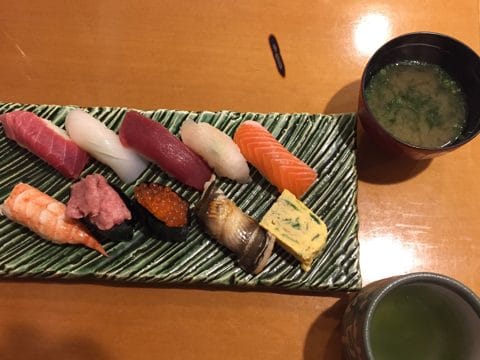
Also in the Asakusa-Ueno corridor, TokyoSushiBowl (Taito City) offers sushi bowl-style dishes reported as Muslim-friendly by visitors — a practical, casual option if you want the flavours of sushi without a formal sit-down experience. Verify current halal policy when visiting.
For a quick grab between sightseeing, 7-Eleven Asakusa Kaminarimon mae is worth noting — some convenience store onigiri and sushi items are clearly labelled, though halal options vary. Always read labels carefully or consult staff.
Nearby prayer facilities: The Tokyo Camii in Yoyogi is the city's largest mosque, though it requires a commute from Asakusa. Smaller prayer spaces exist in the Ueno area — search the Halal Navi app for current listings near Asakusa.
Halal Sushi in Roppongi and Minato: Upscale Dining for Muslim Travellers
Roppongi and the broader Minato ward are home to Tokyo's international dining scene, making them a natural fit for halal-friendly restaurants targeting a cosmopolitan clientele.
Dedicated, verifiable sushi carrying certification in the Roppongi-Azabu area is limited — we could not independently confirm a halal sushi venue here for 2026, so treat any listing with caution and confirm directly before relying on it.
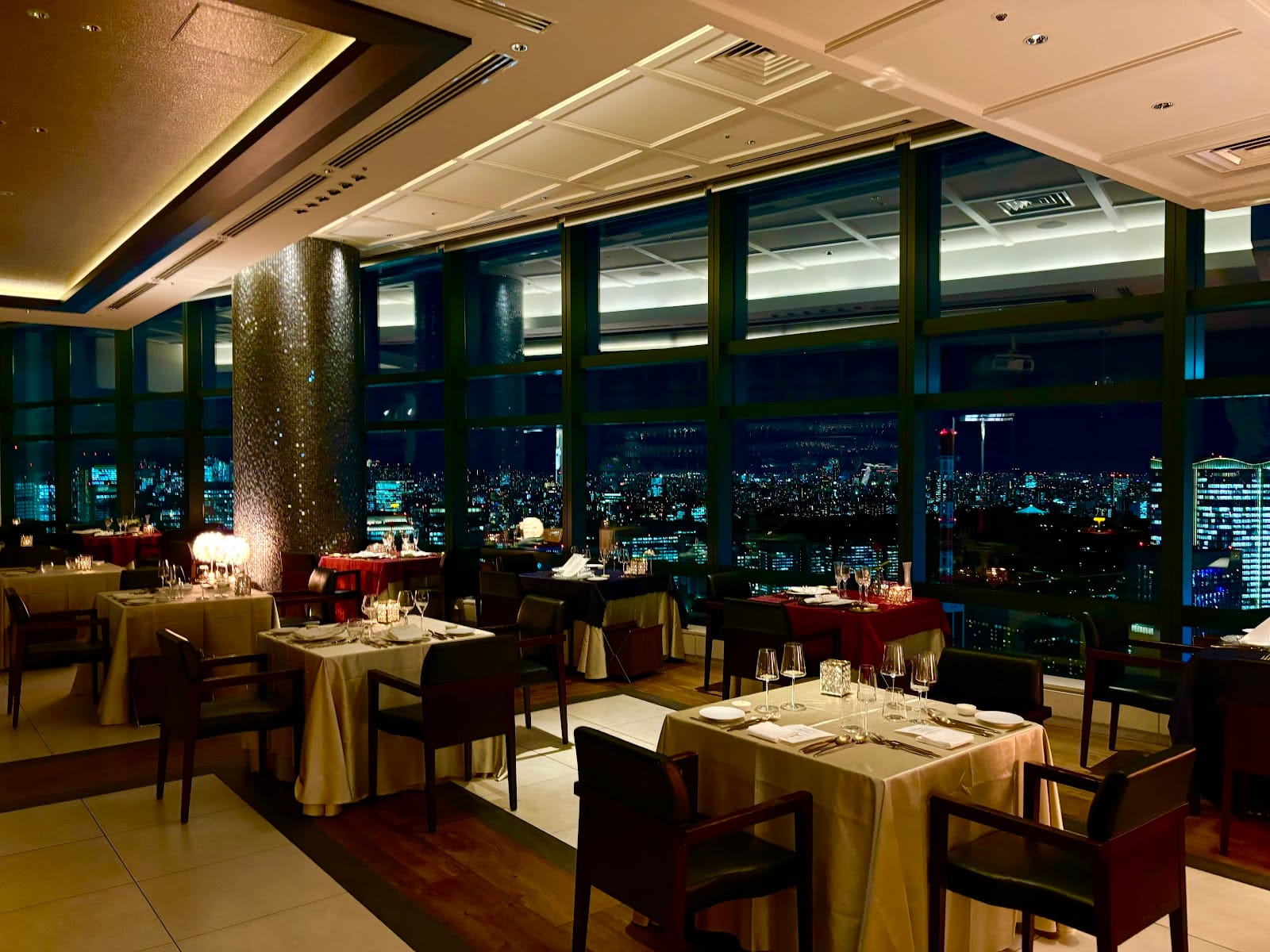
For travellers in Minato ward who want a broader halal dining evening, note that AARYAS is a nearby halal restaurant for non-sushi options, giving you flexibility if sushi availability is limited on the day.
Female-friendly note: Roppongi restaurants tend to have English-speaking staff and are generally comfortable solo dining environments for Muslim women. Smart-casual dress is appropriate for most of the venues in this area.
Halal Sushi in Shinjuku: Central, Convenient, and Growing Fast
Shinjuku is arguably the most convenient neighbourhood for halal food in Tokyo in 2026, thanks to its large concentration of Muslim-friendly restaurants, proximity to Shinjuku Mosque (Tokyo Mosque sub-offices and prayer spaces), and superb transport links.
For a premium experience, SANGA.TOKYO Halal Sushi & Wagyu Restaurant Kagurazaka (Shinjuku City) stands out as one of the most elevated halal sushi offerings in Tokyo. This reservation-required venue combines halal sushi with A5 wagyu in an omakase-style setting — a strong choice for special occasions. The restaurant explicitly targets Muslim diners and requires advance booking; confirm current certification status when making your reservation.
Shinjuku is also walking distance from the Shinjuku area mosques and prayer rooms — use the Halal Navi app to locate the nearest prayer space to your chosen restaurant.
Halal Sushi in Ginza and Central Tokyo: Sushizanmai and the Tsukiji Connection
No guide to halal sushi in Tokyo would be complete without mentioning the Ginza-Tsukiji corridor, home to some of Japan's most famous sushi culture.
Sushizanmai, the well-known 24-hour sushi chain headquartered in Chuo ward (near Tsukiji), is not certified and is not a halal restaurant. Some Muslim travellers still visit it with that understood — but chain sushi in Japan rarely carries certification, and mirin use in rice is common industry practice. If you visit Sushizanmai, directly ask staff about alcohol-containing ingredients in the rice seasoning and sauces before ordering. It is best described as a popular sushi chain that some Muslim travellers visit with awareness of its limitations — it is not a dedicated halal venue.
For certified halal dining in the Ginza area, search the Halal Navi app for current listings, as the situation evolves frequently.
📱 Find halal restaurants, prayer rooms and Muslim-friendly places across Japan with the free Halal Navi app.
Download on the App Store · Get it on Google Play
Halal Sushi in Ikebukuro: Family-Friendly Finds
Ikebukuro is a lively district popular with families and younger Muslim travellers, and it has a solid and growing halal food scene.
Dedicated halal sushi in Ikebukuro is hard to verify independently for 2026, so confirm any sushi venue's halal policy directly before dining. For reliable halal meals in the area, Aliya Halal Restaurant, Ikebukuro and AIN SOPH. Soar IKEBUKURO offer non-sushi halal dining, making Ikebukuro a versatile neighbourhood for a full halal food day out.
Practical Tips for Muslim Travellers Eating Halal Sushi in Tokyo
Beyond knowing which restaurants to visit, a few practical habits will make your halal sushi experience smoother:
- Always call or message ahead to confirm current halal certification and alcohol-free rice preparation — policies and certifications change.
- Use the qibla direction from your phone's compass or the Halal Navi app to orient yourself quickly in any restaurant or hotel room. In Tokyo, qibla faces roughly west-northwest (approximately 293°).
- Many halal sushi restaurants in Tokyo are small and popular — reservations are strongly recommended, especially for dinner and at reservation-required venues like SANGA.TOKYO Halal Sushi & Wagyu Restaurant Kagurazaka.
- If a restaurant does not hold formal halal certification but advertises a Muslim-friendly menu, ask specifically about: (1) mirin in sushi rice, (2) sake in marinades or sauces, (3) shared cooking utensils with non-halal proteins.
- For prayer breaks, plan your dining itinerary around mosque locations. The Halal Navi app shows nearby prayer spaces in real time.
🛏 Staying in Tokyo? We list 18 places to stay there, and each one shows how many halal restaurants are within walking distance.
See places to stay in Tokyo →
Frequently Asked Questions About Halal Sushi in Tokyo
Is there certified halal sushi available in Tokyo?
Yes. Several restaurants in Tokyo specifically cater to Muslim diners with halal-certified or halal-conscious sushi menus. Venues such as SANGA.TOKYO Halal Sushi & Wagyu Restaurant Kagurazaka in Shinjuku City are among those explicitly targeting Muslim travellers. Always confirm current certification status directly with the venue, as certifications can change.
Is sushi rice halal?
Traditional sushi rice is typically seasoned with mirin, a sweet cooking wine that contains alcohol, making it non-halal by most scholarly standards. Halal sushi restaurants replace mirin with halal-certified rice vinegar and sugar. Always ask your restaurant specifically whether their sushi rice is prepared without alcohol-containing ingredients.
Can I find halal sushi near Asakusa and Senso-ji Temple?
Yes. Asakusa Sushi Ken and TokyoSushiBowl are both located in the Taito ward (Asakusa-Ueno area) and are reported as Muslim-friendly options. Confirm current halal policies directly before visiting.
Are there halal sushi options in Shinjuku?
Yes. SANGA.TOKYO Halal Sushi & Wagyu Restaurant Kagurazaka (Shinjuku City) is a premium, reservation-required venue combining halal sushi and A5 wagyu — ideal for a special occasion dinner. It explicitly targets Muslim diners; confirm current certification when booking.
Where is the nearest mosque or prayer room to Tokyo's sushi districts?
Tokyo Camii in Yoyogi (Shibuya ward) is the city's largest and most accessible mosque. Shinjuku and Roppongi both have prayer spaces within reach. For real-time, location-based prayer room listings, use the Halal Navi app.
Is Sushizanmai halal?
Sushizanmai is not a dedicated halal restaurant and holds no halal certification as of publication. Some Muslim travellers visit with awareness of the limitations (e.g. possible mirin use in rice). If you choose to visit, confirm ingredient details with staff before ordering.
Do halal sushi restaurants in Tokyo serve alcohol?
Dedicated halal sushi venues typically operate alcohol-free policies. However, some restaurants that offer "Muslim-friendly" menus may still serve alcohol to other tables. Always confirm the restaurant's alcohol policy when booking — a fully alcohol-free environment is the gold standard for many Muslim diners.
Discover Halal Sushi in Tokyo with the Halal Navi App
Tokyo's halal sushi scene is growing quickly, and new venues open (and certifications update) faster than any static guide can track. The best way to stay current is to use the Halal Navi app — your dedicated Muslim travel companion for Japan and Southeast Asia.
With Halal Navi you can:
- Search halal and Muslim-friendly restaurants by neighbourhood, cuisine type, and certification level
- Find the nearest mosque, prayer room, and qibla direction wherever you are in Tokyo
- Read verified traveller reviews and check real-time updates on halal policies
- Save your favourite sushi spots and plan your full itinerary in one place
Download the Halal Navi app free from the App Store or Google Play and make every meal in Tokyo a confident, worry-free experience. Japan's best halal sushi is waiting — let Halal Navi help you find it.
Muslim-friendly stays in Tokyo
All of these are listed in the Halal Navi database as Muslim-friendly. What each property declares is different, so the note is what the property itself states — confirm anything that matters to you when you book.
- Agora Place Asakusa — Muslim-friendly facilities declared by the hotel: Staff trained in Muslim hospitality. See the halal details Halal food within walking distance: 7 places (6 certified) · nearest 167m. HALAL WAGYU SUKIYAKI HALRA Asakusa 167m · Menya Honolu Asakusa - Halal ramen 206m · HALAL WAGYU RAMEN SHINJUKU-TEI Asakusa Tokyo 314m.
- HOTEL Grand Star TATEISHI SEVEN — Muslim-friendly facilities declared by the hotel: Separate halal cookware available. See the halal details
- HOTEL Grand Star Tokyo — Muslim-friendly facilities declared by the property: separate halal cookware, a qibla direction indicator, a prayer mat and information on halal food nearby. See the halal details
About this article
Author: Aisha Rahman, Halal Navi Editorial Team. Aisha Rahman is a pen name used by the Halal Navi editorial team to maintain consistency across our halal verification reporting. Editorial responsibility is held collectively by our Halal Verification Team.
Reviewer: Halal-reviewed by Zeshan Hayat (Lead Halal Auditor, Halal Navi / Founder, HHAJ). Zeshan holds ISO 9001:2015 Internal Auditor and ISO 19011 Auditor credentials. See our editorial standards for the full review process.
Update policy: We re-verify every claim in this article quarterly. If you spot outdated information, we will review and correct it within 7 days.
Disclosure: Halal Navi receives no payment from any restaurant or hotel in exchange for inclusion, and all recommendations reflect independent editorial judgment based on Muslim-friendly criteria. Some articles contain affiliate booking links (e.g. Trip.com); if you book through one, Halal Navi may earn a small commission at no extra cost to you.
Last verified: 2026-08-03